
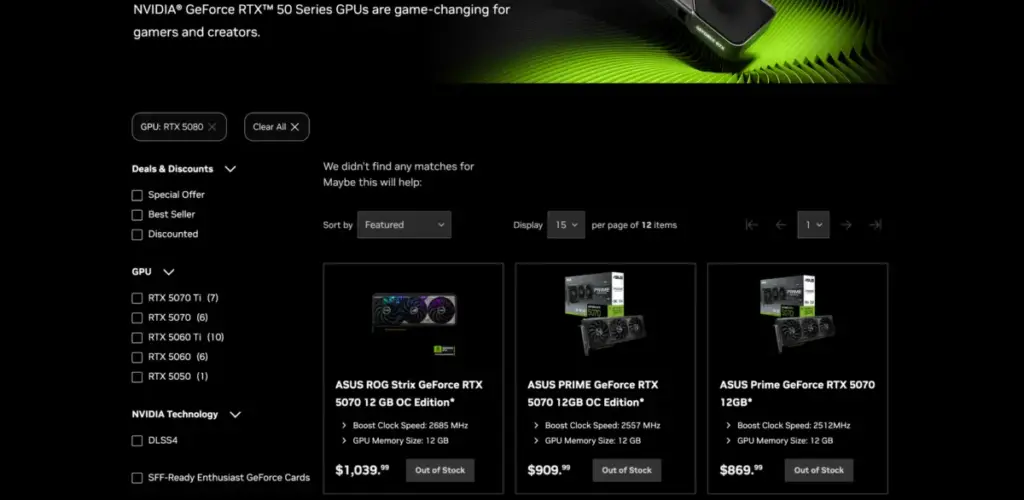
The technology industry stands on the precipice of another major shift in the graphics processing landscape as NVIDIA prepares to unveil its next generation of consumer GPUs. While the "halo" product, the GeForce RTX 5090, often captures the lion’s share of headlines for its boundary-pushing specifications, it is the GeForce RTX 5080 that many enthusiasts and professional creators are watching with the keenest interest. Positioned as the high-end workhorse of the upcoming Blackwell architecture, the RTX 5080 is expected to define the standard for 4K gaming and accelerated AI workloads for the next several years.
The transition from the current Ada Lovelace architecture to Blackwell represents more than just a routine incremental update. For NVIDIA, Blackwell is a unified effort to bridge the gap between its world-leading data center AI hardware and its consumer-facing gaming products. As rumors and leaked specifications begin to coalesce, a picture is emerging of a graphics card that seeks to balance extreme performance with the evolving demands of modern software, particularly in the realms of real-time ray tracing and generative AI.
The Blackwell Foundation and the GB203 Silicon
At the heart of the GeForce RTX 5080 lies the rumored GB203 GPU, a chip designed specifically to cater to the high-end enthusiast market. Unlike the flagship GB202, which is expected to power the RTX 5090 with a massive, near-monolithic die, the GB203 is anticipated to be a more streamlined, efficient piece of silicon. This distinction is crucial for understanding the performance tiering NVIDIA is likely to implement.
Historically, the "80-class" cards have served as the bridge between mainstream affordability and the "money-is-no-object" performance of the "90-class." With the Blackwell generation, NVIDIA appears to be doubling down on architectural efficiency. Built on a refined custom process node from TSMC—likely a specialized version of the 4N or 5nm process optimized for high-performance computing—the Blackwell chips are expected to feature a significantly higher transistor density. This allows for more CUDA cores, larger L2 caches, and more robust Ray Tracing (RT) and Tensor cores within a similar physical footprint.
The architectural improvements in Blackwell aren’t just about raw core counts. Analysts suggest that NVIDIA has overhauled the internal scheduling and execution units to better handle the asynchronous nature of modern game engines. By improving the way the GPU manages simultaneous compute and graphics tasks, the RTX 5080 could see substantial gains in frame rates even in scenarios where the CPU might otherwise become a bottleneck.
The Leap to GDDR7 Memory Technology
Perhaps the most significant hardware advancement coming with the RTX 5080 is the transition to GDDR7 memory. Since the launch of the RTX 30-series, NVIDIA has relied heavily on GDDR6X, a proprietary high-speed memory co-developed with Micron. However, as resolutions push toward 8K and textures become increasingly complex due to AI-driven asset generation, the industry has hit the limits of what GDDR6X can provide in terms of bandwidth and power efficiency.
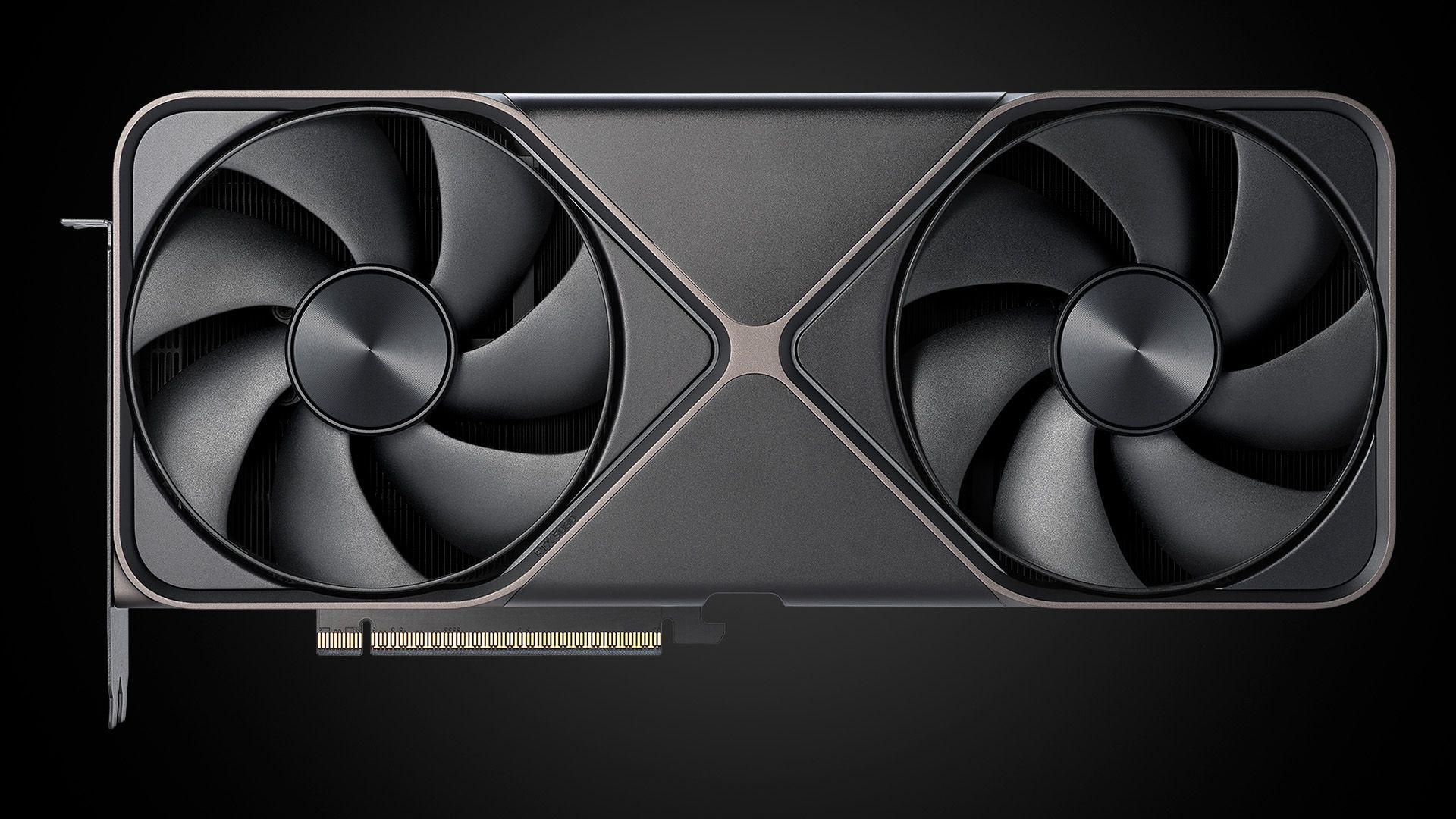
GDDR7 represents a paradigm shift in memory technology. By utilizing PAM3 (Pulse Amplitude Modulation) signaling, GDDR7 can transmit more data per clock cycle than the PAM4 or NRZ signaling used in previous generations. For the RTX 5080, this likely means a jump to memory speeds of 28Gbps or even 32Gbps. Even if NVIDIA chooses to maintain a 256-bit memory bus for the 5080—a point of much discussion among hardware trackers—the sheer speed of GDDR7 would result in a massive increase in total memory bandwidth compared to the RTX 4080.
This bandwidth is vital for more than just high-resolution textures. Modern graphics techniques, such as Path Tracing, require constant, high-speed access to massive amounts of data regarding light rays and geometry. By widening the "memory pipe," the RTX 5080 can sustain these heavy workloads without the stuttering or frame-time variances that can plague cards with slower memory subsystems.
Performance Expectations and the Market Gap
One of the most persistent topics of debate in the hardware community is where the RTX 5080 will land on the performance charts relative to the current king, the RTX 4090. If historical trends hold, NVIDIA typically aims for the new "80-class" card to match or slightly exceed the performance of the previous generation’s flagship. However, the gap between the RTX 4080 and the RTX 4090 was notably wide, leading to questions about how NVIDIA will segment the 50-series.
Leaked specifications suggest that the RTX 5080 may feature roughly half the core count of the RTX 5090. If true, this would create a significant performance delta between the two top-tier cards. Nevertheless, the architectural gains of Blackwell mean that the 5080 could still offer a transformative experience for those upgrading from the 30-series or even the standard 4080. The focus for the 5080 appears to be on delivering a "perfect" 4K gaming experience—one where 144Hz or even 240Hz refresh rates are achievable in modern AAA titles with full ray tracing enabled.
Furthermore, the RTX 5080 will likely be the primary showcase for the next iteration of NVIDIA’s Deep Learning Super Sampling (DLSS). While DLSS 3 introduced Frame Generation, there is speculation that Blackwell will usher in a new version of the technology that leverages the improved Tensor cores to further enhance image reconstruction and perhaps even introduce AI-driven physics or animation.
Power Delivery and Thermal Management
With great performance comes the inevitable challenge of power consumption. The RTX 40-series saw the introduction of the 12VHPWR connector, which was met with some controversy due to reports of melting cables when not properly seated. For the RTX 50-series, NVIDIA is expected to utilize the refined 12V-2×6 power connector. This updated standard features shorter sensing pins to ensure that the GPU will not draw full power unless the cable is fully and securely inserted, addressing the safety concerns of the previous design.
Rumors regarding the Total Graphics Power (TGP) of the RTX 5080 suggest a range between 320W and 400W. While this is a substantial amount of power, the efficiency of the Blackwell architecture means that the performance-per-watt ratio should still see a healthy improvement. For consumers, this means that while the card may require a high-wattage power supply (likely 850W or higher), the actual work performed for every watt of electricity consumed will be higher than ever before.
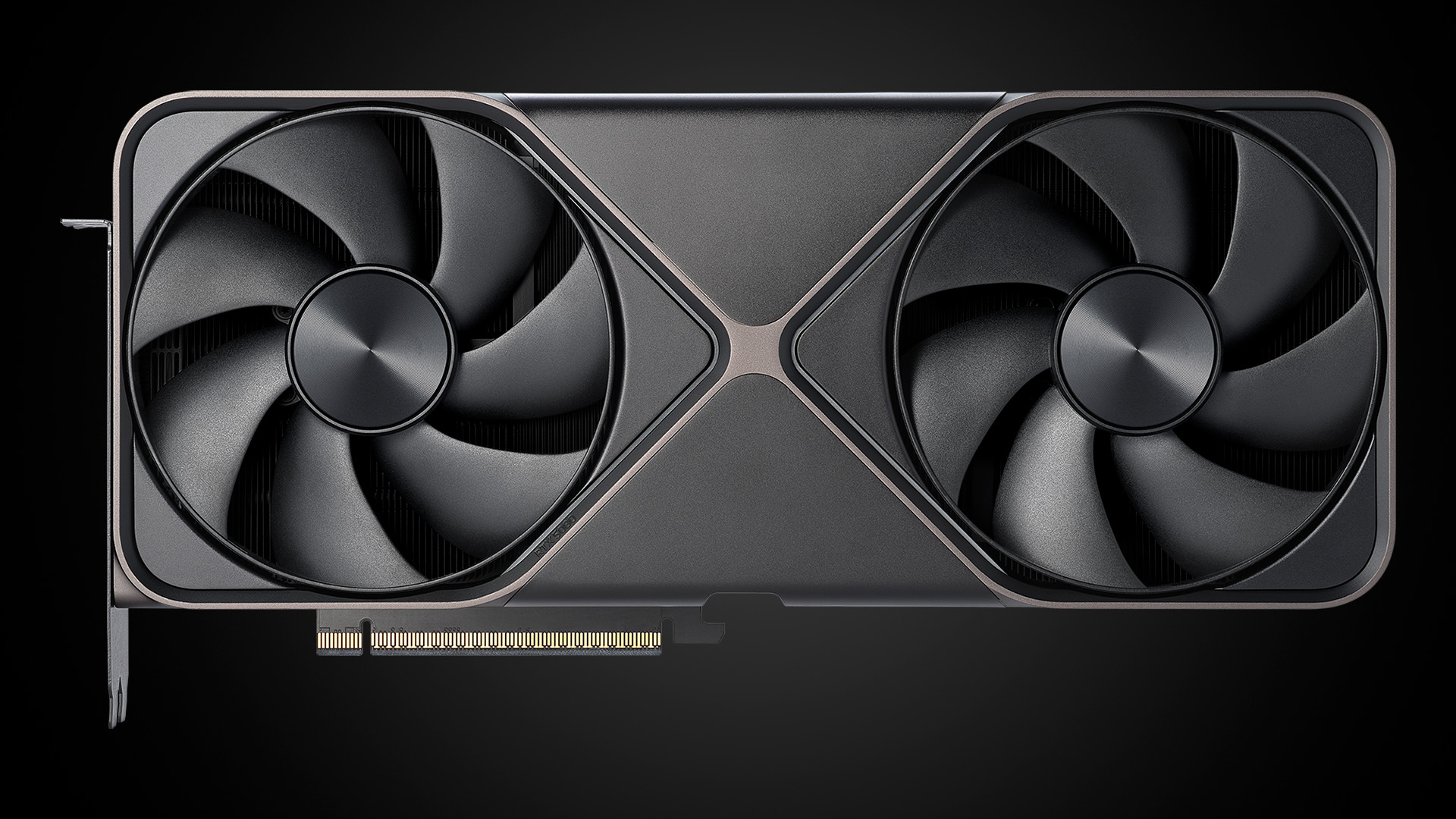
Thermal management will also be a priority for NVIDIA’s partners. Given the power targets, we can expect to see massive triple-slot or even quad-slot cooling solutions from brands like ASUS, MSI, and Gigabyte. NVIDIA’s own Founders Edition is rumored to continue the flow-through design that has been successful in previous generations, potentially with further refinements to the fin density and heat pipe arrangement to keep the high-speed GDDR7 memory cool.
The Broader Competitive Landscape
The launch of the RTX 5080 does not happen in a vacuum. The GPU market is currently in a state of flux. AMD, NVIDIA’s primary rival, is rumored to be pivoting its strategy with the upcoming RDNA 4 architecture, focusing more on the mid-range and upper-mid-range segments rather than competing directly for the ultra-enthusiast crown. If AMD indeed cedes the top-tier market to NVIDIA, the RTX 5080 could find itself in a unique position where its primary competition is not a rival brand, but its own predecessor and the flagship 5090.
Intel also remains a wild card with its Battlemage architecture. While Intel is still establishing its footing in the discrete GPU market, any pressure they can apply in the mid-range could force NVIDIA to be more aggressive with the pricing and features of the RTX 5080 and 5070.
However, NVIDIA’s greatest advantage remains its software ecosystem. From the Omniverse platform for creators to the CUDA toolkit for researchers, and the suite of "Broadcast" and "Canvas" apps for streamers and artists, the RTX 5080 is more than just a gaming card; it is a gateway into a specialized computing environment. This "moat" around NVIDIA’s hardware makes the 5080 an attractive proposition even if its price tag remains high.
Anticipating the Reveal
While NVIDIA has not officially confirmed the specific launch date, industry analysts point toward CES 2025 in Las Vegas as the most likely venue for a grand unveiling. CEO Jensen Huang is expected to deliver a keynote that will not only introduce the GeForce RTX 50-series but also outline NVIDIA’s vision for the "AI PC."
The GeForce RTX 5080 is poised to be a pivotal release. It represents the maturation of ray tracing technology and the further integration of AI into our daily computing lives. For the gamers who have been waiting for a reason to move to a 4K high-refresh-board, or for the creators who need the bandwidth of GDDR7 to accelerate their workflows, the 5080 may well be the most important card of the Blackwell generation. As we move closer to the end of the year, the excitement—and the scrutiny—surrounding NVIDIA’s next move will only continue to intensify.
 Hardware Reviews & PC Building
30 must-have PC tool gifts for hobbyists and makers — essential bench upgrades for enthusiasts with a project,…
The AI boom has created an insatiable demand for high-performance silicon, particularly...
 Hardware Reviews & PC Building
Nvidia CEO Jensen Huang admits to an affair with a suspected Chinese spy — Jensen apologizes in letter to staff,…
The revelation came to light after a series of reports suggested that...
 Hardware Reviews & PC Building
Intel Shifts Strategic Focus to Trust Domain Extensions as Software Guard Extensions Era Nears its Conclusion
In a significant realignment of its long-term data center security roadmap, Intel...







