The AI boom has created an insatiable demand for high-performance silicon, particularly graphics processing units and specialized accelerators. As tech giants and data centers scramble to secure the hardware necessary to train large language models and run complex neural networks, the secondary effect on the consumer market has been a steady upward pressure on prices. For the individual builder, this means that the stakes have never been higher. When the cost of a mid-to-high-range graphics card can rival that of a used car, the act of assembly transitions from a casual weekend project into a high-stakes technical operation. Every screw tightened and every cable routed represents an investment in a machine that is expected to perform reliably for years to come.
Despite these economic hurdles, the process of building a PC remains a thrill that is difficult to replicate with off-the-shelf alternatives. It begins long before the first box arrives at the doorstep. The research phase is a journey of weighing pros and cons, comparing clock speeds against thermal envelopes, and ensuring that every component—from the NVMe drive to the power supply—works in perfect harmony. There is a specific intellectual satisfaction in navigating the compatibility mazes of modern motherboards and cases, ensuring that the chosen cooling solution fits within the physical constraints of the chassis. This preparatory stage is where the builder’s vision takes shape, evolving from a list of parts into a conceptual machine designed to meet specific needs, whether those involve high-end gaming, creative professional work, or the management of a complex homelab.
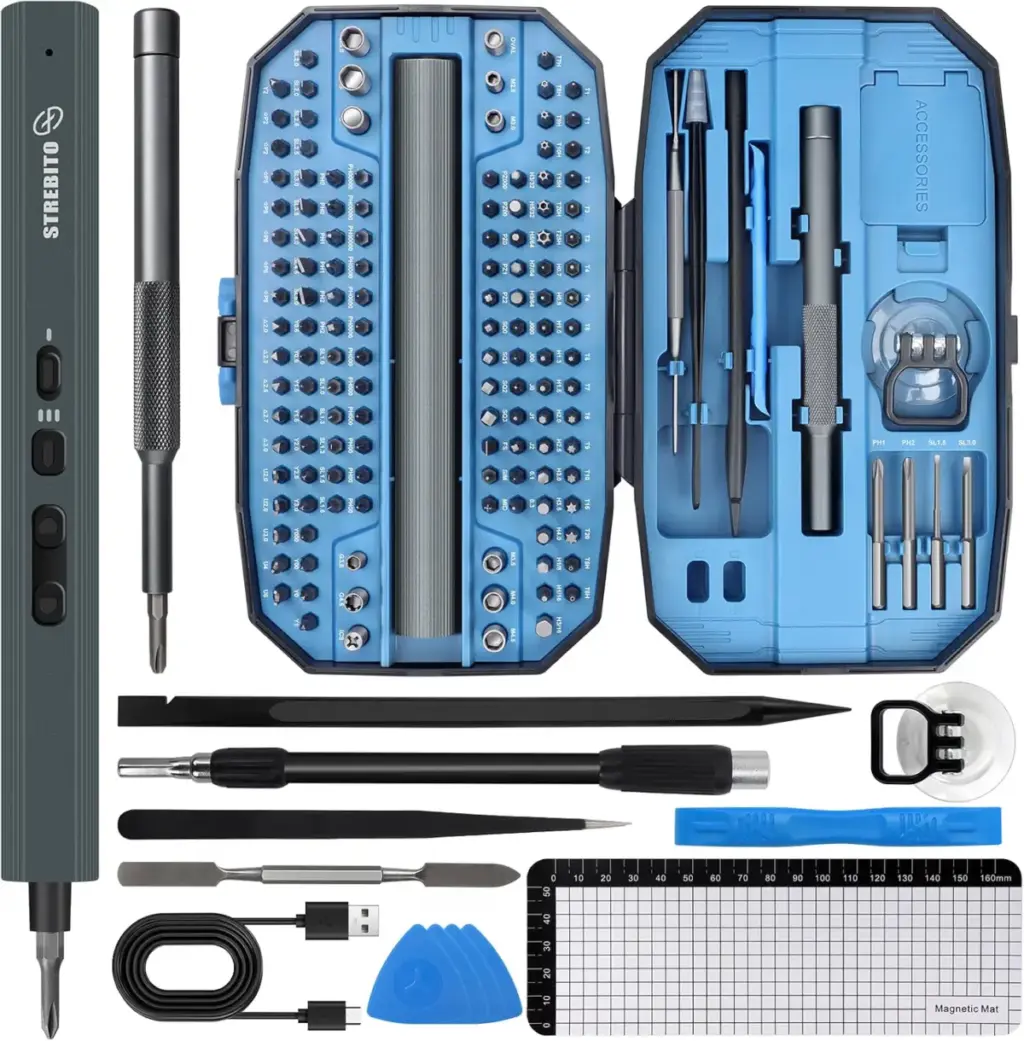
Once the components are gathered, the physical assembly begins, and it is here that the importance of a proper toolkit becomes undeniable. A PC is a precision instrument, and treating it as such requires more than just a standard household screwdriver. The evolution of the builder’s toolkit often mirrors their experience in the hobby. Experienced builders understand that the right tools do not just make the job easier; they protect the hardware and ensure a level of precision that prevents long-term mechanical issues. A go-to tool for many today is a high-quality precision driver, such as those produced by Hoto, which offers the necessary torque control and bit variety to handle everything from bulky case screws to the microscopic fasteners found on M.2 heatsinks.
Building a toolkit is a gradual process of discovery. It often starts with a single magnetic screwdriver, but it quickly expands as the builder realizes the limitations of basic equipment. Beyond the primary driver, a comprehensive kit should include tools for maintenance, cleaning, and repair. A PC is a living system that requires ongoing care to maintain its peak performance. Dust is the perennial enemy of high-performance electronics, and while canned air was once the standard, the modern enthusiast often opts for electric dusters. These devices provide a sustainable and powerful way to clear out the intricate fins of a CPU cooler or the shrouded fans of a GPU without the environmental impact or the moisture risks associated with chemical propellants.
 Hardware Reviews & PC Building
Intel Shifts Strategic Focus to Trust Domain Extensions as Software Guard Extensions Era Nears its Conclusion
In a significant realignment of its long-term data center security roadmap, Intel...
 Hardware Reviews & PC Building
Corsair HX1000i Shift Crystal: A High-Performance Digital Power Supply That Puts Its Internals on Display
In the modern landscape of enthusiast PC building, the power supply unit...
 Hardware Reviews & PC Building
Nvidia launches Open Agent Safety Platform to restrain rogue AI agents — new hardware-and-software security stack…
The introduction of the Open Agent Safety Platform arrives at a critical...