
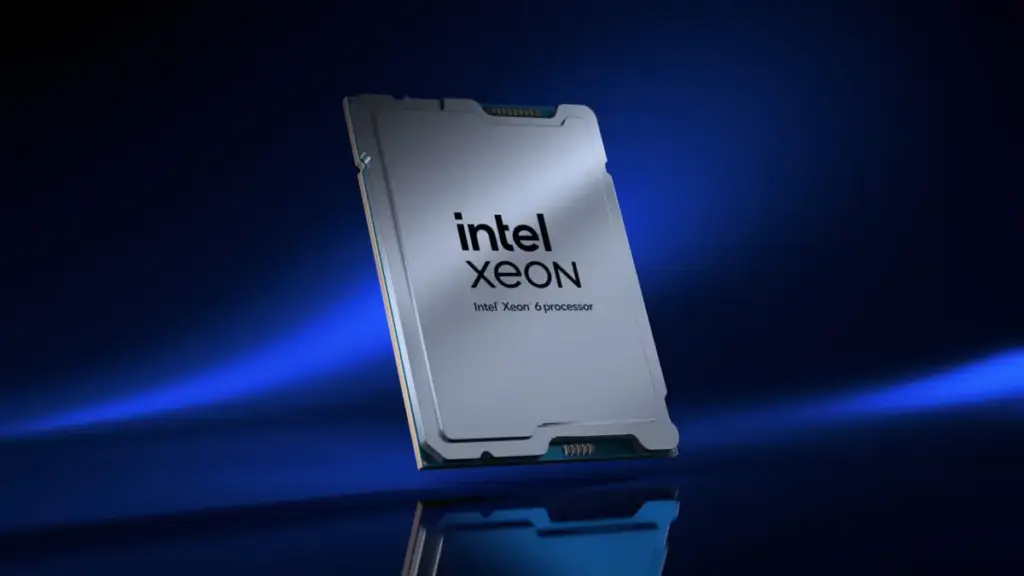
In a significant realignment of its long-term data center security roadmap, Intel has officially announced plans to phase out its Software Guard Extensions (SGX) technology on mainstream server platforms. This transition marks a pivotal moment for the semiconductor giant as it moves to consolidate its confidential computing efforts around Trust Domain Extensions (TDX). According to the company, the upcoming Xeon "Diamond Rapids" processors will represent the final generation of mainstream server CPUs to support the SGX architecture. Following this release, Intel will direct its engineering resources and security focus toward the evolving requirements of cloud computing, large-scale enterprise workloads, and the burgeoning field of agentic artificial intelligence.
The decision to sunset SGX in the mainstream server market comes just five years after Intel first brought the technology to its high-end Xeon scalable platforms. While the move represents a departure from a technology that was once considered the gold standard for granular hardware security, it reflects a broader industry shift toward more scalable, flexible, and developer-friendly confidential computing environments. Intel has emphasized that this is a managed transition, confirming that support for existing SGX-enabled platforms will continue well into the early 2030s, ensuring that organizations with current deployments have a decade-long runway to maintain their security posture or plan their eventual migration.
To understand the weight of this strategic pivot, one must look at the foundational differences between SGX and TDX. When SGX was first introduced, it was hailed as a revolutionary approach to the "black box" problem of data processing. It allowed developers to create "enclaves"—protected areas of execution in memory that were isolated from the rest of the system. Even if the operating system, hypervisor, or a malicious actor with physical access to the server were compromised, the data inside the SGX enclave remained encrypted and inaccessible. This provided a level of hardware-rooted security that was unprecedented at the time.
However, the implementation of SGX came with significant operational hurdles. Because SGX required a granular, application-level approach to security, developers were often forced to rewrite portions of their software to utilize the technology effectively. The management of the Enclave Page Cache (EPC), which was limited in size in earlier iterations, also created performance bottlenecks for memory-intensive applications. While these constraints were manageable for specialized use cases, they proved to be a barrier to entry for the rapid, massive-scale deployments required by modern cloud service providers.
In contrast, Intel’s Trust Domain Extensions (TDX) represent a more holistic approach to confidential computing. Rather than isolating specific pieces of code within an application, TDX is designed to isolate entire virtual machines (VMs). By creating "Trust Domains," TDX allows organizations to run existing applications and operating systems in a secure, hardware-isolated environment without the need for extensive code modifications. This "lift and shift" capability makes TDX far more attractive to cloud providers and enterprise customers who need to secure massive workloads across thousands of servers with minimal friction.
 Hardware Reviews & PC Building
Used Hardware Purchase Leads to Unexpected Valorant Ban for German Gamer as Riot’s Vanguard Flags Secondhand CPU
The secondary market for PC components has long been a haven for...
 Hardware Reviews & PC Building
Save $250 on this award-winning Elegoo resin 3D printer with an integrated heater and 16K resolution — 39%…
The Saturn 4 Ultra is currently positioned as a flagship offering within...
 Hardware Reviews & PC Building
The PC gaming ray tracing obsession began with the first RTX 20 graphics cards released on this day in 2018 — the…
The debut of the GeForce 20 series was spearheaded by the release...







