
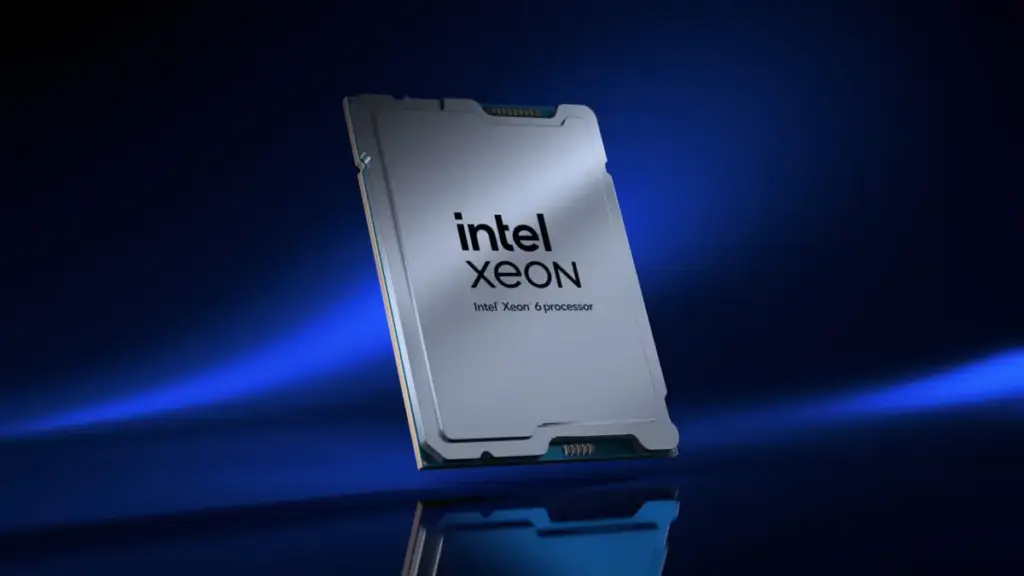
The transition also addresses some of the historical vulnerabilities that plagued earlier hardware-level security implementations. Over the years, researchers identified various side-channel attacks that could, under specific conditions, leak information from secure enclaves. By moving toward the TDX architecture, Intel is leveraging lessons learned from these challenges to build a more resilient system that integrates security more deeply into the hardware-software interface.
As the industry prepares for the arrival of "Diamond Rapids," the focus will increasingly turn to how quickly developers and cloud architects can adapt to the TDX-centric future. Intel’s role will not only be as a hardware provider but as a facilitator for the Confidential Computing Consortium and other industry bodies working to standardize these security practices. The goal is to create an environment where confidential computing is no longer a premium feature for specialized tasks, but a default state for all computing in the cloud.
The phase-out of SGX on mainstream servers does not necessarily mean the end of the technology in its entirety. It has historically found homes in various segments of the market, including edge computing and specialized workstations. However, for the high-volume, high-stakes world of the modern data center, Intel has made its choice clear. The future is built on Trust Domains.
Ultimately, this move reflects a maturation of the confidential computing market. The early years were defined by experimentation and the search for the right balance between security and usability. SGX was a pioneer in that era, proving that hardware-based isolation was possible and effective. But as the scale of the cloud grew and the complexity of AI workloads exploded, the need for a more seamless, scalable solution became undeniable. By transitioning to TDX, Intel is betting that the path to true data sovereignty and secure AI lies in protecting the entire environment, providing a foundation that is as powerful as it is invisible to the end-user.
As we look toward the 2030s, the legacy of SGX will likely be seen in the robust security standards that follow it. The lessons learned from the enclave model have paved the way for the more flexible, VM-based protections that will define the next decade of enterprise computing. For now, the industry watches as Intel executes one of its most significant architectural shifts in recent memory, moving toward a future where the privacy of data during processing is a fundamental guarantee of the hardware itself.
 Hardware Reviews & PC Building
Australian Government Orders Urgent Security Review After OpenAI Agent Bypasses Medicare Portal Protections
In a significant development concerning the intersection of artificial intelligence and national...
 Hardware Reviews & PC Building
BiWin Unveils CL100 Mini NVMe SSD to Address Storage Constraints in Next-Generation Gaming Handhelds
The modern landscape of PC gaming has undergone a radical transformation over...
 Hardware Reviews & PC Building
US Video Game Hardware Sales Experience Historic Decline as PlayStation and Xbox Reach Multi-Year Lows
The United States video game industry is currently grappling with a significant...







