
The modern landscape of PC gaming has undergone a radical transformation over the last several years, moving away from the stationary desk-bound experience toward a more mobile, versatile ecosystem. As handheld gaming PCs like the Steam Deck, ASUS ROG Ally, and Lenovo Legion Go have surged in popularity, they have brought a specific set of engineering challenges to the forefront of hardware design. Chief among these is the constant struggle between physical portability and the ballooning storage requirements of contemporary AAA video games. While internal solid-state drives have become faster and more reliable, the physical space required to house them remains a premium commodity within the cramped chassis of a portable device.
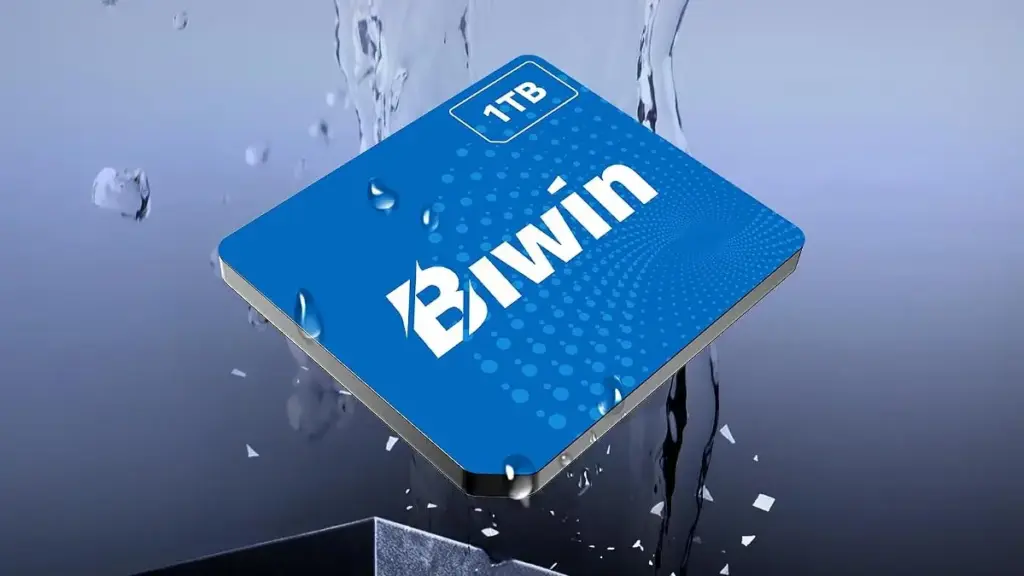
In response to this ongoing dilemma, BiWin has officially introduced the CL100 Mini NVMe SSD, a storage solution that seeks to bridge the gap between the high-speed performance of traditional internal drives and the extreme convenience of removable media. This diminutive storage unit, which was first glimpsed as an unnamed prototype earlier this year, has now been given a formal identity and a specific mission within the handheld market. By shrinking the NVMe form factor down to a staggering 15 x 17 mm, BiWin has created a drive that is effectively the size of a standard microSD card, yet it retains the architectural advantages of the Non-Volatile Memory Express protocol.
The introduction of the CL100 comes at a time when gamers are increasingly forced to manage their libraries with the precision of a high-stakes puzzle. With modern titles frequently exceeding 100GB or even 150GB in size, the "internal storage Tetris" has become a common ritual for handheld enthusiasts. Traditionally, users have had two primary paths for expansion. The first is the use of microSD cards, which offer the benefit of being hot-swappable and easy to install without tools. However, microSD cards are often hampered by significantly slower read and write speeds compared to NVMe drives, leading to longer load times and potential performance hitches in open-world games that rely on rapid asset streaming. The second path involves upgrading the internal M.2 SSD, which provides the necessary speed but usually requires the user to disassemble their expensive handheld, navigate delicate plastic clips, and manage tiny, easily lost M.2 screws.
The BiWin CL100 Mini NVMe SSD is designed to eliminate this compromise by offering a third way. Its custom casing and ultra-compact dimensions allow it to function much like a removable card while maintaining the throughput of a PCIe-based drive. This innovation is currently being integrated into a specific niche of the handheld market, primarily supporting hardware from manufacturers like OneXPlayer and GPD. Specifically, the CL100 is tailored for use in the OneXFly Apex, OneXFly Air, OneXPlayer 3, X1 Air, X2 Mini, and the Super V and X models. Additionally, the drive is compatible with the GPD Win5, another high-performance portable that has embraced this specialized storage format.
These particular systems are distinguished by their inclusion of dedicated hardware slots designed specifically for this 15 x 17 mm form factor. Unlike the Steam Deck or the ROG Ally, which utilize the M.2 2230 standard—measuring 22 x 30 mm—these newer devices from GPD and OneXPlayer allow users to insert the CL100 as easily as they would an SD card. This eliminates the technical barrier of entry for storage upgrades, as users no longer need to fear voiding warranties or damaging internal components just to add a few more games to their library.
 Hardware Reviews & PC Building
Rising Component Costs and AI Demand Create Unprecedented Crisis for Consumer PC Market
The landscape of the consumer PC market is currently navigating a period...
 Hardware Reviews & PC Building
Used Hardware Purchase Leads to Unexpected Valorant Ban for German Gamer as Riot’s Vanguard Flags Secondhand CPU
The secondary market for PC components has long been a haven for...
 Hardware Reviews & PC Building
Custom Power Distribution Mod Surfaces to Tackle RTX 5090 Overheating Concerns
The launch of NVIDIA’s flagship GeForce RTX 5090 has been met with...







