
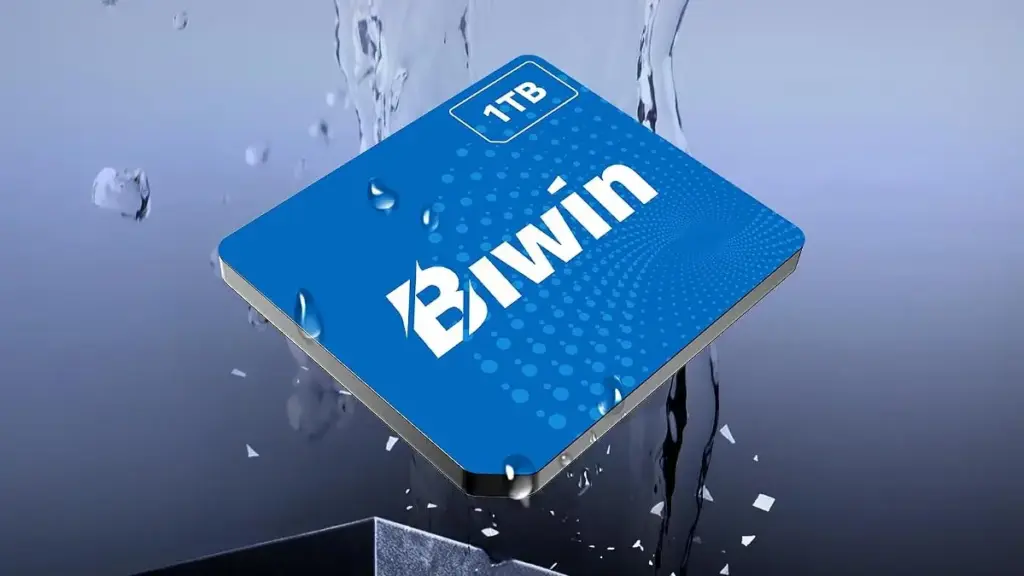
The technical achievement of fitting a full NVMe controller and NAND flash memory into a 15 x 17 mm footprint cannot be overstated. For comparison, the M.2 2230 drives that currently serve as the standard for small-form-factor PCs are nearly twice as large in terms of surface area. By shrinking the footprint even further, BiWin is pushing the boundaries of density in flash storage. This move reflects a broader trend in the electronics industry where the miniaturization of components is no longer just about making devices smaller, but about making them more modular and user-friendly without sacrificing the high-speed data transfer rates that modern software demands.
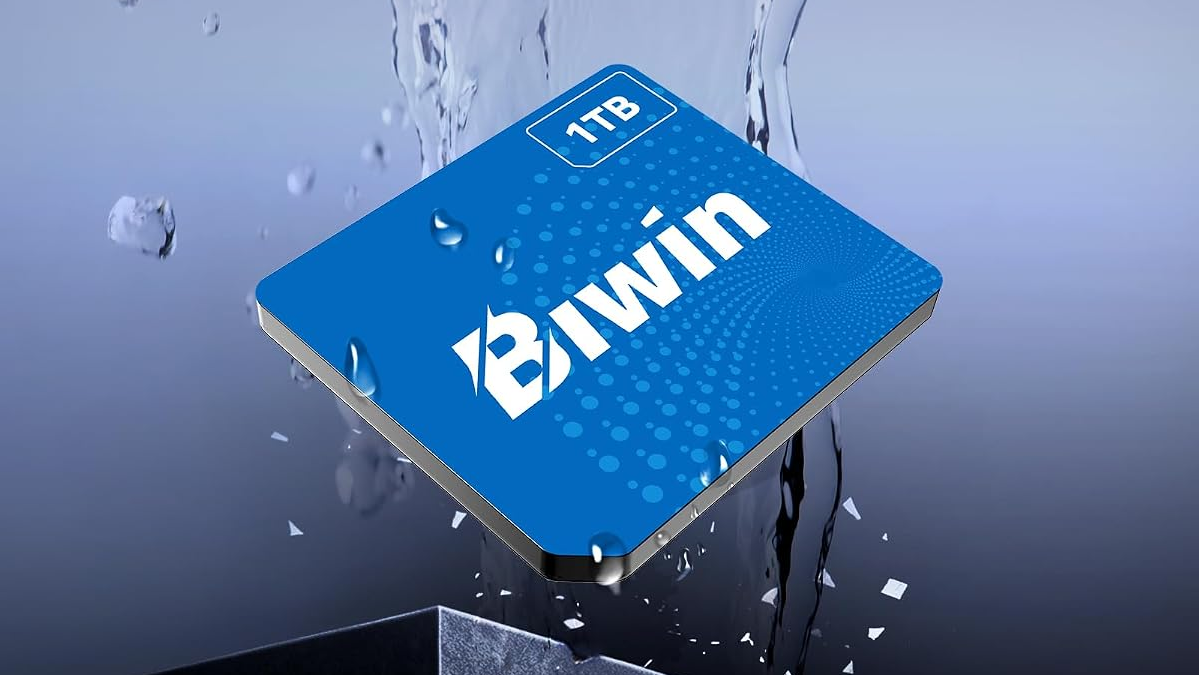
The bespoke nature of the CL100 highlights a growing divergence in the handheld PC market. On one side, industry giants like Valve and ASUS have opted for more standardized, albeit still small, internal components like the M.2 2230. On the other side, more agile and experimental manufacturers in the Shenzhen tech hub, such as GPD and the team behind OneXPlayer, are willing to pioneer proprietary or semi-proprietary formats to gain a competitive edge in physical design and user convenience. By incorporating a dedicated slot for a "mini" NVMe drive, these companies are betting that users will value the ability to quickly swap high-speed storage modules over the universality of the M.2 standard.
This development also addresses a critical bottleneck in the user experience of portable gaming. While microSD cards have served as a stopgap, they are increasingly ill-suited for the demands of modern game engines. Technologies like DirectStorage are designed to leverage the massive bandwidth of NVMe drives to pull data directly into the GPU, a feat that traditional UHS-I or even UHS-II microSD cards struggle to match. By bringing NVMe speeds to a card-like form factor, the CL100 ensures that games stored on expandable media perform identically to those installed on the primary internal drive.
Furthermore, the design of the CL100 suggests a focus on thermal management and durability. Small-form-factor SSDs often struggle with heat dissipation, especially when tasked with the sustained read operations required during a long gaming session. BiWin’s use of a custom casing for the CL100 likely serves as a heat spreader, helping to maintain stable performance even within the thermally constrained environments of a handheld console. This is a significant consideration for devices like the OneXPlayer 3 or the GPD Win5, which house powerful processors that generate substantial internal heat.
 Hardware Reviews & PC Building
GlobalFoundries to produce silicon interposers for TSMC’s CoWoS in the US — Five-year agreement valued at $2…
The deal establishes a robust, U.S.-based manufacturing source for essential advanced packaging...
 Hardware Reviews & PC Building
Save $250 on this award-winning Elegoo resin 3D printer with an integrated heater and 16K resolution — 39%…
The Saturn 4 Ultra is currently positioned as a flagship offering within...
 Hardware Reviews & PC Building
Amazon Prime Day 2026: Final 24 Hours of Big Deal Days Feature Massive Savings on RTX 5070 Systems, Ryzen 9800X3D, and Premium Gaming Peripherals
As the clock winds down on the 2026 iteration of Amazon’s Big...







