
The landscape of the consumer PC market is currently navigating a period of profound instability, as a convergence of supply chain shifts, inflationary pressures, and an insatiable demand for artificial intelligence hardware has sent the cost of building or upgrading a computer to historic highs. For years, the enthusiast community viewed the post-pandemic era as a potential return to normalcy, expecting a stabilization of prices and a replenishment of stock across the board. However, the reality of the current climate has proven to be quite the opposite. Instead of a return to the status quo, builders are facing a market where standard components—once considered predictable commodities—have become prohibitively expensive, leaving many to wonder if the era of the affordable, high-performance home PC is drawing to a close.
The crisis is most visible in the fundamental building blocks of modern systems: memory and storage. Prices for standard kits of DDR5 RAM have surged significantly, moving well beyond the reach of many budget-conscious consumers. This trend is particularly frustrating for users who are attempting to transition to newer platforms that require the latest memory standards. While DDR5 was expected to follow the traditional price-decay curve typical of maturing technology, market forces have intervened. Similarly, the cost of NVMe SSDs has reached levels that are higher than ever before. These high-speed storage drives, which have become a non-negotiable requirement for modern operating systems and gaming applications, are no longer the affordable upgrades they were just eighteen months ago. The upward pressure on NAND flash and DRAM pricing is a symptom of a broader industrial shift, where manufacturers are increasingly prioritizing high-margin enterprise and data center products over the consumer-grade components that populate retail shelves.
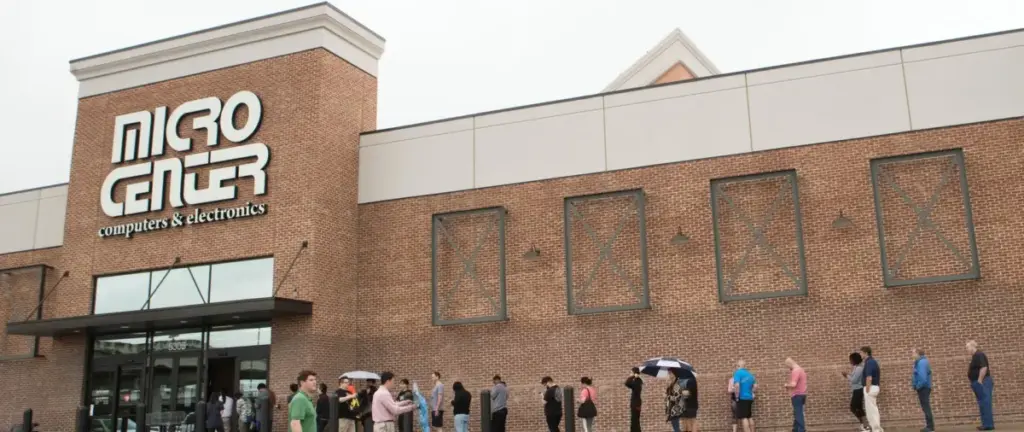
Perhaps the most distressing development for the gaming community is the state of the graphics card market. GPUs have long been the most expensive single component in a gaming rig, but they are now being caught in the crosshairs of an AI-driven onslaught. The same silicon and manufacturing capacity required to produce consumer gaming cards is being diverted to meet the explosive demand for AI accelerators. This has created a vacuum in the retail sector, where availability is scarce and pricing is untethered from reality. The situation has reached a point where traditional shopping strategies are failing. While major online retailers like Newegg and Amazon have historically been the first port of call for builders, their reliance on third-party marketplaces has allowed prices to spiral out of control. For those lucky enough to live within driving distance of one of Micro Center’s 30 U.S. locations, the brick-and-mortar experience has become a rare sanctuary. The retailer’s focus on in-store inventory and localized pricing often provides a more reasonable alternative to the algorithmic volatility found online, though even these specialized outlets are not immune to the global upward trend in costs.
 Hardware Reviews & PC Building
Intel Shifts Strategic Focus to Trust Domain Extensions as Software Guard Extensions Era Nears its Conclusion
In a significant realignment of its long-term data center security roadmap, Intel...
 Hardware Reviews & PC Building
Amazon Prime Day 2026: Final 24 Hours of Big Deal Days Feature Massive Savings on RTX 5070 Systems, Ryzen 9800X3D, and Premium Gaming Peripherals
As the clock winds down on the 2026 iteration of Amazon’s Big...
 Hardware Reviews & PC Building
Microsoft brings Snapdragon X2 Plus to 13-inch Surface Laptop, 12-inch Surface Pro — low-end systems finally get…
The introduction of the Snapdragon X2 Plus represents a substantial leap over...






