
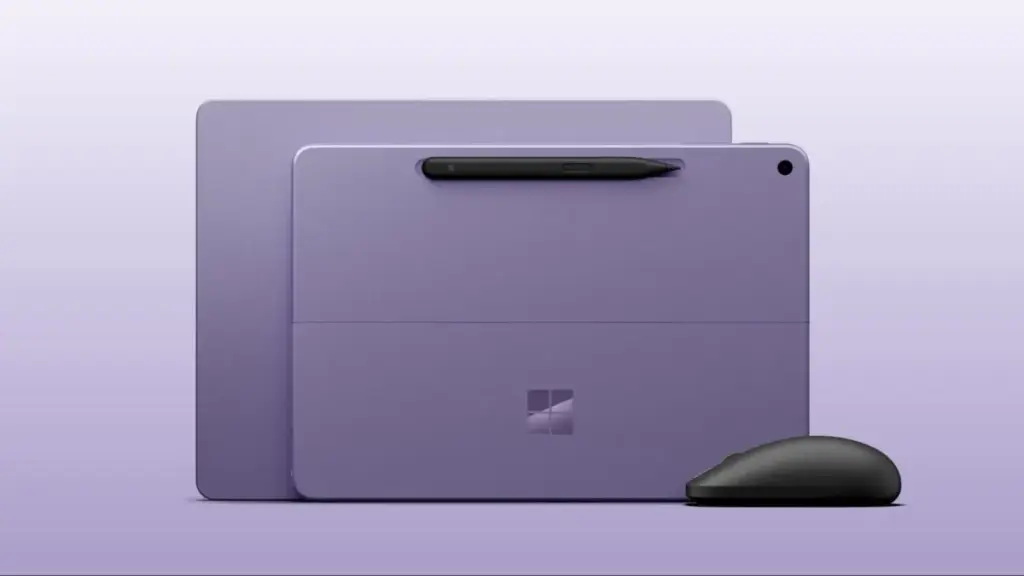
The introduction of the Snapdragon X2 Plus represents a substantial leap over the first-generation Snapdragon X Plus that powered the previous iterations of these devices. While the first generation established a viable foundation for Windows on ARM, the X2 Plus is designed to push the boundaries of efficiency and specialized processing. The 80 TOPS NPU is the centerpiece of this hardware evolution, providing the local compute power necessary to handle increasingly complex artificial intelligence tasks without relying exclusively on cloud-based resources. This focus on local AI performance is consistent with Microsoft’s broader "Copilot+" initiative, which seeks to integrate generative AI features directly into the Windows operating system. By ensuring that even their smaller, more portable systems possess this level of neural processing power, Microsoft is ensuring that the entry point for its hardware ecosystem remains compatible with the next generation of software demands.
The timing of this announcement alongside the Snapdragon Summit highlights the symbiotic relationship between Microsoft and Qualcomm. As the PC industry moves toward a "post-Intel" landscape in the ultraportable segment, the partnership between the software giant and the silicon designer has become the cornerstone of the Windows on ARM strategy. The Snapdragon X2 Plus is not merely a marginal speed bump; it is a statement of intent regarding the future of power efficiency and thermal management in thin-and-light form factors. For the 12-inch Surface Pro and the 13-inch Surface Laptop, this means a likely improvement in battery life and sustained performance, addressing two of the most critical factors for users who prioritize mobility.
However, these technological advancements come with a notable adjustment in the financial barrier to entry. Microsoft has confirmed that both new devices will officially launch on October 13, but the pricing structure has undergone a dramatic upward shift. The new 13-inch Surface Laptop will start at $1,199, while the 12-inch Surface Pro will begin at $1,149. To put these figures into perspective, the previous versions of these systems were launched at significantly more approachable price points, starting at $899 and $799, respectively. This represent a $300 increase for the Laptop and a $350 increase for the Pro, a move that effectively reclassifies these devices from "budget-friendly entry points" to "premium portable workstations."
This pricing strategy suggests that Microsoft is no longer interested in competing at the bottom of the price ladder with these specific models. Instead, the company seems to be positioning the Surface Laptop and Surface Pro as premium experiences where the value proposition is tied to the specialized AI silicon and the high-end build quality associated with the Surface brand. The substantial price hike may be a reflection of the increased costs associated with the Snapdragon X2 Plus and its high-performance NPU, or it may indicate a strategic decision to leave the sub-$1,000 market to third-party manufacturers. For the consumer, this means that the "entry-level" Surface experience now requires a four-figure investment, a change that may alter the demographics of the Surface user base, potentially leaning more toward professional and enterprise users rather than students or casual home users.
 Hardware Reviews & PC Building
Unofficial Grand Theft Auto V Browser Port Faces Swift Takedown Following Viral Technical Demonstration
The landscape of modern gaming is often defined by the boundaries of...
 Hardware Reviews & PC Building
Tom’s Hardware Expands Digital Reach with Launch of Official Mobile Application for Android and iOS
The landscape of technology journalism has undergone a profound transformation over the...
 Hardware Reviews & PC Building
Privacy Concerns Surface for Meta’s Muse AI as Reports Suggest Unauthorized Access to Personal Messages
The rapid evolution of artificial intelligence has brought with it a wave...







