
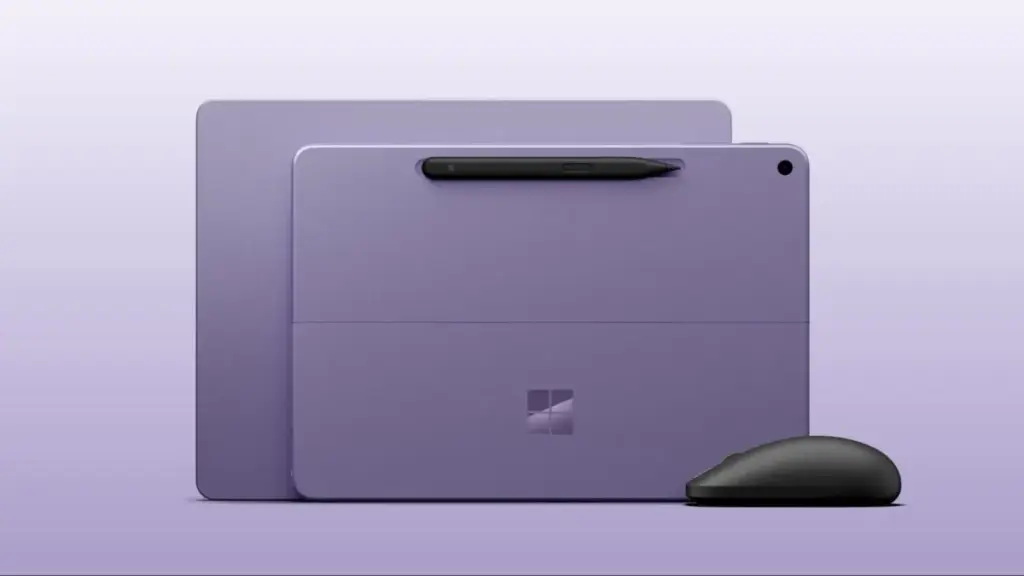
The 12-inch Surface Pro, in particular, occupies a unique space in the market. As a tablet-first hybrid, it has long been the gold standard for versatility, but the smaller screen size has traditionally been associated with a more affordable price tag compared to its larger 13-inch sibling. By bringing the 12-inch model’s price up to $1,149, Microsoft is asserting that the smaller form factor should not be equated with "lesser" performance. With the 80 TOPS NPU, this compact tablet is now technically equipped to handle the same AI-heavy workflows as much larger machines. This shift reflects a broader trend in the tech industry where the physical footprint of a device is becoming less of a predictor of its internal capabilities.
Similarly, the 13-inch Surface Laptop has traditionally served as the quintessential "everyman" computer in Microsoft’s stable. It offered a classic clamshell design with a focus on aesthetics and portability. The move to a $1,199 starting price places it in direct competition with high-end ultrabooks and the premium tiers of the laptop market. By equipping it with the Snapdragon X2 Plus, Microsoft is betting that users will be willing to pay a premium for a device that is not only thin and light but also uniquely optimized for the AI features that the company is weaving into the fabric of Windows.
The October 13 launch date places these devices at the forefront of the autumn hardware cycle, a period typically dominated by holiday shopping and end-of-year corporate budget spending. By releasing these refreshed models now, Microsoft is ensuring that its hardware lineup is fully synchronized with the latest advancements in Qualcomm’s silicon roadmap. The focus on the Snapdragon Summit as a backdrop for the announcement underscores the technical nature of this update. It is a refresh driven by the capabilities of the processor rather than a total redesign of the exterior chassis or the display technology. For users who have been waiting for the Surface line to catch up to the performance-per-watt efficiency seen in other ARM-based competitors, this update represents the most significant step forward in several years.
 Hardware Reviews & PC Building
Nvidia launches Open Agent Safety Platform to restrain rogue AI agents — new hardware-and-software security stack…
The introduction of the Open Agent Safety Platform arrives at a critical...
 Hardware Reviews & PC Building
Rising Component Costs and AI Demand Create Unprecedented Crisis for Consumer PC Market
The landscape of the consumer PC market is currently navigating a period...
 Hardware Reviews & PC Building
Amazon Prime Day 2026: Final 24 Hours of Big Deal Days Feature Massive Savings on RTX 5070 Systems, Ryzen 9800X3D, and Premium Gaming Peripherals
As the clock winds down on the 2026 iteration of Amazon’s Big...







