
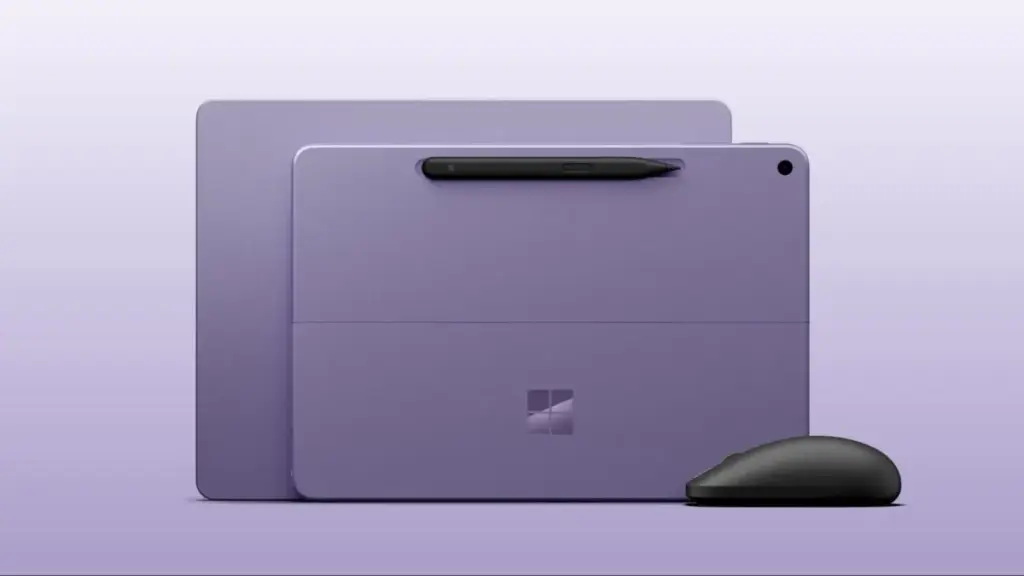
The introduction of the Snapdragon X2 Plus represents a substantial leap over the first-generation Snapdragon X Plus that powered the previous iterations of these devices. While the first generation established a viable foundation for Windows on ARM, the X2 Plus is designed to push the boundaries of efficiency and specialized processing. The 80 TOPS NPU is the centerpiece of this hardware evolution, providing the local compute power necessary to handle increasingly complex artificial intelligence tasks without relying exclusively on cloud-based resources. This focus on local AI performance is consistent with Microsoft’s broader "Copilot+" initiative, which seeks to integrate generative AI features directly into the Windows operating system. By ensuring that even their smaller, more portable systems possess this level of neural processing power, Microsoft is ensuring that the entry point for its hardware ecosystem remains compatible with the next generation of software demands.
The timing of this announcement alongside the Snapdragon Summit highlights the symbiotic relationship between Microsoft and Qualcomm. As the PC industry moves toward a "post-Intel" landscape in the ultraportable segment, the partnership between the software giant and the silicon designer has become the cornerstone of the Windows on ARM strategy. The Snapdragon X2 Plus is not merely a marginal speed bump; it is a statement of intent regarding the future of power efficiency and thermal management in thin-and-light form factors. For the 12-inch Surface Pro and the 13-inch Surface Laptop, this means a likely improvement in battery life and sustained performance, addressing two of the most critical factors for users who prioritize mobility.
However, these technological advancements come with a notable adjustment in the financial barrier to entry. Microsoft has confirmed that both new devices will officially launch on October 13, but the pricing structure has undergone a dramatic upward shift. The new 13-inch Surface Laptop will start at $1,199, while the 12-inch Surface Pro will begin at $1,149. To put these figures into perspective, the previous versions of these systems were launched at significantly more approachable price points, starting at $899 and $799, respectively. This represent a $300 increase for the Laptop and a $350 increase for the Pro, a move that effectively reclassifies these devices from "budget-friendly entry points" to "premium portable workstations."
This pricing strategy suggests that Microsoft is no longer interested in competing at the bottom of the price ladder with these specific models. Instead, the company seems to be positioning the Surface Laptop and Surface Pro as premium experiences where the value proposition is tied to the specialized AI silicon and the high-end build quality associated with the Surface brand. The substantial price hike may be a reflection of the increased costs associated with the Snapdragon X2 Plus and its high-performance NPU, or it may indicate a strategic decision to leave the sub-$1,000 market to third-party manufacturers. For the consumer, this means that the "entry-level" Surface experience now requires a four-figure investment, a change that may alter the demographics of the Surface user base, potentially leaning more toward professional and enterprise users rather than students or casual home users.
The 12-inch Surface Pro, in particular, occupies a unique space in the market. As a tablet-first hybrid, it has long been the gold standard for versatility, but the smaller screen size has traditionally been associated with a more affordable price tag compared to its larger 13-inch sibling. By bringing the 12-inch model’s price up to $1,149, Microsoft is asserting that the smaller form factor should not be equated with "lesser" performance. With the 80 TOPS NPU, this compact tablet is now technically equipped to handle the same AI-heavy workflows as much larger machines. This shift reflects a broader trend in the tech industry where the physical footprint of a device is becoming less of a predictor of its internal capabilities.
Similarly, the 13-inch Surface Laptop has traditionally served as the quintessential "everyman" computer in Microsoft’s stable. It offered a classic clamshell design with a focus on aesthetics and portability. The move to a $1,199 starting price places it in direct competition with high-end ultrabooks and the premium tiers of the laptop market. By equipping it with the Snapdragon X2 Plus, Microsoft is betting that users will be willing to pay a premium for a device that is not only thin and light but also uniquely optimized for the AI features that the company is weaving into the fabric of Windows.
The October 13 launch date places these devices at the forefront of the autumn hardware cycle, a period typically dominated by holiday shopping and end-of-year corporate budget spending. By releasing these refreshed models now, Microsoft is ensuring that its hardware lineup is fully synchronized with the latest advancements in Qualcomm’s silicon roadmap. The focus on the Snapdragon Summit as a backdrop for the announcement underscores the technical nature of this update. It is a refresh driven by the capabilities of the processor rather than a total redesign of the exterior chassis or the display technology. For users who have been waiting for the Surface line to catch up to the performance-per-watt efficiency seen in other ARM-based competitors, this update represents the most significant step forward in several years.
The broader implications for the Windows ecosystem are also significant. For years, the "entry-level" experience on Windows was often characterized by compromised performance and mediocre battery life, especially in the more affordable price brackets. By moving the baseline of the Surface Pro and Surface Laptop to the Snapdragon X2 Plus, Microsoft is attempting to redefine the standard for the Windows experience. The 80 TOPS NPU is not just a specification; it is a requirement for the new class of "Copilot+" features that Microsoft is marketing as the future of productivity. These features, which include advanced image manipulation, real-time language translation, and intelligent search capabilities, require the kind of dedicated hardware that the X2 Plus provides.
Despite the excitement surrounding the technical specifications, the market reaction to the pricing will be a crucial factor in the success of these new models. The jump from $799 to $1,149 for the Surface Pro is a significant hurdle for many potential buyers. It remains to be seen if the promise of 80 TOPS and the efficiency of the Snapdragon X2 Plus will be enough to justify the higher cost in the eyes of consumers who previously looked to these models as a gateway into the Surface ecosystem. Microsoft appears to be betting that the "AI PC" is a category worth paying for, and that the performance gains offered by the new Qualcomm silicon will ultimately outweigh the sticker shock.
As the October 13 launch approaches, the tech community will be looking closely at how these devices perform in real-world scenarios. The transition from the first-generation Snapdragon X Plus to the X2 Plus is a major milestone in the evolution of Windows on ARM, and the 12-inch Surface Pro and 13-inch Surface Laptop are the first real tests of this new hardware tier. While the price increase is undeniable, Microsoft’s focus on high-end NPU performance suggests a long-term strategy where the value of a computer is measured by its ability to process the complex algorithms of the modern AI era. By upgrading its lowest-end computers with such powerful silicon, Microsoft is making it clear that, in its vision of the future, there is no room for underpowered hardware, even at the entry level.
 Hardware Reviews & PC Building
AMD Details EPYC Venice Benchmarks in Strategic Challenge to Nvidia and Intel
In a significant expansion of its data center strategy, AMD has released...
 Hardware Reviews & PC Building
US Video Game Hardware Sales Experience Historic Decline as PlayStation and Xbox Reach Multi-Year Lows
The United States video game industry is currently grappling with a significant...
 Hardware Reviews & PC Building
Digital Fly Brain Achieves 20 Percent Win Rate in Balatro Following Breakthrough Google Neural Mapping
In the rapidly evolving landscape of artificial intelligence and computational neuroscience, the...







