
The Shield TV Pro has long occupied a unique position in the home entertainment market. Since its initial introduction, it has been widely regarded by enthusiasts and power users as the most capable streaming box available, outclassing competitors in terms of raw processing power and versatility. However, the decision to raise the price to nearly $300 places the device in a precarious market position, especially considering that the core hardware remains based on the Tegra X1+ processor. This silicon, while still formidable for a media player, is a refined version of an architecture that first arrived nearly a decade ago. In a market where most consumer electronics see price cuts as they age, Nvidia’s move highlights the volatile nature of the modern semiconductor supply chain and the far-reaching impact of the company’s own success in the enterprise AI sector.
To understand why component costs are rising for a device like the Shield TV Pro, one must look at the broader landscape of Nvidia’s business operations. Over the last two years, Nvidia has transitioned from being primarily known as a gaming graphics card manufacturer to becoming the world’s most valuable semiconductor company, largely due to its dominance in the AI data center market. The hardware required to train large language models and run generative AI applications—such as the H100 and the newer Blackwell architectures—shares manufacturing resources, packaging facilities, and certain types of memory components with the company’s consumer-facing products. While the Shield TV Pro does not utilize the high-bandwidth memory or the cutting-edge 4nm nodes found in AI accelerators, the global scramble for manufacturing capacity at foundries like TSMC has created a ripple effect. Older nodes, which were once considered cheap and plentiful, are seeing shifting cost structures as foundries prioritize more lucrative high-end production lines or face their own rising costs for raw materials and specialized labor.
The Shield TV Pro’s hardware suite includes 3GB of RAM and 16GB of internal storage, along with the Tegra X1+ chip which enables its signature AI-enhanced 4K upscaling. In the context of the current market, the memory modules and the specific logic chips required to maintain the Shield’s production run are becoming increasingly expensive to source. As Nvidia focuses its logistics and supply chain efforts on meeting the insatiable demand for AI enterprise hardware, the overhead of maintaining a niche consumer product line like the Shield appears to have grown. Rather than discontinuing the product or operating at a thinner margin, Nvidia has chosen to pass these costs directly to the consumer, effectively repositioning the Shield TV Pro as an even more premium, enthusiast-level luxury item than it was at launch.
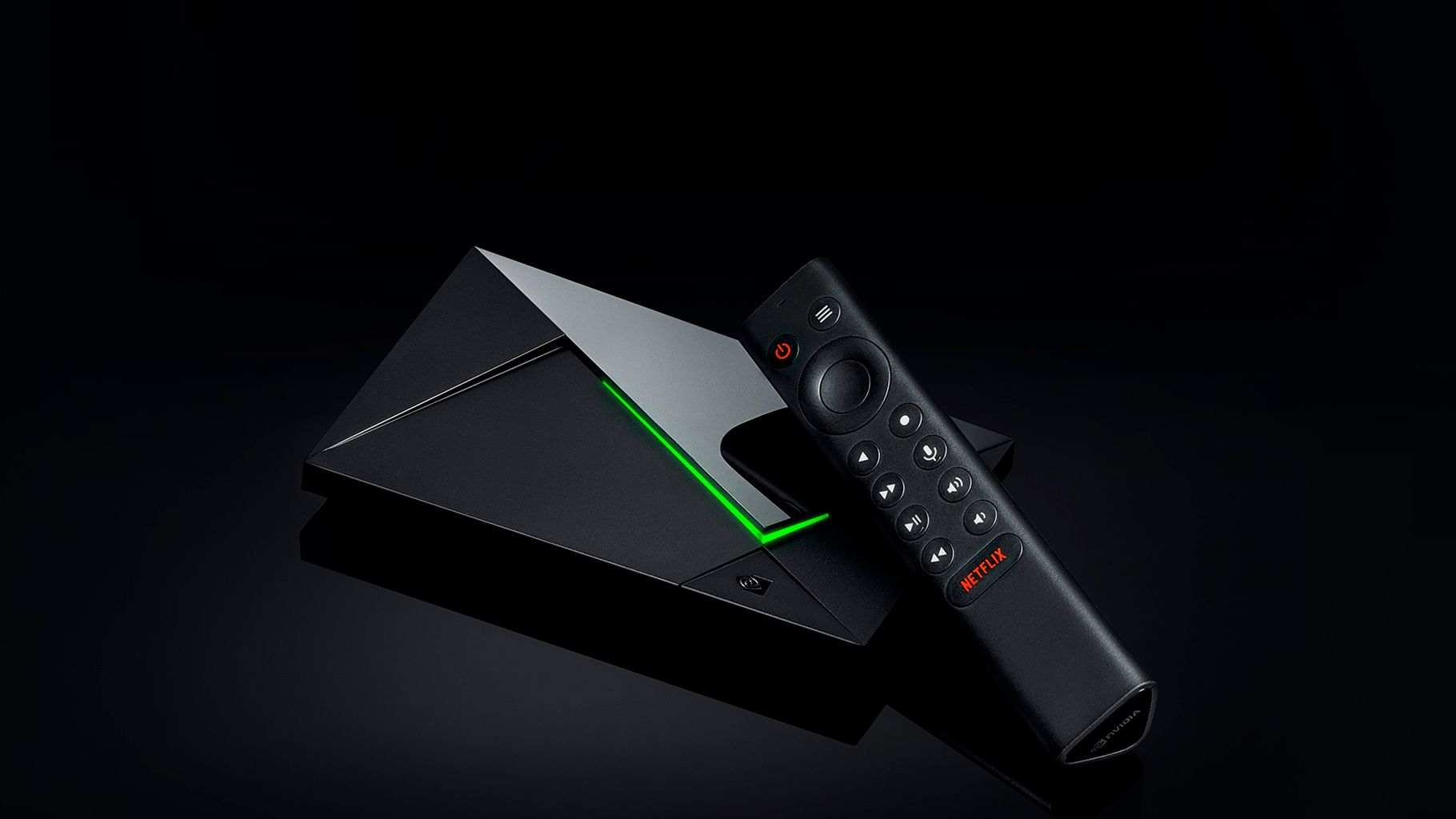
This price hike is particularly striking when compared to the current competitive landscape of the streaming industry. When the Shield TV Pro was refreshed in 2019, its $199 price tag was already considered high, sitting well above the $179 Apple TV 4K and the various $50-to-$100 offerings from Amazon and Google. Today, the competition has only become more aggressive. Apple recently updated its Apple TV 4K with a faster A15 Bionic chip and lowered the starting price to $129. Google has also recently introduced the Google TV Streamer, a more powerful successor to the Chromecast line, priced at $99. At $299.99, the Shield TV Pro is now triple the price of Google’s flagship hardware and double the price of Apple’s. For the average consumer looking to stream Netflix or Disney+, the value proposition of the Shield has shifted from a premium alternative to a specialized investment that is difficult to justify for standard media consumption.
 Hardware Reviews & PC Building
The PC gaming ray tracing obsession began with the first RTX 20 graphics cards released on this day in 2018 — the…
The debut of the GeForce 20 series was spearheaded by the release...
 Hardware Reviews & PC Building
Russian Military Targets Ukrainian Data Centers in Widening Campaign Against Digital Infrastructure
The Russian military has initiated a series of targeted strikes against critical...
 Hardware Reviews & PC Building
Nvidia launches Open Agent Safety Platform to restrain rogue AI agents — new hardware-and-software security stack…
The introduction of the Open Agent Safety Platform arrives at a critical...






