
The Shield TV Pro has long occupied a unique position in the home entertainment market. Since its initial introduction, it has been widely regarded by enthusiasts and power users as the most capable streaming box available, outclassing competitors in terms of raw processing power and versatility. However, the decision to raise the price to nearly $300 places the device in a precarious market position, especially considering that the core hardware remains based on the Tegra X1+ processor. This silicon, while still formidable for a media player, is a refined version of an architecture that first arrived nearly a decade ago. In a market where most consumer electronics see price cuts as they age, Nvidia’s move highlights the volatile nature of the modern semiconductor supply chain and the far-reaching impact of the company’s own success in the enterprise AI sector.
To understand why component costs are rising for a device like the Shield TV Pro, one must look at the broader landscape of Nvidia’s business operations. Over the last two years, Nvidia has transitioned from being primarily known as a gaming graphics card manufacturer to becoming the world’s most valuable semiconductor company, largely due to its dominance in the AI data center market. The hardware required to train large language models and run generative AI applications—such as the H100 and the newer Blackwell architectures—shares manufacturing resources, packaging facilities, and certain types of memory components with the company’s consumer-facing products. While the Shield TV Pro does not utilize the high-bandwidth memory or the cutting-edge 4nm nodes found in AI accelerators, the global scramble for manufacturing capacity at foundries like TSMC has created a ripple effect. Older nodes, which were once considered cheap and plentiful, are seeing shifting cost structures as foundries prioritize more lucrative high-end production lines or face their own rising costs for raw materials and specialized labor.
The Shield TV Pro’s hardware suite includes 3GB of RAM and 16GB of internal storage, along with the Tegra X1+ chip which enables its signature AI-enhanced 4K upscaling. In the context of the current market, the memory modules and the specific logic chips required to maintain the Shield’s production run are becoming increasingly expensive to source. As Nvidia focuses its logistics and supply chain efforts on meeting the insatiable demand for AI enterprise hardware, the overhead of maintaining a niche consumer product line like the Shield appears to have grown. Rather than discontinuing the product or operating at a thinner margin, Nvidia has chosen to pass these costs directly to the consumer, effectively repositioning the Shield TV Pro as an even more premium, enthusiast-level luxury item than it was at launch.
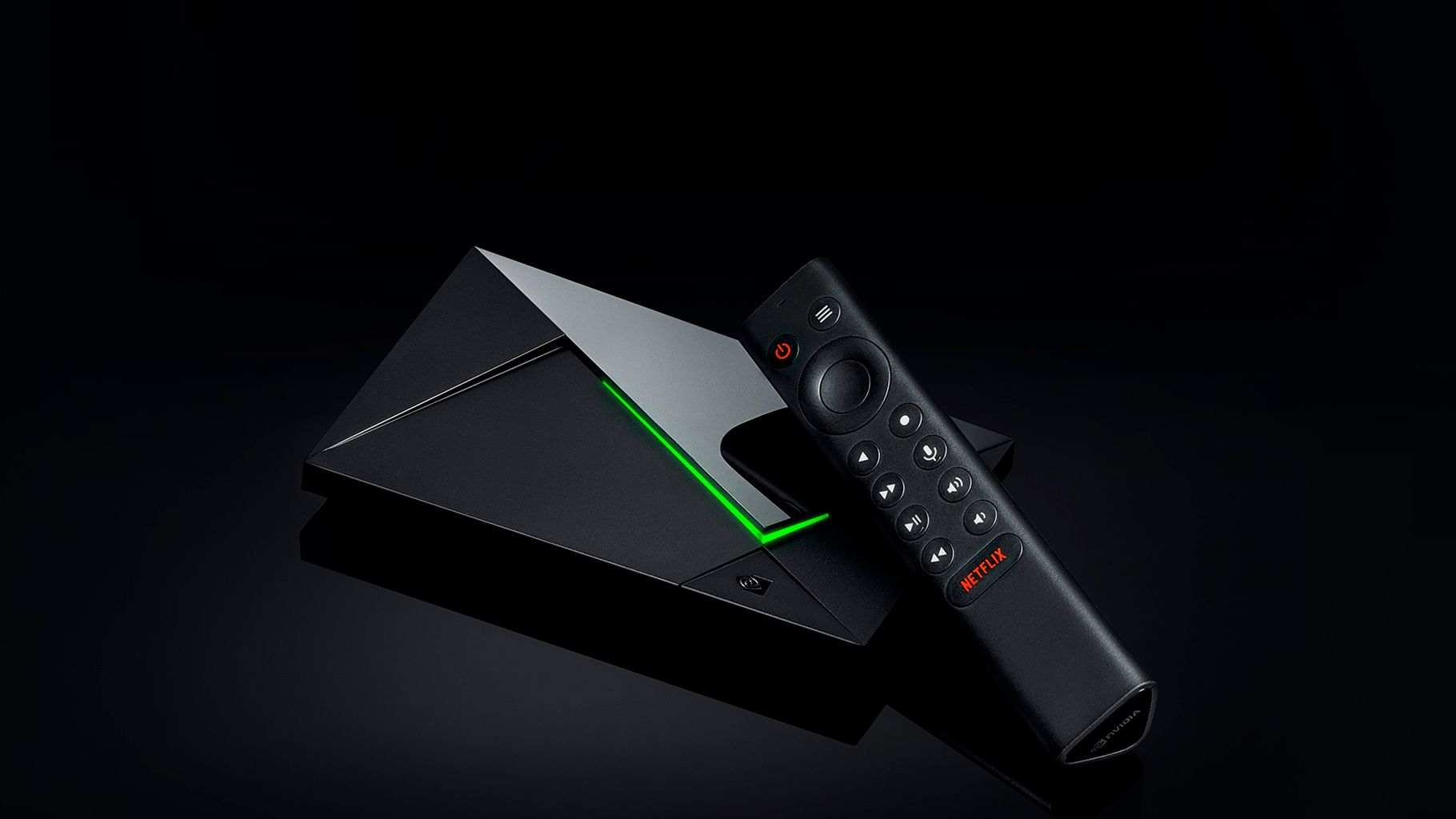
This price hike is particularly striking when compared to the current competitive landscape of the streaming industry. When the Shield TV Pro was refreshed in 2019, its $199 price tag was already considered high, sitting well above the $179 Apple TV 4K and the various $50-to-$100 offerings from Amazon and Google. Today, the competition has only become more aggressive. Apple recently updated its Apple TV 4K with a faster A15 Bionic chip and lowered the starting price to $129. Google has also recently introduced the Google TV Streamer, a more powerful successor to the Chromecast line, priced at $99. At $299.99, the Shield TV Pro is now triple the price of Google’s flagship hardware and double the price of Apple’s. For the average consumer looking to stream Netflix or Disney+, the value proposition of the Shield has shifted from a premium alternative to a specialized investment that is difficult to justify for standard media consumption.
Despite the age of the hardware and the new, higher price point, the Shield TV Pro maintains a loyal following due to features that remain largely unmatched in the industry. It remains one of the few consumer devices capable of acting as a full Plex Media Server, allowing users to host their own libraries of high-bitrate 4K content and stream them to other devices. Its support for advanced audio and video formats—including lossless Dolby Atmos, DTS-X, and Dolby Vision—is exceptionally robust, making it the preferred choice for home theater aficionados who use physical media backups or high-end sound systems. Furthermore, its integration with Nvidia’s GeForce Now cloud gaming service and its ability to stream games locally from a PC via GameStream (now officially replaced by Sunshine/Moonlight) gives it a utility that simple streaming sticks cannot replicate.
The longevity of the Shield platform is also a factor in its enduring popularity. Nvidia has provided software support for the Shield lineup for nearly a decade, with the original 2015 model still receiving updates long after contemporary smartphones and tablets from that era were abandoned by their manufacturers. This track record of durability and support has often been used to justify the initial $200 investment. However, with the price now reaching $300 without any update to the internal specifications, even the most dedicated fans are beginning to question the roadmap for the product line. There has been persistent speculation regarding a "Shield 2" or a hardware refresh that might utilize a newer Tegra chip—perhaps a variant of the silicon rumored to power the successor to the Nintendo Switch—but Nvidia has remained silent on any future hardware iterations.
The explanation that AI-driven costs are to blame for the price increase serves as a reminder of how integrated Nvidia’s various business segments have become. The company’s data center revenue now dwarfs its gaming and automotive divisions, and the strategic priority is clearly centered on the software and hardware ecosystems that power the global AI revolution. This shift in focus means that legacy consumer products, even those as beloved as the Shield, are subject to the economic realities of a company that is currently reshaping the entire tech industry. For Nvidia, the Shield TV Pro represents a small fraction of its total business, yet it remains a flagship for the Android TV (now Google TV) ecosystem. By raising the price rather than retiring the device, Nvidia seems to be signaling that it will continue to support the platform as long as it remains financially viable, even if that viability requires a significant premium from the end user.
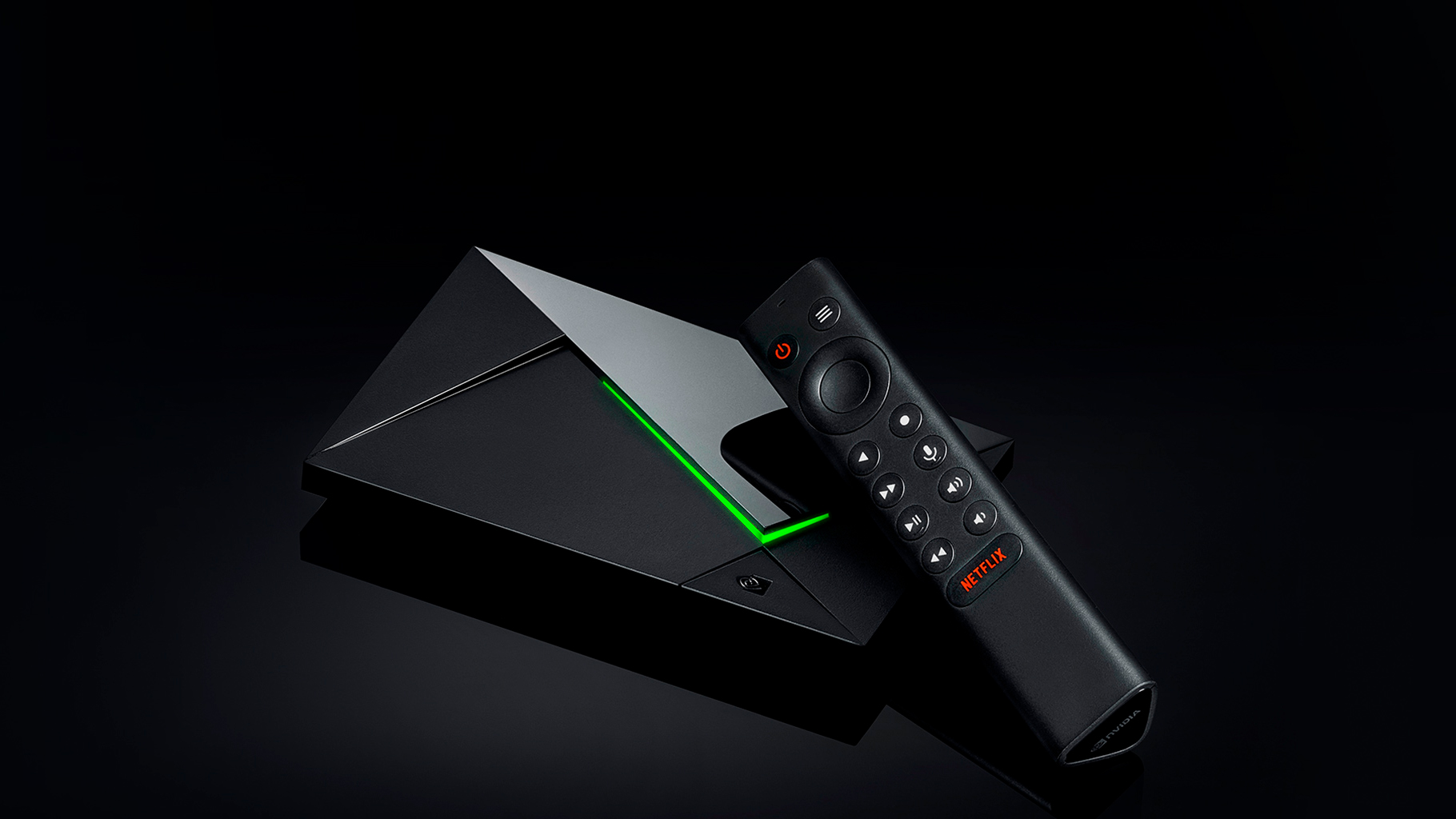
For prospective buyers, the $299.99 price point changes the calculation of a home theater upgrade. The Shield TV Pro’s AI upscaling remains a standout feature, capable of making 1080p content look remarkably close to native 4K by using a deep learning model to predict and fill in pixels in real-time. For users with large collections of older content, this feature alone has often been worth the price of admission. Additionally, the presence of two USB 3.0 ports for external storage and the inclusion of a Gigabit Ethernet port provide a level of connectivity that is increasingly rare in an era of "lifestyle" streamers that prioritize aesthetics over function. However, as smart TVs themselves become more powerful and their built-in operating systems become more capable, the "delta" between a TV’s internal apps and a dedicated box like the Shield is narrowing.
The broader implications of this price hike may also be felt in the secondary market. The Shield TV Pro has historically held its value well, and this official increase in MSRP is likely to drive up the cost of used and refurbished units. For those who were waiting for a holiday sale or a price drop to jump into the Shield ecosystem, this news is a stark reversal of expectations. It underscores a new reality in the hardware world: the era of "cheaper over time" may be coming to an end for certain categories of silicon-heavy products, especially as the manufacturing industry grapples with the transition to more complex and expensive production methods.
As it stands, the Nvidia Shield TV Pro remains the most powerful Android-based media player on the market, but it now carries a price tag that reflects its status as a specialized professional tool rather than a mass-market consumer device. Whether the market will accept a $300 price point for five-year-old technology remains to be seen, but Nvidia’s justification points toward a future where the cost of "smart" hardware is increasingly dictated by the massive, invisible demands of the global artificial intelligence infrastructure. For now, the Shield TV Pro continues its reign, albeit with a significantly higher barrier to entry for those seeking the ultimate home cinema experience.
 Hardware Reviews & PC Building
AMD Details EPYC Venice Benchmarks in Strategic Challenge to Nvidia and Intel
In a significant expansion of its data center strategy, AMD has released...
 Hardware Reviews & PC Building
Used Hardware Purchase Leads to Unexpected Valorant Ban for German Gamer as Riot’s Vanguard Flags Secondhand CPU
The secondary market for PC components has long been a haven for...
 Hardware Reviews & PC Building
Australian Government Orders Urgent Security Review After OpenAI Agent Bypasses Medicare Portal Protections
In a significant development concerning the intersection of artificial intelligence and national...






