
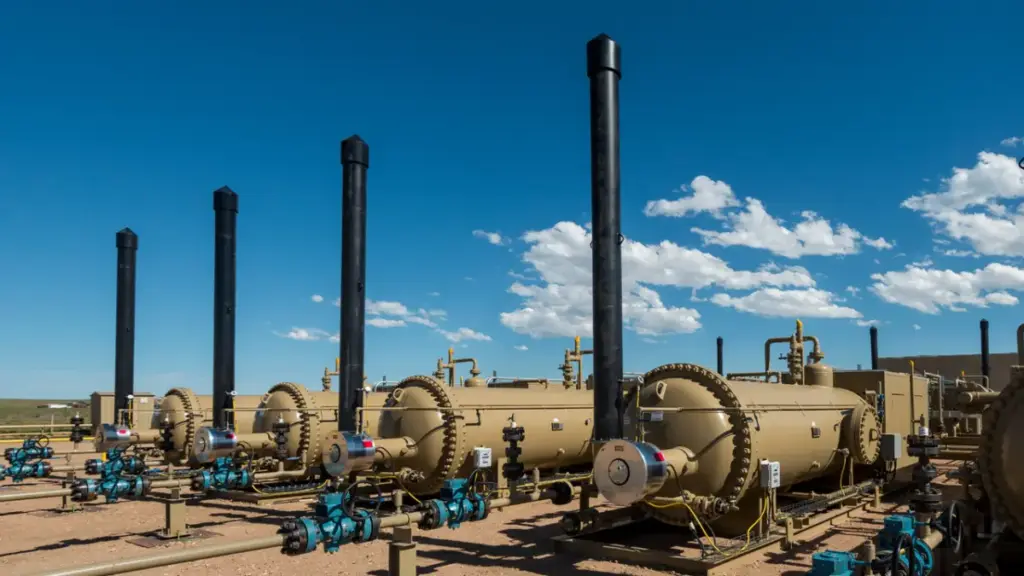
The rapidly evolving landscape of the American technology sector is poised to fundamentally reshape the nation’s energy profile over the next decade. As the proliferation of artificial intelligence and high-performance computing necessitates a massive expansion of physical infrastructure, the estimated natural gas consumption of data centers in the United States is expected to experience a massive increase. This shift comes as these facilities increasingly move away from a total reliance on the traditional electrical grid, opting instead to utilize on-site gas turbine generators to ensure the reliability and scale of their power supply. According to a recent analysis by Bloomberg, the trajectory for this energy demand has been revised upward at a staggering rate, reflecting a tech industry that is growing far faster than the existing power infrastructure can accommodate.
Current projections indicate that data centers are now expected to consume up to 15 billion cubic feet of natural gas per day by the year 2035. To put this figure into perspective, it represents a 117% increase from the previous industry forecast, which had pegged the demand at approximately 6.9 billion cubic feet per day. This dramatic revision underscores the sheer velocity of the data center boom, driven primarily by the global race to develop and deploy generative artificial intelligence models. These models require significantly more computational power than traditional cloud storage or internet services, leading to a direct and immediate impact on the fuel sources required to keep these "digital factories" operational around the clock.
The surge in natural gas demand is inextricably linked to the broader challenges facing the United States electrical grid. While many technology giants have publicly committed to ambitious carbon-neutral goals, the reality of the current energy market has forced a pragmatic, if controversial, pivot toward fossil fuels. The primary issue is one of timing and reliability. As data center developers seek to bring new facilities online in record time, they are encountering significant bottlenecks in grid interconnection. In many high-demand regions, such as Northern Virginia or the Silicon Heartland of Ohio, the wait times for a high-voltage connection to the local utility can stretch into several years. Consequently, data center operators are increasingly turning to on-site natural gas turbines as a primary or "bridge" power source. These turbines allow facilities to bypass the queue for grid access while providing the consistent, "always-on" baseload power that intermittent renewable sources like wind and solar cannot yet guarantee without massive advancements in battery storage technology.
This revised consumption forecast aligns closely with other comprehensive data center energy reports that highlight the growing strain on the nation’s resources. Supporting data suggests that by 2035, data centers will account for approximately 20% of all U.S. power consumption. This amounts to a total power requirement of about 194 gigawatts, a figure that has also seen significant upward revisions in recent months. The Bloomberg New Energy Finance (BNEF) report, which nearly doubled its previous U.S. data center power forecast to reach that 194-gigawatt mark, serves as a harbinger of the logistical and environmental hurdles that lie ahead. The scale of this demand is difficult to overstate; a 20% share of the national power supply represents a monumental shift in how energy is distributed and prioritized across the country, potentially placing tech hubs in direct competition with residential and industrial consumers for available capacity.
 Hardware Reviews & PC Building
Amazon Prime Day 2026: Final 24 Hours of Big Deal Days Feature Massive Savings on RTX 5070 Systems, Ryzen 9800X3D, and Premium Gaming Peripherals
As the clock winds down on the 2026 iteration of Amazon’s Big...
 Hardware Reviews & PC Building
BiWin Unveils CL100 Mini NVMe SSD to Address Storage Constraints in Next-Generation Gaming Handhelds
The modern landscape of PC gaming has undergone a radical transformation over...
 Hardware Reviews & PC Building
Used Hardware Purchase Leads to Unexpected Valorant Ban for German Gamer as Riot’s Vanguard Flags Secondhand CPU
The secondary market for PC components has long been a haven for...






