
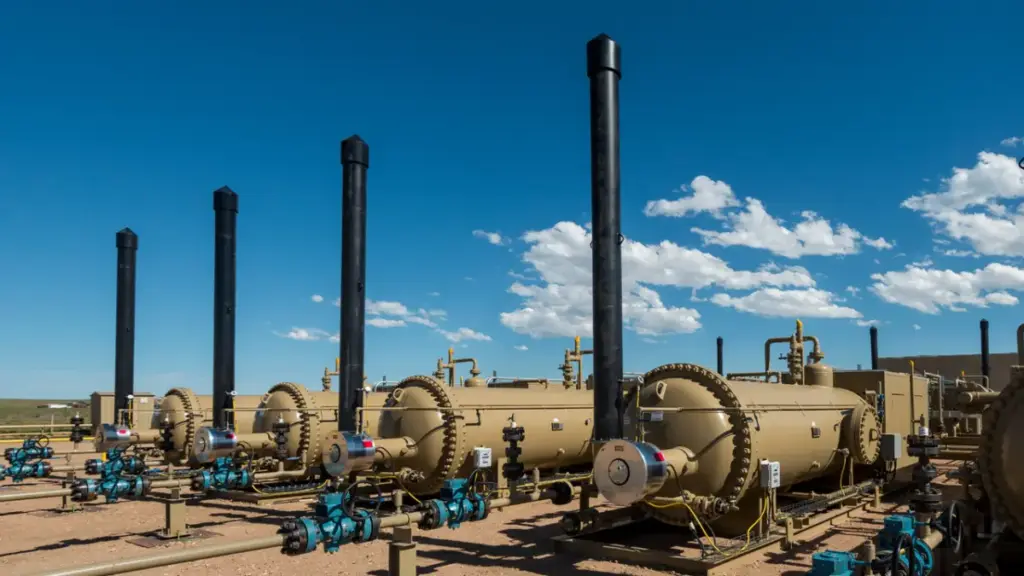
As the industry moves toward this 2035 horizon, the role of regulatory bodies and utility commissions will become increasingly pivotal. They will be tasked with balancing the economic benefits of hosting massive data center campuses—such as job creation and tax revenue—against the potential for increased utility rates and environmental degradation. Some experts suggest that the massive demand from the tech sector could eventually provide the capital necessary to accelerate the development of next-generation energy solutions, such as small modular nuclear reactors (SMRs) or advanced geothermal systems. However, in the interim, natural gas remains the only viable solution capable of scaling at the speed required by the current AI boom.
The Bloomberg report and the accompanying BNEF forecasts serve as a wake-up call for both the energy and technology sectors. The previous estimates, while substantial, failed to account for the exponential nature of AI infrastructure needs. The jump from 6.9 billion to 15 billion cubic feet of gas per day reflects a realization that the "cloud" is a very physical entity with a very traditional appetite for energy. As 2035 approaches, the success of the American digital economy will be increasingly dependent on its ability to secure and manage these vast quantities of power, making the relationship between the data center and the natural gas turbine one of the most critical industrial partnerships of the 21st century.
This evolution in energy strategy marks a departure from the early days of the internet, where data centers were seen as mere office-like buildings with high electricity bills. Today, they are evolving into industrial-scale power consumers that rival the largest manufacturing plants in history. The 20% national power consumption figure is a milestone that, if reached, will solidify the data center industry as a primary pillar of the American economy, but one that comes with a complex set of environmental and logistical trade-offs. The coming decade will likely see a frantic race to build the infrastructure necessary to support this 15 billion cubic foot daily habit, as the tech industry attempts to bridge the gap between its digital aspirations and the physical realities of the power grid.
 Hardware Reviews & PC Building
BiWin Unveils CL100 Mini NVMe SSD to Address Storage Constraints in Next-Generation Gaming Handhelds
The modern landscape of PC gaming has undergone a radical transformation over...
 Hardware Reviews & PC Building
Used Hardware Purchase Leads to Unexpected Valorant Ban for German Gamer as Riot’s Vanguard Flags Secondhand CPU
The secondary market for PC components has long been a haven for...
 Hardware Reviews & PC Building
US Video Game Hardware Sales Experience Historic Decline as PlayStation and Xbox Reach Multi-Year Lows
The United States video game industry is currently grappling with a significant...







