
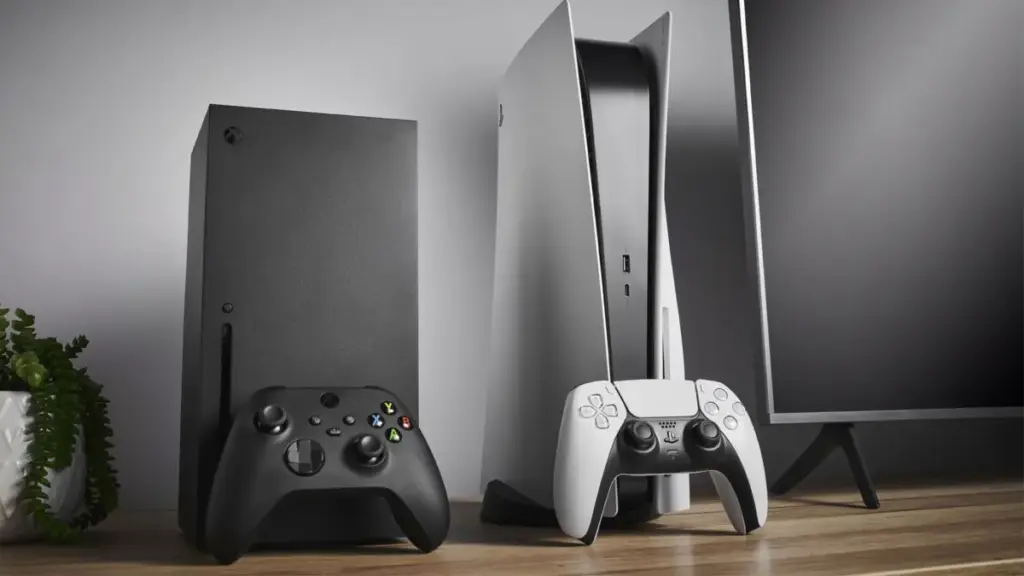
The United States video game industry is currently grappling with a significant and precipitous downturn in hardware sales, as new data reveals a sharp contraction in consumer demand for the leading home consoles. According to the latest figures from the industry tracking firm Circana, the retail landscape for gaming hardware has undergone a dramatic shift, with both Sony’s PlayStation 5 and Microsoft’s Xbox Series consoles experiencing substantial year-to-date declines through the end of August. The figures, which highlight a cooling market after years of high-octane growth and supply-chain volatility, suggest that the current console generation may be entering a challenging new phase of its lifecycle.
Mat Piscatella, a veteran video game industry advisor at Circana, recently detailed the extent of this market erosion, providing a stark look at the numbers that define the current retail environment. According to the data shared by Piscatella, hardware unit sales for the PlayStation 5 have fallen by 25% year-to-date compared to the same period in the previous year. This decline has brought PlayStation hardware sales to their lowest point since 2013. The comparison to 2013 is particularly noteworthy for industry analysts, as that year represented a major inflection point for the brand. In 2013, the PlayStation 3 was reaching the end of its primary lifecycle, and consumers were largely withholding their purchases in anticipation of the then-imminent launch of the PlayStation 4. The fact that current PlayStation 5 sales have dipped to levels reminiscent of a pre-launch transition period suggests a significant cooling of momentum for Sony’s flagship device.
While the situation for Sony reflects a notable retreat, the figures for Microsoft’s Xbox hardware are even more pronounced. Circana’s data indicates that Xbox hardware unit sales have cratered by 33% year-to-date in the United States. This decline has pushed Xbox’s retail performance to an all-time low in terms of year-to-date unit sales, a staggering statistic considering the brand’s nearly 25-year history in the gaming space. Since the original Xbox made its debut in late 2001, the platform has seen various peaks and valleys, but the current data suggests that the Xbox Series X and Series S are struggling to maintain a foothold in the domestic retail market compared to any previous iteration of the hardware at a similar point in its lifespan.
The reasons behind this widespread decline are multifaceted and reflect a combination of macroeconomic pressures, shifting consumer habits, and the natural progression of the console hardware cycle. For much of the early 2020s, the video game industry enjoyed a period of unprecedented demand, fueled in part by the global pandemic which kept consumers indoors and looking for home entertainment options. During that time, both Sony and Microsoft struggled to meet demand due to global semiconductor shortages and logistics bottlenecks. As those supply issues were resolved, there was a massive surge in sales as backlogged demand was finally satisfied. However, it appears that the market has now moved past that compensatory growth phase and into a period of stagnation.
 Hardware Reviews & PC Building
Custom Power Distribution Mod Surfaces to Tackle RTX 5090 Overheating Concerns
The launch of NVIDIA’s flagship GeForce RTX 5090 has been met with...
 Hardware Reviews & PC Building
Rising Component Costs and AI Demand Create Unprecedented Crisis for Consumer PC Market
The landscape of the consumer PC market is currently navigating a period...
 Hardware Reviews & PC Building
Save $250 on this award-winning Elegoo resin 3D printer with an integrated heater and 16K resolution — 39%…
The Saturn 4 Ultra is currently positioned as a flagship offering within...







