
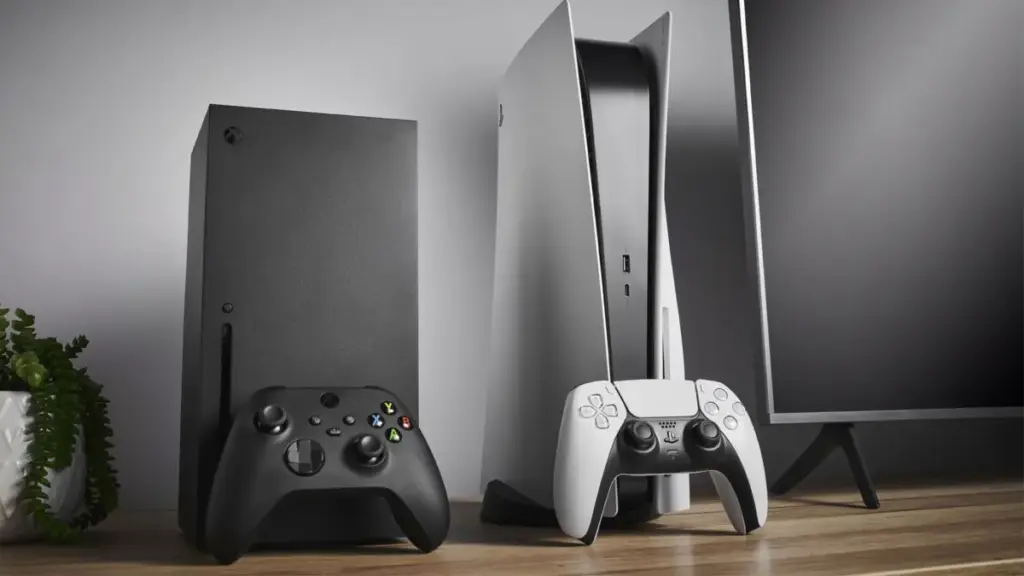
The decline in PlayStation 5 sales to 2013 levels is a point of concern for retailers who rely on hardware move-in to drive high-margin software and accessory sales. In 2013, the dip was understandable because the industry was on the cusp of a technological leap. Today, however, the PlayStation 5 is firmly in the middle of its lifecycle. The lack of a similar "next-generation" transition on the immediate horizon makes the 25% drop more difficult to categorize as a mere waiting period. Instead, it may point to a market that has reached saturation among the core enthusiast demographic, combined with a lack of compelling, system-selling exclusive titles released during the first half of the year to entice more casual observers or late adopters.
Microsoft’s situation is further complicated by the company’s evolving business strategy, which has increasingly prioritized software services and ecosystem accessibility over raw hardware sales. Through initiatives like Xbox Game Pass and the expansion of Xbox titles to PC and cloud-based platforms, Microsoft has signaled that it is less concerned with the number of black or white boxes under televisions and more focused on the total number of subscribers within its digital environment. Nevertheless, a 33% drop in hardware sales and an all-time low for the brand in the U.S. market represents a significant hurdle for the company’s physical retail presence. Hardware remains a primary gateway for many consumers into the Xbox ecosystem, and such a sharp decline in unit sales could have long-term implications for the brand’s visibility and influence at traditional retail outlets.
The broader economic environment in the United States has also likely played a role in these "cratered" sales figures. Persistent inflation and the rising cost of living have forced many households to reevaluate their discretionary spending. With the PlayStation 5 and Xbox Series X maintaining their premium price points long after their initial launches—and in some cases, seeing price increases in various global markets—the barrier to entry remains high. Unlike previous generations, where hardware prices typically saw significant cuts three or four years into the cycle, the current generation has remained stubbornly expensive to produce and purchase. This lack of a traditional "budget" entry point for the newest technology may be preventing the consoles from reaching a wider, more price-sensitive audience.
Furthermore, the competition for consumer attention has intensified. While Sony and Microsoft are seeing declines, the mobile gaming market and the enduring popularity of the Nintendo Switch—despite it being in the twilight of its own lifecycle—continue to claim a massive share of the gaming public’s time and money. Additionally, the rise of "live-service" games such as Fortnite, Roblox, and Minecraft has changed how consumers interact with hardware. These titles are designed to be played for thousands of hours over many years and are available on virtually every existing platform, including older consoles and mobile devices. For a significant portion of the gaming population, there is less perceived urgency to upgrade to the latest, most powerful hardware when their favorite, most-played games run adequately on the devices they already own.
 Hardware Reviews & PC Building
Russian Military Targets Ukrainian Data Centers in Widening Campaign Against Digital Infrastructure
The Russian military has initiated a series of targeted strikes against critical...
 Hardware Reviews & PC Building
7-year-old Nvidia Shield TV Pro gets shocking 50% price hike driven by AI memory shortage — chipmaker axes…
The Shield TV Pro has long occupied a unique position in the...
 Hardware Reviews & PC Building
Tom’s Hardware Expands Digital Reach with Launch of Official Mobile Application for Android and iOS
The landscape of technology journalism has undergone a profound transformation over the...







