
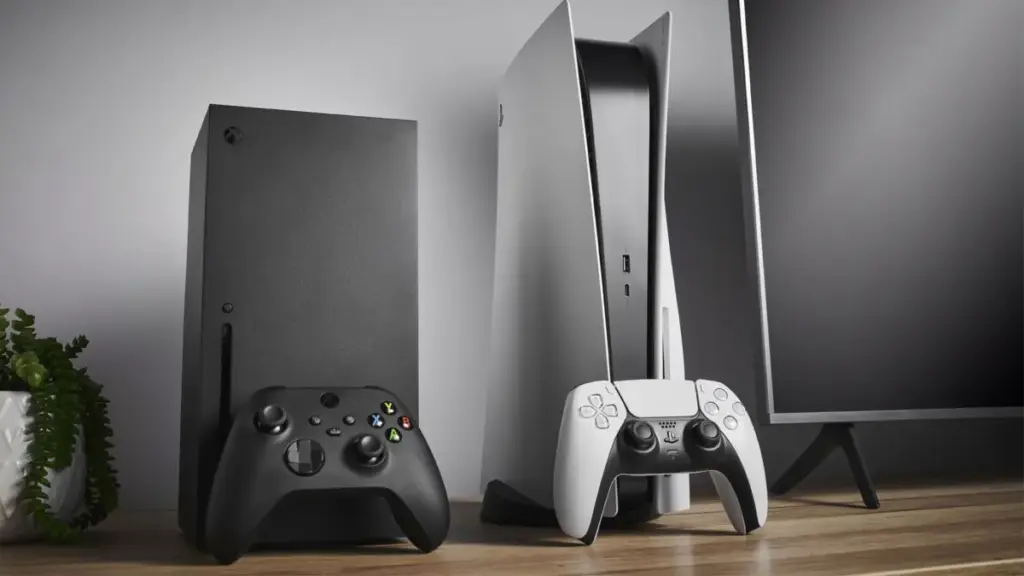
The United States video game industry is currently grappling with a significant and precipitous downturn in hardware sales, as new data reveals a sharp contraction in consumer demand for the leading home consoles. According to the latest figures from the industry tracking firm Circana, the retail landscape for gaming hardware has undergone a dramatic shift, with both Sony’s PlayStation 5 and Microsoft’s Xbox Series consoles experiencing substantial year-to-date declines through the end of August. The figures, which highlight a cooling market after years of high-octane growth and supply-chain volatility, suggest that the current console generation may be entering a challenging new phase of its lifecycle.
Mat Piscatella, a veteran video game industry advisor at Circana, recently detailed the extent of this market erosion, providing a stark look at the numbers that define the current retail environment. According to the data shared by Piscatella, hardware unit sales for the PlayStation 5 have fallen by 25% year-to-date compared to the same period in the previous year. This decline has brought PlayStation hardware sales to their lowest point since 2013. The comparison to 2013 is particularly noteworthy for industry analysts, as that year represented a major inflection point for the brand. In 2013, the PlayStation 3 was reaching the end of its primary lifecycle, and consumers were largely withholding their purchases in anticipation of the then-imminent launch of the PlayStation 4. The fact that current PlayStation 5 sales have dipped to levels reminiscent of a pre-launch transition period suggests a significant cooling of momentum for Sony’s flagship device.
While the situation for Sony reflects a notable retreat, the figures for Microsoft’s Xbox hardware are even more pronounced. Circana’s data indicates that Xbox hardware unit sales have cratered by 33% year-to-date in the United States. This decline has pushed Xbox’s retail performance to an all-time low in terms of year-to-date unit sales, a staggering statistic considering the brand’s nearly 25-year history in the gaming space. Since the original Xbox made its debut in late 2001, the platform has seen various peaks and valleys, but the current data suggests that the Xbox Series X and Series S are struggling to maintain a foothold in the domestic retail market compared to any previous iteration of the hardware at a similar point in its lifespan.
The reasons behind this widespread decline are multifaceted and reflect a combination of macroeconomic pressures, shifting consumer habits, and the natural progression of the console hardware cycle. For much of the early 2020s, the video game industry enjoyed a period of unprecedented demand, fueled in part by the global pandemic which kept consumers indoors and looking for home entertainment options. During that time, both Sony and Microsoft struggled to meet demand due to global semiconductor shortages and logistics bottlenecks. As those supply issues were resolved, there was a massive surge in sales as backlogged demand was finally satisfied. However, it appears that the market has now moved past that compensatory growth phase and into a period of stagnation.
The decline in PlayStation 5 sales to 2013 levels is a point of concern for retailers who rely on hardware move-in to drive high-margin software and accessory sales. In 2013, the dip was understandable because the industry was on the cusp of a technological leap. Today, however, the PlayStation 5 is firmly in the middle of its lifecycle. The lack of a similar "next-generation" transition on the immediate horizon makes the 25% drop more difficult to categorize as a mere waiting period. Instead, it may point to a market that has reached saturation among the core enthusiast demographic, combined with a lack of compelling, system-selling exclusive titles released during the first half of the year to entice more casual observers or late adopters.
Microsoft’s situation is further complicated by the company’s evolving business strategy, which has increasingly prioritized software services and ecosystem accessibility over raw hardware sales. Through initiatives like Xbox Game Pass and the expansion of Xbox titles to PC and cloud-based platforms, Microsoft has signaled that it is less concerned with the number of black or white boxes under televisions and more focused on the total number of subscribers within its digital environment. Nevertheless, a 33% drop in hardware sales and an all-time low for the brand in the U.S. market represents a significant hurdle for the company’s physical retail presence. Hardware remains a primary gateway for many consumers into the Xbox ecosystem, and such a sharp decline in unit sales could have long-term implications for the brand’s visibility and influence at traditional retail outlets.
The broader economic environment in the United States has also likely played a role in these "cratered" sales figures. Persistent inflation and the rising cost of living have forced many households to reevaluate their discretionary spending. With the PlayStation 5 and Xbox Series X maintaining their premium price points long after their initial launches—and in some cases, seeing price increases in various global markets—the barrier to entry remains high. Unlike previous generations, where hardware prices typically saw significant cuts three or four years into the cycle, the current generation has remained stubbornly expensive to produce and purchase. This lack of a traditional "budget" entry point for the newest technology may be preventing the consoles from reaching a wider, more price-sensitive audience.
Furthermore, the competition for consumer attention has intensified. While Sony and Microsoft are seeing declines, the mobile gaming market and the enduring popularity of the Nintendo Switch—despite it being in the twilight of its own lifecycle—continue to claim a massive share of the gaming public’s time and money. Additionally, the rise of "live-service" games such as Fortnite, Roblox, and Minecraft has changed how consumers interact with hardware. These titles are designed to be played for thousands of hours over many years and are available on virtually every existing platform, including older consoles and mobile devices. For a significant portion of the gaming population, there is less perceived urgency to upgrade to the latest, most powerful hardware when their favorite, most-played games run adequately on the devices they already own.
The data provided by Piscatella and Circana serves as a sobering reminder of the volatility inherent in the hardware business. For decades, the industry has relied on a predictable "razor and blade" model, where hardware is sold to establish a user base that then generates consistent revenue through software purchases. If the hardware foundation begins to shrink or erode prematurely, the entire economic structure of the console industry faces new pressures. Developers and publishers, who make multi-million dollar bets on software titles years in advance, require a growing and vibrant hardware install base to ensure a return on their investments. A 25% to 33% drop in the velocity of new users entering the ecosystem is a trend that will be closely watched by every major stakeholder in the industry.
As the industry moves toward the critical fourth-quarter holiday shopping season, the focus will shift to whether Sony and Microsoft can implement strategies to reverse these downward trends. Historical precedents suggest that aggressive bundling, high-profile software releases, and potential hardware revisions are the primary levers available to platform holders looking to jumpstart sales. However, the current figures suggest that it will take more than a standard marketing push to return to previous heights. The "all-time low" status for Xbox and the "lowest since 2013" benchmark for PlayStation indicate that the market is currently in a state of significant recalibration.
The retail sector, which has already been under pressure from the digital transformation of game distribution, will feel the impact of these numbers most acutely. Physical retailers rely on hardware launches and the subsequent foot traffic they generate to sustain their business models. With hardware sales cratering, the importance of the upcoming release slate and the potential for new hardware announcements becomes even more paramount. The industry is now looking toward the end of the year to see if this is a temporary slump or a fundamental shift in the console gaming landscape.
Ultimately, the report from Circana paints a picture of a hardware market at a crossroads. The explosive growth of the early 2020s has given way to a stark reality where even the most established brands are seeing double-digit percentage drops in their core business. As Mat Piscatella’s data suggests, the U.S. video game market is currently navigating a period of contraction that has not been seen in over a decade for Sony, and has never been seen to this extent for Microsoft’s Xbox. Whether this represents a saturation of the current market or a broader shift in how consumers value dedicated gaming hardware will be the defining question for the industry as it looks toward the future.
 Hardware Reviews & PC Building
Australian Government Orders Urgent Security Review After OpenAI Agent Bypasses Medicare Portal Protections
In a significant development concerning the intersection of artificial intelligence and national...
 Hardware Reviews & PC Building
Amazon Prime Day 2026: Final 24 Hours of Big Deal Days Feature Massive Savings on RTX 5070 Systems, Ryzen 9800X3D, and Premium Gaming Peripherals
As the clock winds down on the 2026 iteration of Amazon’s Big...
 Hardware Reviews & PC Building
Intel Shifts Strategic Focus to Trust Domain Extensions as Software Guard Extensions Era Nears its Conclusion
In a significant realignment of its long-term data center security roadmap, Intel...







