
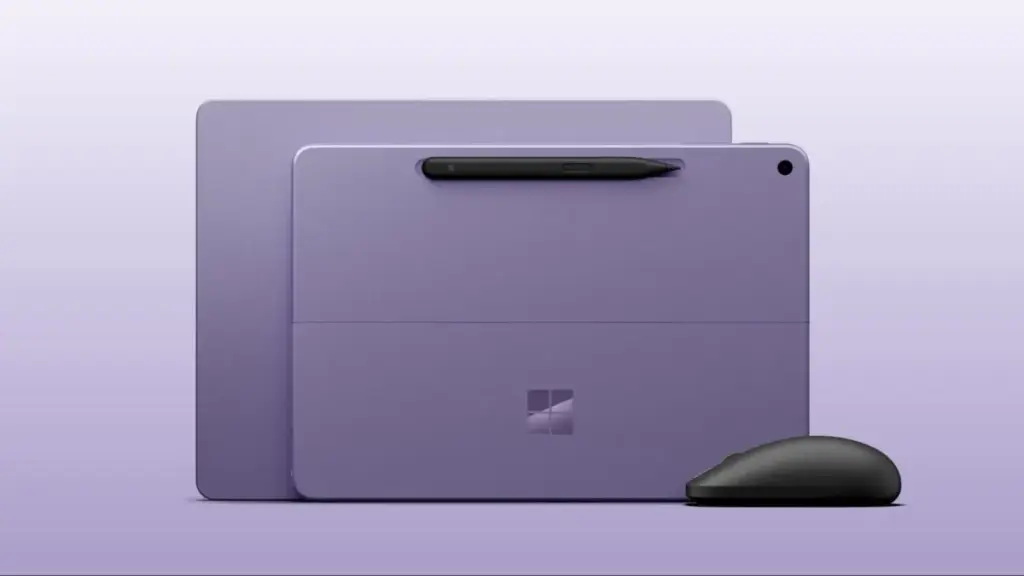
The broader implications for the Windows ecosystem are also significant. For years, the "entry-level" experience on Windows was often characterized by compromised performance and mediocre battery life, especially in the more affordable price brackets. By moving the baseline of the Surface Pro and Surface Laptop to the Snapdragon X2 Plus, Microsoft is attempting to redefine the standard for the Windows experience. The 80 TOPS NPU is not just a specification; it is a requirement for the new class of "Copilot+" features that Microsoft is marketing as the future of productivity. These features, which include advanced image manipulation, real-time language translation, and intelligent search capabilities, require the kind of dedicated hardware that the X2 Plus provides.
Despite the excitement surrounding the technical specifications, the market reaction to the pricing will be a crucial factor in the success of these new models. The jump from $799 to $1,149 for the Surface Pro is a significant hurdle for many potential buyers. It remains to be seen if the promise of 80 TOPS and the efficiency of the Snapdragon X2 Plus will be enough to justify the higher cost in the eyes of consumers who previously looked to these models as a gateway into the Surface ecosystem. Microsoft appears to be betting that the "AI PC" is a category worth paying for, and that the performance gains offered by the new Qualcomm silicon will ultimately outweigh the sticker shock.
As the October 13 launch approaches, the tech community will be looking closely at how these devices perform in real-world scenarios. The transition from the first-generation Snapdragon X Plus to the X2 Plus is a major milestone in the evolution of Windows on ARM, and the 12-inch Surface Pro and 13-inch Surface Laptop are the first real tests of this new hardware tier. While the price increase is undeniable, Microsoft’s focus on high-end NPU performance suggests a long-term strategy where the value of a computer is measured by its ability to process the complex algorithms of the modern AI era. By upgrading its lowest-end computers with such powerful silicon, Microsoft is making it clear that, in its vision of the future, there is no room for underpowered hardware, even at the entry level.
 Hardware Reviews & PC Building
Tom’s Hardware Expands Digital Reach with Launch of Official Mobile Application for Android and iOS
The landscape of technology journalism has undergone a profound transformation over the...
 Hardware Reviews & PC Building
Custom Power Distribution Mod Surfaces to Tackle RTX 5090 Overheating Concerns
The launch of NVIDIA’s flagship GeForce RTX 5090 has been met with...
 Hardware Reviews & PC Building
Used Hardware Purchase Leads to Unexpected Valorant Ban for German Gamer as Riot’s Vanguard Flags Secondhand CPU
The secondary market for PC components has long been a haven for...







