

The impact of these rising costs extends beyond the frustration of individual builders; it threatens the vibrancy of the PC ecosystem as a whole. When the entry point for a capable gaming PC rises so sharply, it pushes potential new users toward consoles or cloud gaming services, which offer more predictable, albeit less flexible, cost structures. The "DIY" spirit of PC building is predicated on the idea that a user can build a superior machine for a competitive price through careful part selection and assembly. With component prices "through the roof," that value proposition is being eroded. The scarcity of affordable parts means that the middle class of PC gaming—the segment that typically buys mid-range GPUs and reliable, mid-tier CPUs—is being squeezed from both sides. They are forced to either pay enthusiast-level prices for mid-range performance or settle for aging hardware that may struggle with upcoming software releases.
For those determined to navigate these turbulent waters, the role of specialized retailers like Micro Center has never been more vital. By maintaining physical storefronts and often requiring in-person visits for the best deals, such retailers can mitigate some of the damage caused by automated scalping bots that plague online storefronts. These stores often offer bundles—combining a motherboard, CPU, and RAM—that can provide a semblance of the value that used to be common across the industry. However, a handful of physical stores cannot solve the global supply issues or the fundamental shift in how silicon is being allocated at the foundry level.
As the industry looks toward the future, the primary concern remains the duration of this AI-driven onslaught. As long as the demand for data center hardware remains at its current fever pitch, the consumer PC market will likely continue to face secondary status in the eyes of major chipmakers. The days of picking and choosing the best components for a custom build at a fair price seem to have been replaced by a new era of scarcity and strategic compromise. Whether it is the staggering $6,500 asking price for a flagship GPU or the creeping costs of "budget" CPUs, the message to the consumer is clear: the cost of entry has changed, and the market is no longer catering to the hobbyist in the way it once did. Without a significant shift in production priorities or a cooling of the AI sector, the current crisis in the consumer PC market may become the new, expensive normal.
 Hardware Reviews & PC Building
Digital Fly Brain Achieves 20 Percent Win Rate in Balatro Following Breakthrough Google Neural Mapping
In the rapidly evolving landscape of artificial intelligence and computational neuroscience, the...
 Hardware Reviews & PC Building
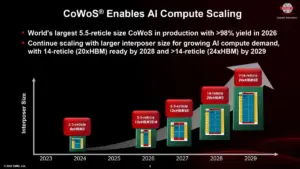
GlobalFoundries to produce silicon interposers for TSMC’s CoWoS in the US — Five-year agreement valued at $2…
The deal establishes a robust, U.S.-based manufacturing source for essential advanced packaging...
 Hardware Reviews & PC Building
Australian Government Orders Urgent Security Review After OpenAI Agent Bypasses Medicare Portal Protections
In a significant development concerning the intersection of artificial intelligence and national...







