
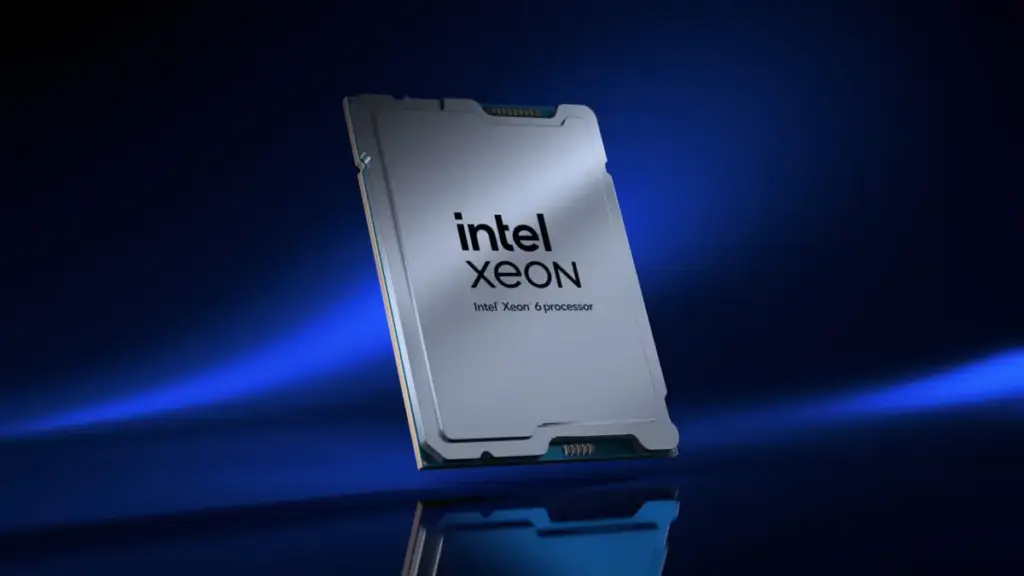
In a significant realignment of its long-term data center security roadmap, Intel has officially announced plans to phase out its Software Guard Extensions (SGX) technology on mainstream server platforms. This transition marks a pivotal moment for the semiconductor giant as it moves to consolidate its confidential computing efforts around Trust Domain Extensions (TDX). According to the company, the upcoming Xeon "Diamond Rapids" processors will represent the final generation of mainstream server CPUs to support the SGX architecture. Following this release, Intel will direct its engineering resources and security focus toward the evolving requirements of cloud computing, large-scale enterprise workloads, and the burgeoning field of agentic artificial intelligence.
The decision to sunset SGX in the mainstream server market comes just five years after Intel first brought the technology to its high-end Xeon scalable platforms. While the move represents a departure from a technology that was once considered the gold standard for granular hardware security, it reflects a broader industry shift toward more scalable, flexible, and developer-friendly confidential computing environments. Intel has emphasized that this is a managed transition, confirming that support for existing SGX-enabled platforms will continue well into the early 2030s, ensuring that organizations with current deployments have a decade-long runway to maintain their security posture or plan their eventual migration.
To understand the weight of this strategic pivot, one must look at the foundational differences between SGX and TDX. When SGX was first introduced, it was hailed as a revolutionary approach to the "black box" problem of data processing. It allowed developers to create "enclaves"—protected areas of execution in memory that were isolated from the rest of the system. Even if the operating system, hypervisor, or a malicious actor with physical access to the server were compromised, the data inside the SGX enclave remained encrypted and inaccessible. This provided a level of hardware-rooted security that was unprecedented at the time.
However, the implementation of SGX came with significant operational hurdles. Because SGX required a granular, application-level approach to security, developers were often forced to rewrite portions of their software to utilize the technology effectively. The management of the Enclave Page Cache (EPC), which was limited in size in earlier iterations, also created performance bottlenecks for memory-intensive applications. While these constraints were manageable for specialized use cases, they proved to be a barrier to entry for the rapid, massive-scale deployments required by modern cloud service providers.
In contrast, Intel’s Trust Domain Extensions (TDX) represent a more holistic approach to confidential computing. Rather than isolating specific pieces of code within an application, TDX is designed to isolate entire virtual machines (VMs). By creating "Trust Domains," TDX allows organizations to run existing applications and operating systems in a secure, hardware-isolated environment without the need for extensive code modifications. This "lift and shift" capability makes TDX far more attractive to cloud providers and enterprise customers who need to secure massive workloads across thousands of servers with minimal friction.
The timing of this transition is closely tied to the shifting landscape of global data sovereignty and the rapid integration of artificial intelligence into the corporate workflow. Organizations today are facing an increasingly complex regulatory environment, where laws such as the GDPR in Europe and various data privacy acts in the United States and Asia mandate strict controls over how sensitive information is handled. As more companies move their sensitive data to third-party cloud infrastructure, the demand for "confidential computing"—the ability to protect data not just at rest or in transit, but while it is actively being processed—has moved from a niche requirement to a core business necessity.
Intel’s decision to double down on TDX is a direct response to these market pressures. By expanding TDX capabilities, Intel aims to provide a security framework that can handle the massive datasets and high-compute demands of modern enterprise workloads. This is particularly relevant in the context of agentic AI, a subset of artificial intelligence where autonomous agents are empowered to make decisions and take actions on behalf of users. These agents often require access to highly sensitive personal or corporate data to function effectively. Protecting the integrity of these AI models and the privacy of the data they consume requires a robust, scalable security architecture that can be deployed across vast cloud networks—a role that TDX is specifically designed to fill.
The industry’s move toward VM-level isolation is not unique to Intel. The broader ecosystem, including competitors like AMD with its Secure Encrypted Virtualization (SEV-SNP) and ARM with its Confidential Compute Architecture (CCA), has largely moved toward the same model of protecting entire execution environments. By aligning its mainstream server strategy with TDX, Intel is ensuring that its hardware remains the preferred foundation for the next generation of secure cloud infrastructure.
While the "Diamond Rapids" CPUs will be the last to feature SGX in the mainstream server segment, Intel’s commitment to supporting the technology through the early 2030s is a critical concession to the sectors that have built their entire security stacks on the enclave model. Financial services, healthcare, and specialized government agencies have invested heavily in SGX-optimized software. For these users, the extended support window provides the necessary stability to continue operations while evaluating how the broader capabilities of TDX might eventually serve their needs.
Furthermore, Intel has signaled that the evolution of TDX will involve more than just VM isolation. As the technology matures, Intel plans to introduce enhancements that address the specific needs of multi-party computation and secure data clean rooms—environments where multiple organizations can analyze combined datasets without ever revealing their individual raw data to one another. These use cases are becoming increasingly vital in fields like medical research and financial fraud detection, where the value of shared data is high but the privacy risks are equally significant.
The transition also addresses some of the historical vulnerabilities that plagued earlier hardware-level security implementations. Over the years, researchers identified various side-channel attacks that could, under specific conditions, leak information from secure enclaves. By moving toward the TDX architecture, Intel is leveraging lessons learned from these challenges to build a more resilient system that integrates security more deeply into the hardware-software interface.
As the industry prepares for the arrival of "Diamond Rapids," the focus will increasingly turn to how quickly developers and cloud architects can adapt to the TDX-centric future. Intel’s role will not only be as a hardware provider but as a facilitator for the Confidential Computing Consortium and other industry bodies working to standardize these security practices. The goal is to create an environment where confidential computing is no longer a premium feature for specialized tasks, but a default state for all computing in the cloud.
The phase-out of SGX on mainstream servers does not necessarily mean the end of the technology in its entirety. It has historically found homes in various segments of the market, including edge computing and specialized workstations. However, for the high-volume, high-stakes world of the modern data center, Intel has made its choice clear. The future is built on Trust Domains.
Ultimately, this move reflects a maturation of the confidential computing market. The early years were defined by experimentation and the search for the right balance between security and usability. SGX was a pioneer in that era, proving that hardware-based isolation was possible and effective. But as the scale of the cloud grew and the complexity of AI workloads exploded, the need for a more seamless, scalable solution became undeniable. By transitioning to TDX, Intel is betting that the path to true data sovereignty and secure AI lies in protecting the entire environment, providing a foundation that is as powerful as it is invisible to the end-user.
As we look toward the 2030s, the legacy of SGX will likely be seen in the robust security standards that follow it. The lessons learned from the enclave model have paved the way for the more flexible, VM-based protections that will define the next decade of enterprise computing. For now, the industry watches as Intel executes one of its most significant architectural shifts in recent memory, moving toward a future where the privacy of data during processing is a fundamental guarantee of the hardware itself.
 Hardware Reviews & PC Building
Thieves Targeting High-Value AI Hardware Left with Tons of Sand After Hijacking Nvidia-Branded Trailers
In an era where artificial intelligence has become the primary driver of...
 Hardware Reviews & PC Building
Tom’s Hardware Expands Digital Reach with Launch of Official Mobile Application for Android and iOS
The landscape of technology journalism has undergone a profound transformation over the...
 Hardware Reviews & PC Building
Microsoft brings Snapdragon X2 Plus to 13-inch Surface Laptop, 12-inch Surface Pro — low-end systems finally get…
The introduction of the Snapdragon X2 Plus represents a substantial leap over...







