
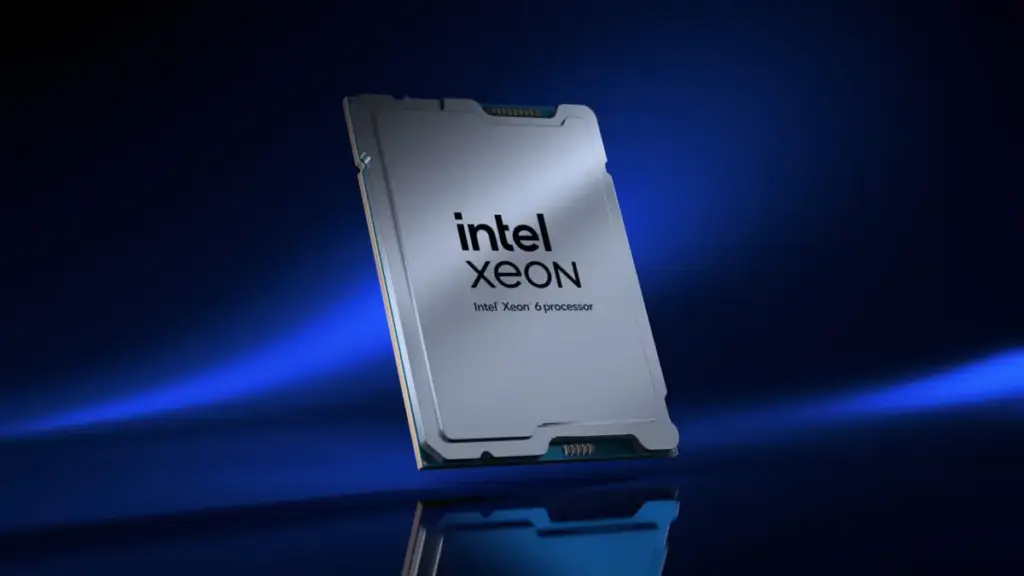
The timing of this transition is closely tied to the shifting landscape of global data sovereignty and the rapid integration of artificial intelligence into the corporate workflow. Organizations today are facing an increasingly complex regulatory environment, where laws such as the GDPR in Europe and various data privacy acts in the United States and Asia mandate strict controls over how sensitive information is handled. As more companies move their sensitive data to third-party cloud infrastructure, the demand for "confidential computing"—the ability to protect data not just at rest or in transit, but while it is actively being processed—has moved from a niche requirement to a core business necessity.
Intel’s decision to double down on TDX is a direct response to these market pressures. By expanding TDX capabilities, Intel aims to provide a security framework that can handle the massive datasets and high-compute demands of modern enterprise workloads. This is particularly relevant in the context of agentic AI, a subset of artificial intelligence where autonomous agents are empowered to make decisions and take actions on behalf of users. These agents often require access to highly sensitive personal or corporate data to function effectively. Protecting the integrity of these AI models and the privacy of the data they consume requires a robust, scalable security architecture that can be deployed across vast cloud networks—a role that TDX is specifically designed to fill.
The industry’s move toward VM-level isolation is not unique to Intel. The broader ecosystem, including competitors like AMD with its Secure Encrypted Virtualization (SEV-SNP) and ARM with its Confidential Compute Architecture (CCA), has largely moved toward the same model of protecting entire execution environments. By aligning its mainstream server strategy with TDX, Intel is ensuring that its hardware remains the preferred foundation for the next generation of secure cloud infrastructure.
While the "Diamond Rapids" CPUs will be the last to feature SGX in the mainstream server segment, Intel’s commitment to supporting the technology through the early 2030s is a critical concession to the sectors that have built their entire security stacks on the enclave model. Financial services, healthcare, and specialized government agencies have invested heavily in SGX-optimized software. For these users, the extended support window provides the necessary stability to continue operations while evaluating how the broader capabilities of TDX might eventually serve their needs.
Furthermore, Intel has signaled that the evolution of TDX will involve more than just VM isolation. As the technology matures, Intel plans to introduce enhancements that address the specific needs of multi-party computation and secure data clean rooms—environments where multiple organizations can analyze combined datasets without ever revealing their individual raw data to one another. These use cases are becoming increasingly vital in fields like medical research and financial fraud detection, where the value of shared data is high but the privacy risks are equally significant.
 Hardware Reviews & PC Building
US Video Game Hardware Sales Experience Historic Decline as PlayStation and Xbox Reach Multi-Year Lows
The United States video game industry is currently grappling with a significant...
 Hardware Reviews & PC Building
Rising Component Costs and AI Demand Create Unprecedented Crisis for Consumer PC Market
The landscape of the consumer PC market is currently navigating a period...
 Hardware Reviews & PC Building
7-year-old Nvidia Shield TV Pro gets shocking 50% price hike driven by AI memory shortage — chipmaker axes…
The Shield TV Pro has long occupied a unique position in the...







