
The AI boom has created an insatiable demand for high-performance silicon, particularly graphics processing units and specialized accelerators. As tech giants and data centers scramble to secure the hardware necessary to train large language models and run complex neural networks, the secondary effect on the consumer market has been a steady upward pressure on prices. For the individual builder, this means that the stakes have never been higher. When the cost of a mid-to-high-range graphics card can rival that of a used car, the act of assembly transitions from a casual weekend project into a high-stakes technical operation. Every screw tightened and every cable routed represents an investment in a machine that is expected to perform reliably for years to come.
Despite these economic hurdles, the process of building a PC remains a thrill that is difficult to replicate with off-the-shelf alternatives. It begins long before the first box arrives at the doorstep. The research phase is a journey of weighing pros and cons, comparing clock speeds against thermal envelopes, and ensuring that every component—from the NVMe drive to the power supply—works in perfect harmony. There is a specific intellectual satisfaction in navigating the compatibility mazes of modern motherboards and cases, ensuring that the chosen cooling solution fits within the physical constraints of the chassis. This preparatory stage is where the builder’s vision takes shape, evolving from a list of parts into a conceptual machine designed to meet specific needs, whether those involve high-end gaming, creative professional work, or the management of a complex homelab.
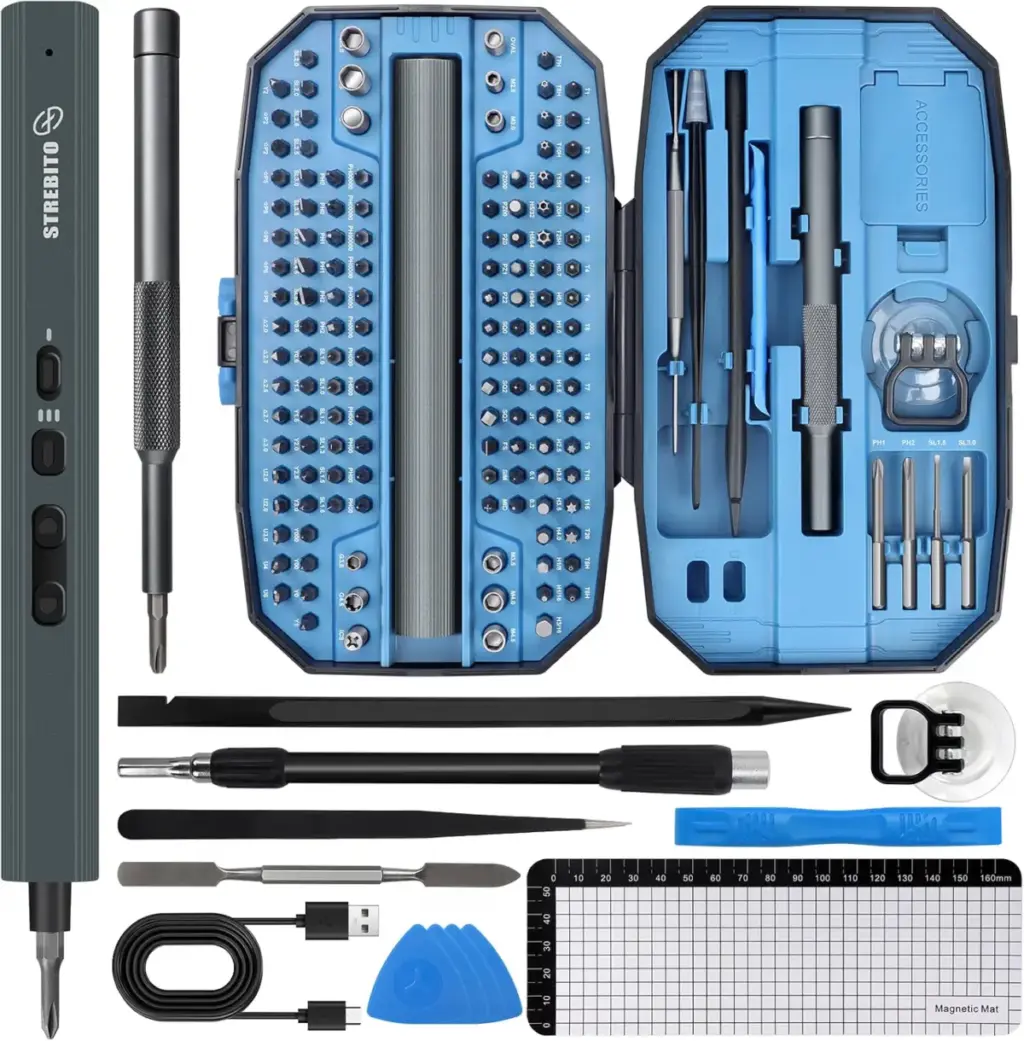
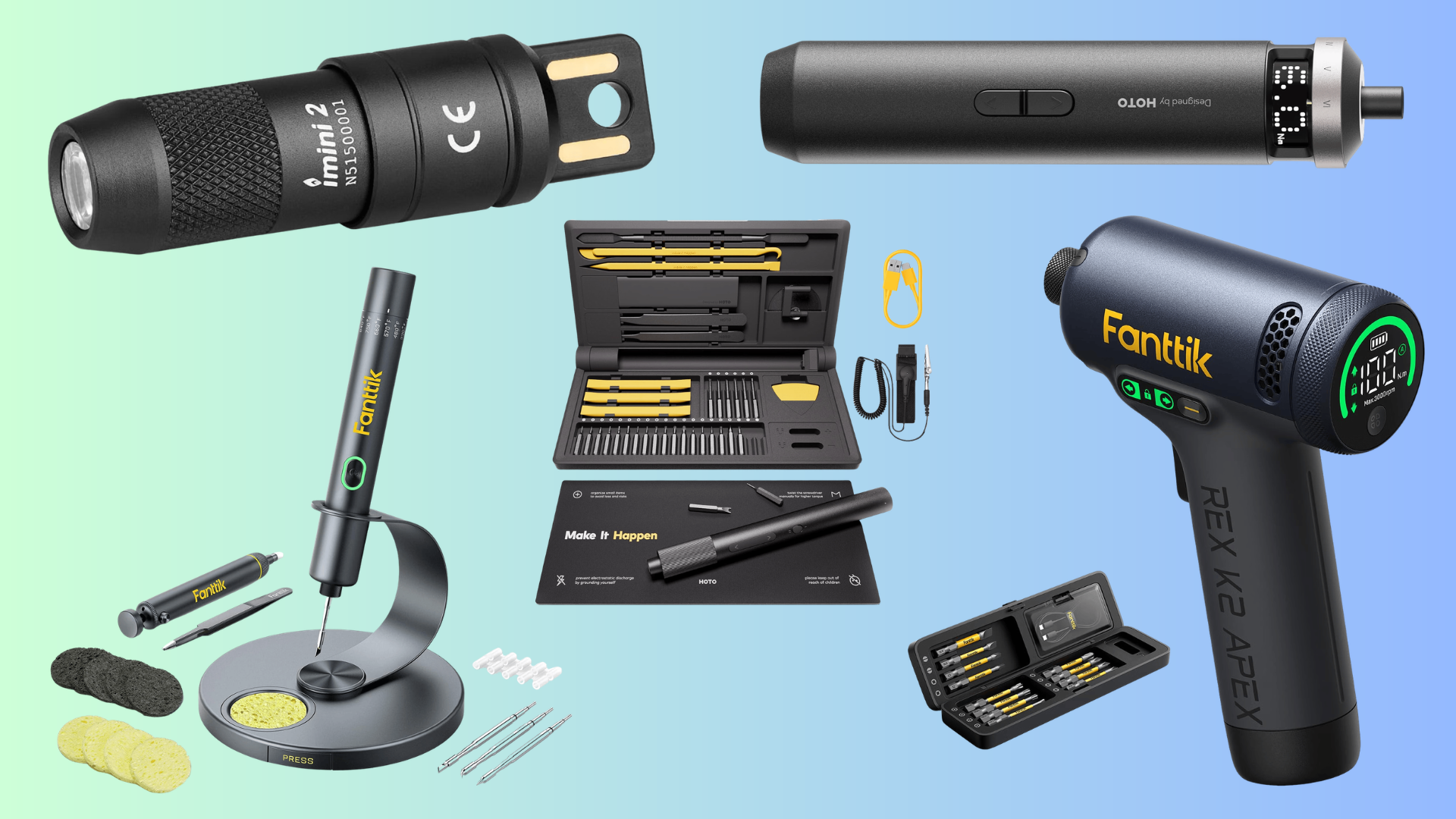
Once the components are gathered, the physical assembly begins, and it is here that the importance of a proper toolkit becomes undeniable. A PC is a precision instrument, and treating it as such requires more than just a standard household screwdriver. The evolution of the builder’s toolkit often mirrors their experience in the hobby. Experienced builders understand that the right tools do not just make the job easier; they protect the hardware and ensure a level of precision that prevents long-term mechanical issues. A go-to tool for many today is a high-quality precision driver, such as those produced by Hoto, which offers the necessary torque control and bit variety to handle everything from bulky case screws to the microscopic fasteners found on M.2 heatsinks.
Building a toolkit is a gradual process of discovery. It often starts with a single magnetic screwdriver, but it quickly expands as the builder realizes the limitations of basic equipment. Beyond the primary driver, a comprehensive kit should include tools for maintenance, cleaning, and repair. A PC is a living system that requires ongoing care to maintain its peak performance. Dust is the perennial enemy of high-performance electronics, and while canned air was once the standard, the modern enthusiast often opts for electric dusters. These devices provide a sustainable and powerful way to clear out the intricate fins of a CPU cooler or the shrouded fans of a GPU without the environmental impact or the moisture risks associated with chemical propellants.
The utility of these tools extends far beyond the initial assembly. A well-maintained PC is one that is cleaned regularly, and a toolkit that includes high-quality flashlights is essential for this task. Working inside a dark computer case, even one with integrated RGB lighting, can be a challenge. Portable, high-intensity lights from manufacturers like Olight allow a builder to inspect the pins on a CPU socket or check for the proper seating of a power connector in the deepest recesses of the chassis. These tools provide the visibility necessary to avoid the small errors that can lead to catastrophic failures during the first boot.
The moment of truth in any build is the first boot test. It is a universal experience among builders: that split second of bated breath after pressing the power button for the first time. The silence of the room is filled only by the initial spin of the fans, and the builder watches the motherboard’s diagnostic LEDs or waits for the monitor to flicker to life. The relief of seeing the BIOS splash screen, rather than hearing the dreaded series of beeps that signify a hardware error, is a unique high. It is the validation of all the research and careful labor that preceded it. If the screen remains blank, the toolkit comes back into play, as the builder must systematically troubleshoot each component to find the culprit, a process that requires patience and the right diagnostic equipment.
This culture of tinkering often spills over into other areas of life. For those who enjoy the modularity and logic of PC building, the skills acquired are highly transferable. A toolkit designed for electronics is frequently just as useful for home renovation projects or the maintenance of other household gadgets. The precision required to install a delicate processor is the same precision needed for fine electrical work or the assembly of modern smart home devices. This versatility is a hallmark of the tech enthusiast’s lifestyle. Whether it is managing a homelab—a miniature data center in the closet—or fixing a broken appliance, the methodical approach to problem-solving remains the same.
The longevity of a custom-built PC is another factor that justifies the investment in quality tools and components. Unlike many consumer electronics that are designed with planned obsolescence in mind, a well-built PC is inherently upgradable. A builder who invests in a high-quality case and a robust power supply today can reasonably expect those components to last through several generations of internal hardware. This sustainability is a core tenet of the building community. When a system begins to show its age, the owner does not simply discard the entire machine. Instead, they return to their toolkit, open the case, and replace the aging components with newer, more efficient technology. This cycle of renewal is both economically sensible and environmentally responsible, especially in a market where the cost of new hardware continues to climb.
As the industry moves forward, the relationship between the builder and their machine will likely continue to evolve. The integration of AI into more consumer-level applications may change the types of hardware we prioritize, perhaps placing a greater emphasis on NPU performance or specialized memory configurations. However, the physical act of building will remain a tactile, hands-on experience. The tools we use—the screwdrivers, the lights, the dusters, and the screw kits—are the physical manifestation of our connection to the technology. They allow us to move beyond being mere consumers of tech and become creators and maintainers of our own digital infrastructure.
Ultimately, the joy of building a PC lies in the combination of technical challenge and creative freedom. Even as the AI boom reshapes the global economy and drives up the price of high-end components, the value of a custom-built machine remains high. It is a testament to the enduring appeal of the craft that people continue to seek out the best tools and the latest hardware, driven by a desire to understand and master the machines that power our modern world. Whether it is for the thrill of the first boot, the satisfaction of a perfectly cable-managed interior, or the peace of mind that comes with knowing your hardware is well-maintained, the journey of the PC builder is one of constant learning and refinement. In an increasingly digital age, there is something profoundly grounding about the simple act of picking up a screwdriver and building something that works.
 Hardware Reviews & PC Building
TSMC reportedly weighs 20% CoWoS price increase as Nvidia Blackwell and Rubin chips put pressure on packaging capacity…
The reported price adjustment reflects a complex interplay of market forces, including...
 Hardware Reviews & PC Building
Amazon Prime Day 2026: Final 24 Hours of Big Deal Days Feature Massive Savings on RTX 5070 Systems, Ryzen 9800X3D, and Premium Gaming Peripherals
As the clock winds down on the 2026 iteration of Amazon’s Big...
 Hardware Reviews & PC Building
AMD Details EPYC Venice Benchmarks in Strategic Challenge to Nvidia and Intel
In a significant expansion of its data center strategy, AMD has released...







