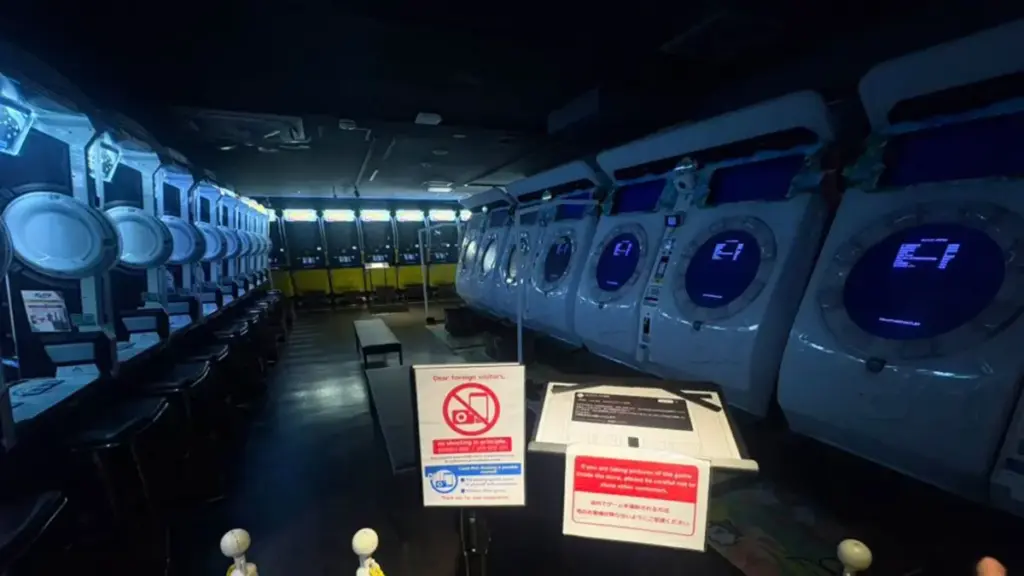
The neon-lit streets of Japanese entertainment districts, from the bustling alleys of Akihabara to the vibrant corners of Shinjuku, are defined by a specific, almost chaotic symphony of sound. For decades, the Japanese "game center" has been a bastion of sensory overload—a dense atmosphere of electronic music, the rhythmic clacking of arcade sticks, the high-pitched chirps of prize machines, and the booming announcements of competitive multiplayer titles. However, that iconic wall of sound was replaced by an eerie, unsettling silence this week as a massive technical failure crippled some of the nation’s most prominent gaming venues.
According to reports from ITMedia News, a widespread system outage has left rows of high-tech cabinets dark, transforming bustling social hubs into corridors of silent black screens. The failure, which initially appeared to be isolated to Sega’s infrastructure, has proven to be much more expansive. While early reports focused on the "no end in sight" nature of the Sega system collapse, subsequent updates from network operators have revealed a much broader crisis affecting the very backbone of the modern Japanese arcade industry.
The scale of the disruption became clearer following a series of communications from ALL.net, a critical arcade network infrastructure operated by Sega and utilized by multiple major developers. The network is the digital lifeblood of the contemporary arcade experience, providing the connectivity required for everything from global leaderboards and player save data to real-time multiplayer matchmaking and digital payment processing. In a recent update, ALL.net confirmed that the outage was not limited to Sega-branded titles but had also significantly impacted Bandai Namco machines, effectively sidelining the two largest titans of the Japanese arcade market simultaneously.
For the uninitiated, the modern Japanese arcade operates very differently from the nostalgic, offline cabinets of the 1980s and 90s. Today’s "Game Centers" rely on sophisticated, PC-based hardware that requires constant communication with centralized servers. Players typically use IC cards, such as Sega’s Aime or Bandai Namco’s Banapassport, to log into machines, allowing them to track their progress in complex fighting games, rhythm titles, and massive multiplayer online simulators. When the network goes down, these machines often lose their primary functionality. In many cases, the cabinets are programmed to default to a maintenance mode or a black screen to prevent data corruption or unauthorized use when a server handshake cannot be established.
The visual impact of this outage has been stark. Social media has been flooded with images from frustrated and bewildered patrons showing vast rows of dormant machines. One widely circulated image from a local arcade depicted an entire floor of high-end cabinets—usually the centerpiece of the facility—completely powered down or displaying error messages. The absence of the flickering lights and booming attract-mode soundtracks created a ghost-town aesthetic in venues that are typically the heart of Japanese nightlife.
 Hardware Reviews & PC Building
AMD Details EPYC Venice Benchmarks in Strategic Challenge to Nvidia and Intel
In a significant expansion of its data center strategy, AMD has released...
 Hardware Reviews & PC Building
Used Hardware Purchase Leads to Unexpected Valorant Ban for German Gamer as Riot’s Vanguard Flags Secondhand CPU
The secondary market for PC components has long been a haven for...
 Hardware Reviews & PC Building
Corsair HX1000i Shift Crystal: A High-Performance Digital Power Supply That Puts Its Internals on Display
In the modern landscape of enthusiast PC building, the power supply unit...