
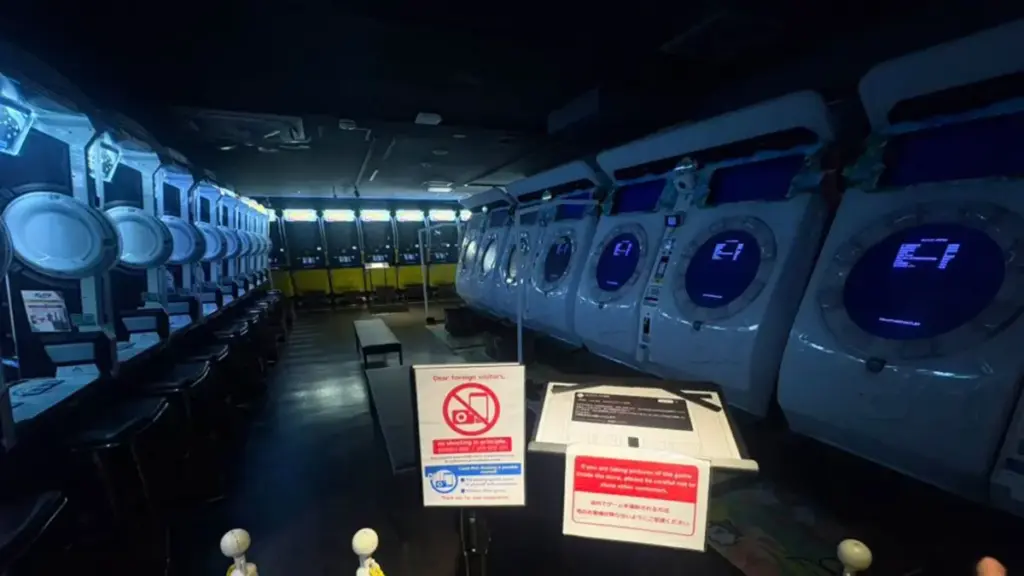
The neon-lit streets of Japanese entertainment districts, from the bustling alleys of Akihabara to the vibrant corners of Shinjuku, are defined by a specific, almost chaotic symphony of sound. For decades, the Japanese "game center" has been a bastion of sensory overload—a dense atmosphere of electronic music, the rhythmic clacking of arcade sticks, the high-pitched chirps of prize machines, and the booming announcements of competitive multiplayer titles. However, that iconic wall of sound was replaced by an eerie, unsettling silence this week as a massive technical failure crippled some of the nation’s most prominent gaming venues.
According to reports from ITMedia News, a widespread system outage has left rows of high-tech cabinets dark, transforming bustling social hubs into corridors of silent black screens. The failure, which initially appeared to be isolated to Sega’s infrastructure, has proven to be much more expansive. While early reports focused on the "no end in sight" nature of the Sega system collapse, subsequent updates from network operators have revealed a much broader crisis affecting the very backbone of the modern Japanese arcade industry.
The scale of the disruption became clearer following a series of communications from ALL.net, a critical arcade network infrastructure operated by Sega and utilized by multiple major developers. The network is the digital lifeblood of the contemporary arcade experience, providing the connectivity required for everything from global leaderboards and player save data to real-time multiplayer matchmaking and digital payment processing. In a recent update, ALL.net confirmed that the outage was not limited to Sega-branded titles but had also significantly impacted Bandai Namco machines, effectively sidelining the two largest titans of the Japanese arcade market simultaneously.
For the uninitiated, the modern Japanese arcade operates very differently from the nostalgic, offline cabinets of the 1980s and 90s. Today’s "Game Centers" rely on sophisticated, PC-based hardware that requires constant communication with centralized servers. Players typically use IC cards, such as Sega’s Aime or Bandai Namco’s Banapassport, to log into machines, allowing them to track their progress in complex fighting games, rhythm titles, and massive multiplayer online simulators. When the network goes down, these machines often lose their primary functionality. In many cases, the cabinets are programmed to default to a maintenance mode or a black screen to prevent data corruption or unauthorized use when a server handshake cannot be established.
The visual impact of this outage has been stark. Social media has been flooded with images from frustrated and bewildered patrons showing vast rows of dormant machines. One widely circulated image from a local arcade depicted an entire floor of high-end cabinets—usually the centerpiece of the facility—completely powered down or displaying error messages. The absence of the flickering lights and booming attract-mode soundtracks created a ghost-town aesthetic in venues that are typically the heart of Japanese nightlife.
The timing of the outage has been particularly difficult for arcade operators who are already navigating a complex economic landscape. While the industry has seen a resurgence in certain sectors, the reliance on networked services means that a single point of failure at the server level can effectively shut down an entire business’s revenue stream for the duration of the crisis. When ITMedia News first reported on the situation, the outlook was grim, with technical teams reportedly struggling to identify the root cause of the disconnection, leading to the "no end in sight" assessment that circulated through the gaming community earlier in the week.
Sega and Bandai Namco represent the dual pillars of the arcade world. Sega, a company that famously pivoted its business model multiple times over the decades, has maintained a dominant presence in arcades even after exiting the home console hardware market. Their history is deeply intertwined with the evolution of the arcade, having survived various industry shifts through innovation and strategic lifelines. Bandai Namco, similarly, holds a massive share of the market with perennial favorites ranging from the Tekken series to the ubiquitous Mobile Suit Gundam cockpit simulators. The fact that both ecosystems were brought down simultaneously suggests a deep-seated issue within the shared ALL.net infrastructure that links these competitors’ products.
As the week progressed, the tension among arcade enthusiasts and operators began to shift toward a cautious optimism. ALL.net has since issued a more hopeful update, indicating that technicians have made enough progress to begin the recovery phase. The network operator announced that affected arcades would "gradually resume operation on a trial basis starting today." This phased approach suggests that while the core issue may have been identified, the process of bringing thousands of machines back online across the country requires a controlled rollout to ensure server stability and prevent a secondary collapse under the sudden load of returning players.
The "trial basis" restoration is a standard procedure in large-scale IT recoveries, particularly when dealing with distributed hardware like arcade cabinets. It involves monitoring a subset of machines and locations to ensure that data packets are being handled correctly and that the IC card login systems are accurately retrieving player profiles without lag or loss of information. For the regular players who frequent these establishments, the resumption of service is more than just the return of a hobby; it is the restoration of a social routine.
The significance of this outage extends beyond the immediate loss of playtime. It highlights the inherent vulnerability of the "always-online" model that has come to dominate the amusement industry. While networking has allowed for deeper gameplay experiences, more frequent content updates, and a sense of global community, it has also created a dependency on centralized infrastructure that can be a single point of failure. When the servers at Sega or Bandai Namco experience a critical error, the physical cabinets—which can cost tens of thousands of dollars each—become little more than expensive furniture.
Throughout the outage, the resilience of the arcade community has been on display, with players sharing information and status updates across platforms like X (formerly Twitter). The disruption served as a reminder of the unique place arcades hold in Japanese culture. Unlike the more isolated experience of home gaming, the arcade is a "third place"—a social environment outside of home and work where people gather. The silence of the machines this week was a silence felt by the community at large.
As of the latest reports, the gradual restoration of services appears to be holding. Patrons in various districts have reported seeing machines booting back up, with the familiar glows of title screens returning to the dark rows of the game centers. However, the "trial basis" tag remains, as engineers continue to monitor the traffic and ensure that the handshake between the local arcade hardware and the regional servers remains robust.
The industry will likely be analyzing this event for some time. For Sega, a company that has navigated numerous technical and financial hurdles over its long history, this outage is another chapter in the ongoing challenge of maintaining a massive digital footprint. For Bandai Namco, the focus will likely be on ensuring that their collaborative network ventures with Sega remain resilient against future interruptions.
For now, the sensory overload is returning. The lights are flickering back to life, the speakers are beginning to broadcast their energetic soundtracks once again, and the "silent black screens" are being replaced by the vibrant colors of the latest titles. While the "no end in sight" era of the outage was brief, it served as a potent reminder of the digital strings that connect the modern gaming world and how quickly those strings can become entangled. The gradual resumption of service marks a return to normalcy for one of Japan’s most cherished pastimes, even as the trial phase continues to test the stability of the restored network.
 Hardware Reviews & PC Building
UC Berkeley Professor Scraps Graded Homework and Online Exams, Citing Unstoppable AI Influence
The traditional landscape of higher education is undergoing a fundamental shift as...
 Hardware Reviews & PC Building
Team Vitality Paris Headquarters Looted and Vandalized Amid Widespread Civil Unrest
In a distressing development for the European esports community, Team Vitality, the...
 Hardware Reviews & PC Building
US Video Game Hardware Sales Experience Historic Decline as PlayStation and Xbox Reach Multi-Year Lows
The United States video game industry is currently grappling with a significant...







