
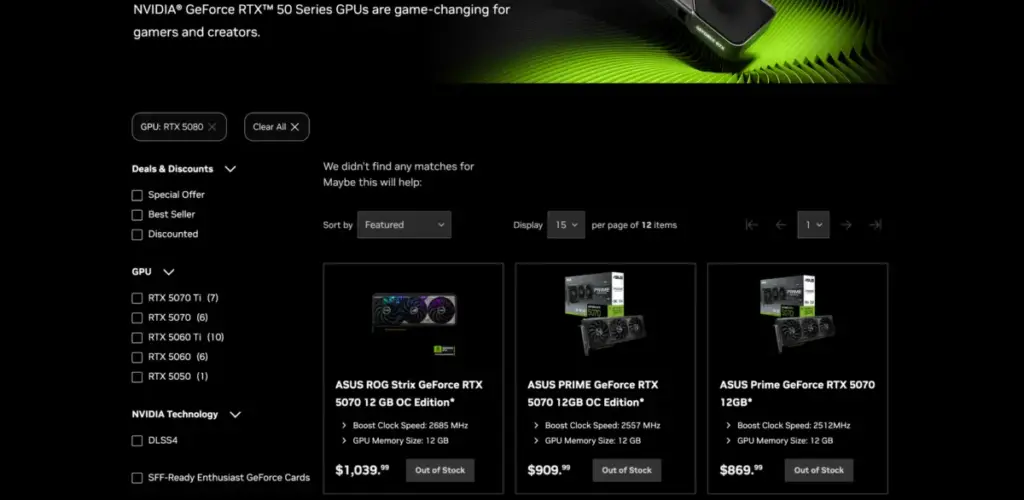
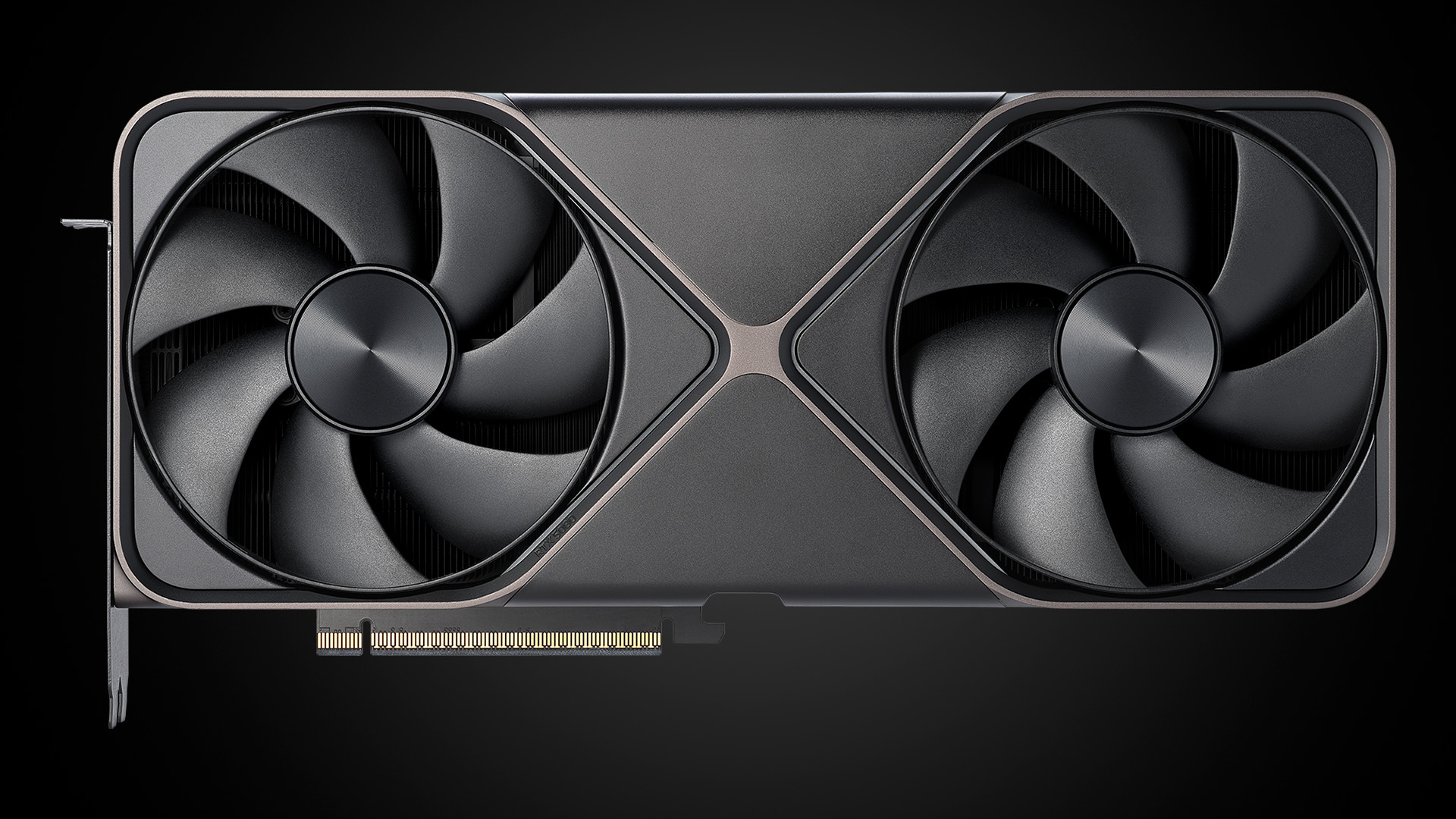
Thermal management will also be a priority for NVIDIA’s partners. Given the power targets, we can expect to see massive triple-slot or even quad-slot cooling solutions from brands like ASUS, MSI, and Gigabyte. NVIDIA’s own Founders Edition is rumored to continue the flow-through design that has been successful in previous generations, potentially with further refinements to the fin density and heat pipe arrangement to keep the high-speed GDDR7 memory cool.
The Broader Competitive Landscape
The launch of the RTX 5080 does not happen in a vacuum. The GPU market is currently in a state of flux. AMD, NVIDIA’s primary rival, is rumored to be pivoting its strategy with the upcoming RDNA 4 architecture, focusing more on the mid-range and upper-mid-range segments rather than competing directly for the ultra-enthusiast crown. If AMD indeed cedes the top-tier market to NVIDIA, the RTX 5080 could find itself in a unique position where its primary competition is not a rival brand, but its own predecessor and the flagship 5090.
Intel also remains a wild card with its Battlemage architecture. While Intel is still establishing its footing in the discrete GPU market, any pressure they can apply in the mid-range could force NVIDIA to be more aggressive with the pricing and features of the RTX 5080 and 5070.
However, NVIDIA’s greatest advantage remains its software ecosystem. From the Omniverse platform for creators to the CUDA toolkit for researchers, and the suite of "Broadcast" and "Canvas" apps for streamers and artists, the RTX 5080 is more than just a gaming card; it is a gateway into a specialized computing environment. This "moat" around NVIDIA’s hardware makes the 5080 an attractive proposition even if its price tag remains high.
Anticipating the Reveal
While NVIDIA has not officially confirmed the specific launch date, industry analysts point toward CES 2025 in Las Vegas as the most likely venue for a grand unveiling. CEO Jensen Huang is expected to deliver a keynote that will not only introduce the GeForce RTX 50-series but also outline NVIDIA’s vision for the "AI PC."
The GeForce RTX 5080 is poised to be a pivotal release. It represents the maturation of ray tracing technology and the further integration of AI into our daily computing lives. For the gamers who have been waiting for a reason to move to a 4K high-refresh-board, or for the creators who need the bandwidth of GDDR7 to accelerate their workflows, the 5080 may well be the most important card of the Blackwell generation. As we move closer to the end of the year, the excitement—and the scrutiny—surrounding NVIDIA’s next move will only continue to intensify.
 Hardware Reviews & PC Building
Judge denies motion to dismiss DRAM price-fixing lawsuit against Micron, Samsung, and SK hynix — says chipmakers…
The core of the defendants’ argument for dismissal rested on the claim...
 Hardware Reviews & PC Building
Amazon Prime Day 2026: Final 24 Hours of Big Deal Days Feature Massive Savings on RTX 5070 Systems, Ryzen 9800X3D, and Premium Gaming Peripherals
As the clock winds down on the 2026 iteration of Amazon’s Big...
 Hardware Reviews & PC Building
Taipei 101 lit up in support of Jensen Huang — skyscraper adorned with messages of support following resignation…
The backdrop to this public display of support is a corporate and...







