
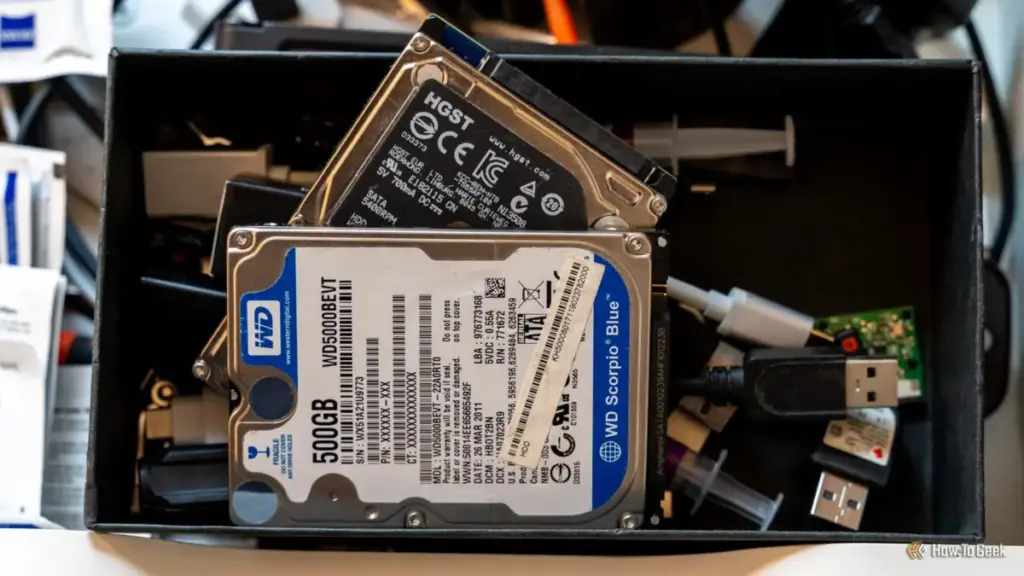
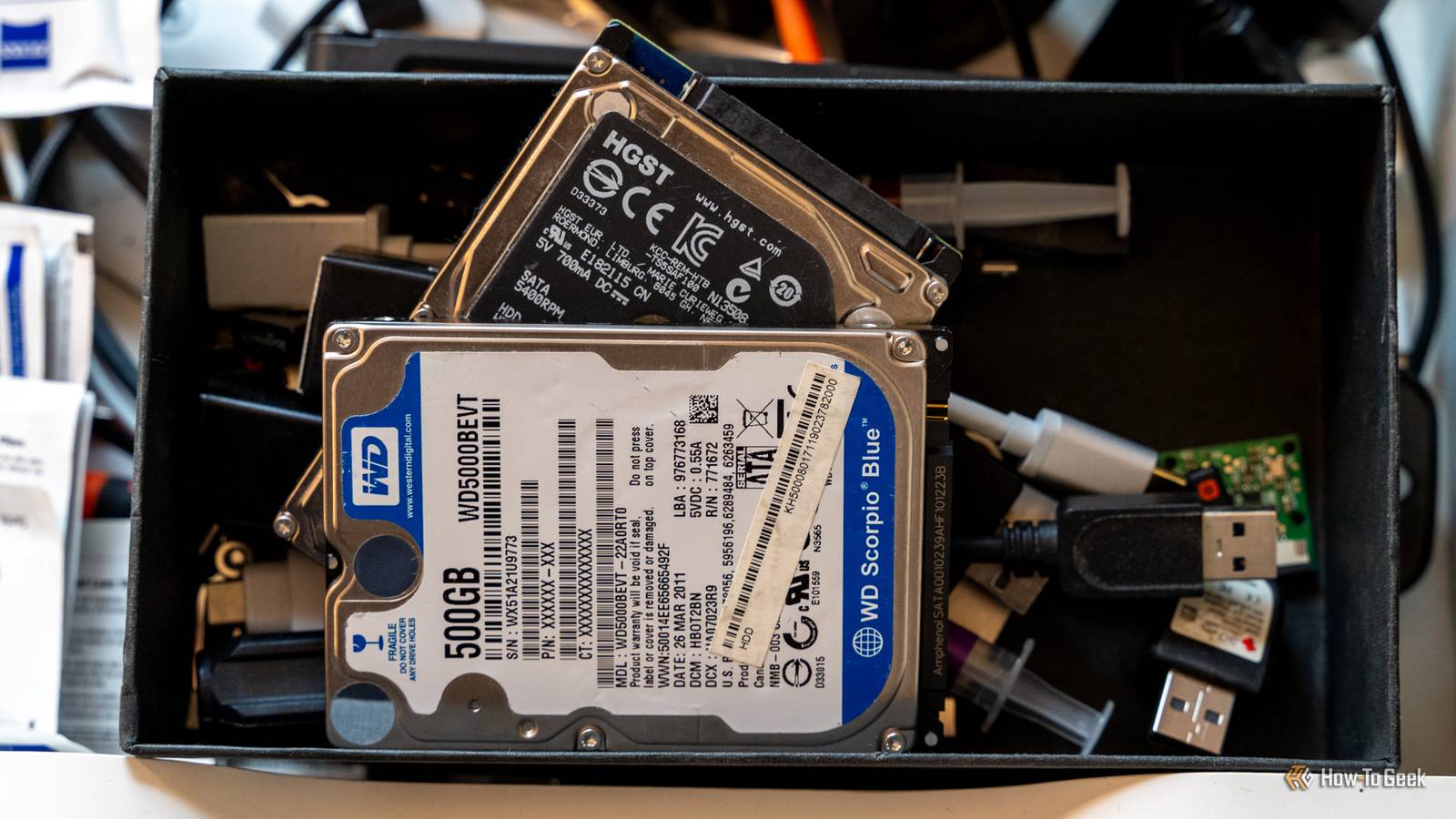
For many technology enthusiasts, the "junk drawer" is a common household fixture—a graveyard of tangled micro-USB cables, outdated smartphones, and retired laptops that have been superseded by the relentless march of the upgrade cycle. While these devices are often viewed as clutter or destined for an e-waste recycling center, a growing movement of hobbyists is finding that this aging hardware represents a gateway to sophisticated, rewarding, and surprisingly low-cost pastimes.
In an era where specialized hobbies such as high-end espresso brewing or audiophile-grade sound systems can demand thousands of dollars in initial investment, the barrier to entry for a new interest can be daunting. However, for the "middle-aged geek" and younger enthusiasts alike, the most significant tools for a new obsession might already be sitting in a kitchen drawer or a storage bin in the garage. By repurposing existing tech, enthusiasts are finding they can explore complex fields like server management, astrophotography, and electronics without the "tax" of new equipment.
Retro Gaming: Breathing New Life into Old Silicon
The landscape of modern gaming has shifted dramatically over the last two decades, moving toward hyper-realistic graphics, massive open worlds, and persistent online connectivity. While these advancements are impressive, they have also fueled a powerful wave of nostalgia for the 8-bit and 16-bit eras. For many who grew up with the tactile click of a cartridge, the simplicity and immediate "pick-up-and-play" nature of vintage titles remain unmatched.
Reliving the golden age of gaming does not necessarily require hunting down expensive, original hardware on the secondary market. Modern emulation has advanced to the point where even a decade-old smartphone possesses significantly more processing power than the most advanced consoles of the 1980s and 1990s.
An Old Phone or Raspberry Pi Can Bring Back the Good Old Days
The transition from a discarded handset to a dedicated gaming station is often as simple as acquiring a USB-C-to-HDMI adapter. For example, a retired Samsung Galaxy S8—a device many might consider obsolete for daily communication—can easily be transformed into a permanent TV-connected emulation hub. When paired with a Bluetooth controller, these devices can smoothly run libraries of games from the NES, SNES, and Sega Genesis eras.
For those who prefer a more modular approach, the Raspberry Pi remains the gold standard for budget-friendly retro gaming. Even the diminutive Raspberry Pi Zero, which retails for a fraction of the cost of a modern game, provides ample performance for 8-bit emulation. By utilizing specialized operating systems like RetroPie or Batocera, hobbyists can create a dedicated console experience that feels like a professional consumer product, all while utilizing hardware that might have otherwise been forgotten.
Homelabbing: The Rise of the Domestic Data Center
One of the most rapidly growing hobbies among tech enthusiasts is "homelabbing"—the practice of running a private server environment to host services, experiment with networking, and regain control over personal data. While professional-grade homelabs can involve enterprise-level server racks and massive storage arrays, the hobby is increasingly defined by its accessibility.
The appeal of the homelab lies in data sovereignty. In an age where most digital life is mediated by large corporations and cloud subscriptions, the ability to host one’s own files, media, and smart home logic is both a practical utility and a philosophical statement.
You Need Surprisingly Little to Get Started
The entry point for many aspiring "sysadmins" is the Pi-hole, a network-wide ad and tracker blocker. As the name implies, it is designed to run on a Raspberry Pi, and its hardware requirements are famously low. A first-generation Raspberry Pi or a Pi Zero is more than sufficient to handle the DNS traffic of a standard household, effectively cleaning the internet experience for every device on the network without requiring a single software installation on individual phones or computers.

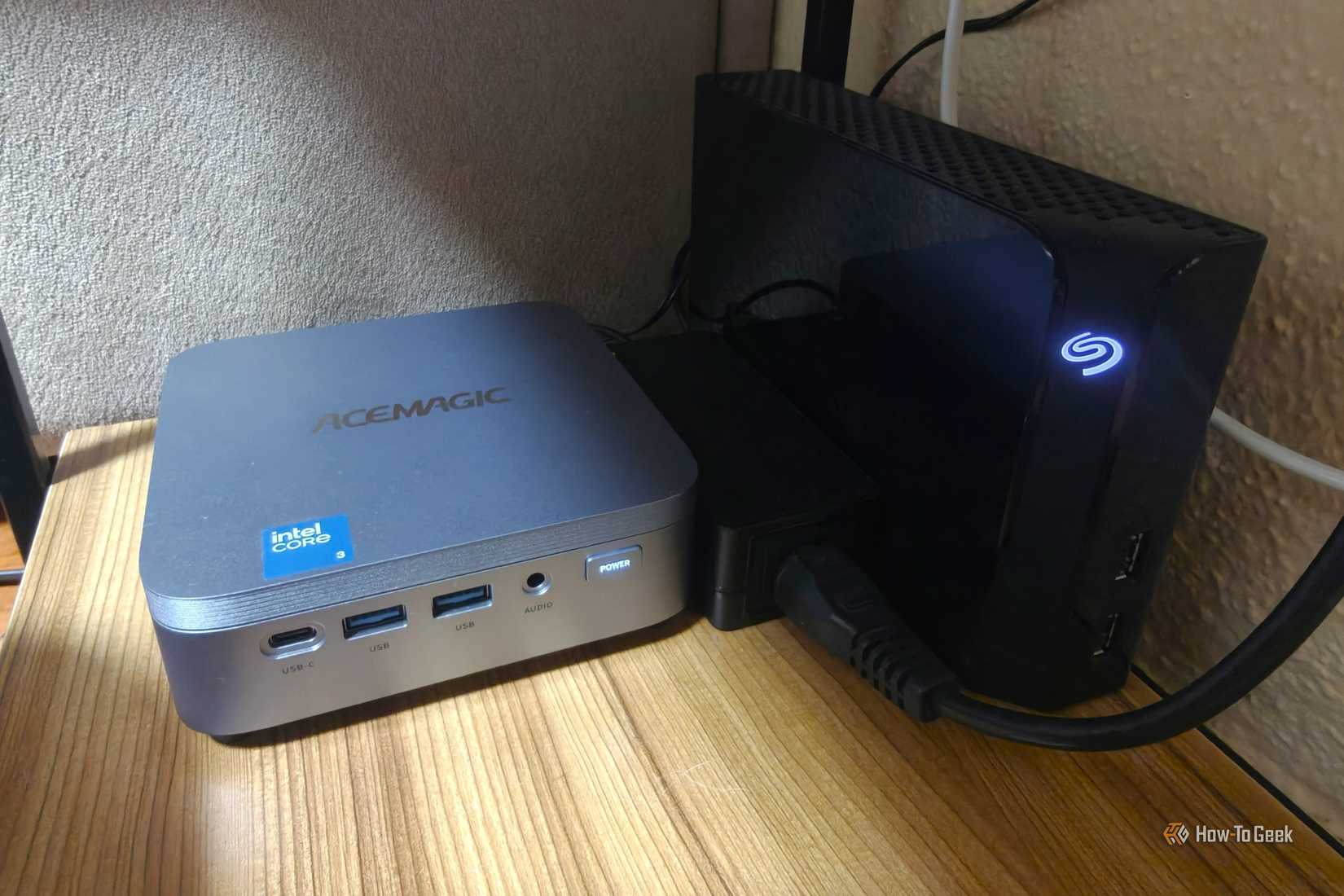
Beyond ad-blocking, the homelab journey often expands into media hosting and home automation. An old laptop with a cracked screen or a decommissioned office desktop can serve as a powerful server for platforms like Plex or Jellyfin, allowing users to stream their personal movie collections to any device in the house. Similarly, services like Home Assistant can be installed on repurposed hardware to unify smart home devices from different manufacturers, allowing them to work together locally without relying on external cloud servers. This "recycling" of hardware not only saves money but also provides a second life to machines that still have years of functional utility left in them.
Astronomy and Astrophotography: Capturing the Cosmos on a Budget
Astronomy has traditionally been perceived as a hobby with a high financial barrier, often associated with massive, expensive telescopes and specialized cooled cameras. For many enthusiasts, it is a "someday" hobby—something to be pursued when time and disposable income are more plentiful. However, the democratization of camera technology has changed the equation.
The core of astrophotography is not necessarily the magnification of the lens, but the ability of the sensor to gather light over long periods. This makes even older digital equipment surprisingly capable of capturing the beauty of the night sky.
You Don’t Need an Expensive Telescope (To Start With)
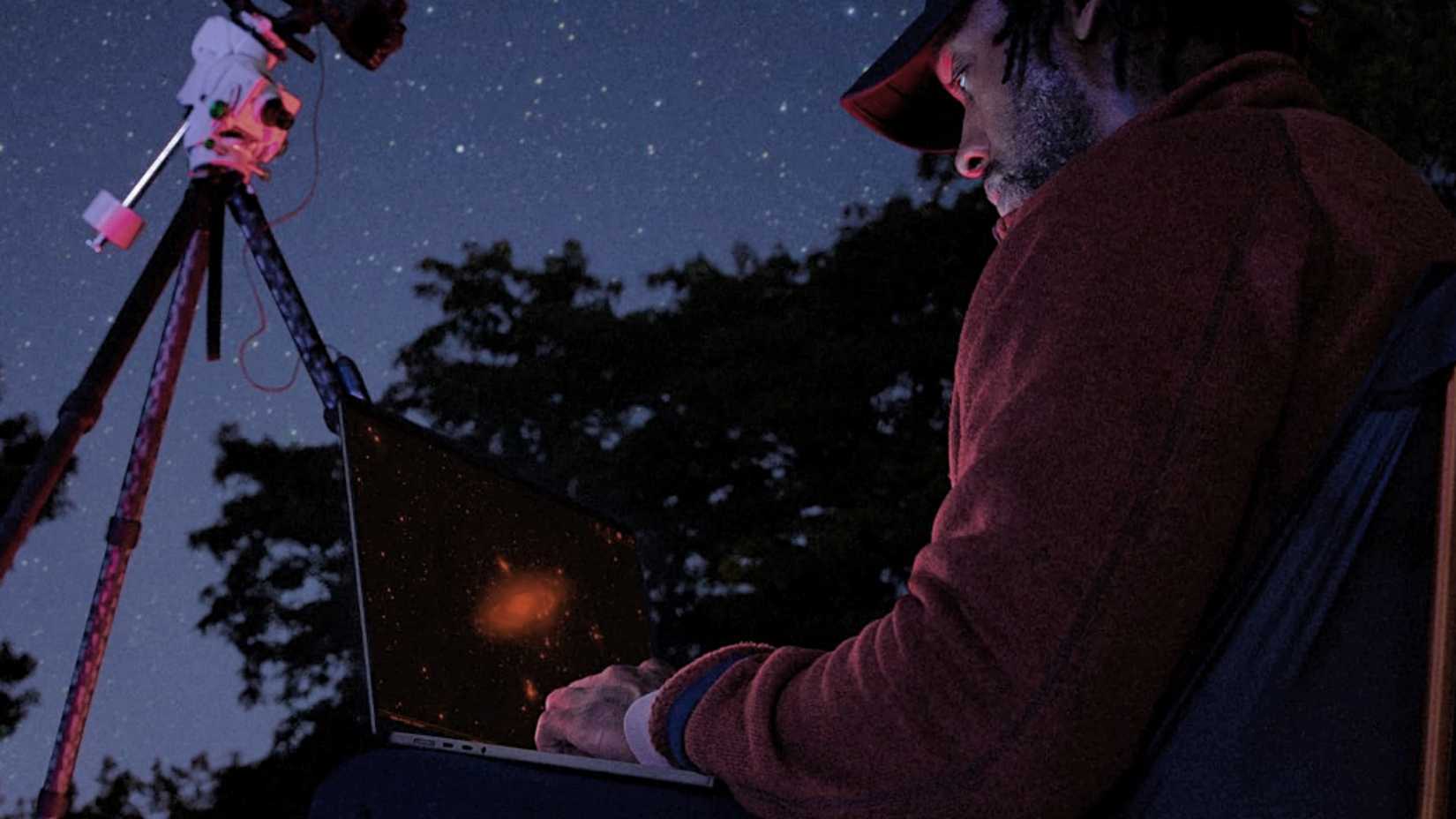
For those looking to dip their toes into the stars, an old smartphone can be an excellent starting point. Modern smartphones are often too integrated into our daily lives to be left outside for hours at a time to capture time-lapses or long exposures. By using a retired phone, a hobbyist can set up a tripod and leave the device to run multiple exposures throughout the night without worrying about missing a phone call or a text message.
Furthermore, for those who have an old DSLR gathering dust, the world of "deep-sky" photography becomes accessible. Some hobbyists take the extra step of modifying these older cameras by removing or replacing the internal infrared cut filter. This modification allows the sensor to "see" the H-alpha wavelengths emitted by nebulae, resulting in dramatic, professional-looking images of the galaxy that would be impossible with a standard consumer camera. It is a way to turn a "useless" piece of old tech into a specialized scientific instrument.
Stop-Motion Animation: A Tactile Creative Outlet
In a world dominated by AI-generated imagery and digital CGI, the jerky, tactile charm of stop-motion animation continues to hold a special place in the hearts of creators. It is a hobby that rewards patience and precision, offering a physical connection to the creative process that is often lost in purely digital workflows.
Stop-motion is an ideal "geek hobby" because it combines technical hardware management with creative storytelling. It is also an exceptionally accessible activity for families, providing a way for parents to engage with their children in a productive, tech-centric project.
An Old Phone and Some LEGO Can Get You Started
The primary requirement for stop-motion is a camera that stays perfectly still. This is where the old smartphone becomes an invaluable tool. Because a single short film can take days or even weeks to shoot, using a primary phone is practically impossible. A secondary, dedicated device can be mounted to a tripod or a rig and left in place for the duration of the project.
Using simple materials like LEGO bricks or modeling clay, hobbyists can begin animating immediately. The "tech" side of the hobby comes into play during the post-processing phase, where various software packages can be used to stitch the individual frames together, add Foley sound effects, and apply color grading. It is a low-cost way to learn the fundamentals of cinematography and editing using tools that are already available in the home.
Electronics: Tinkering Without the Barrier of Entry
For many, the idea of "building electronics" conjures images of complex circuit diagrams and the intimidating prospect of soldering tiny components onto a board. While soldering remains a valuable skill, the modern electronics hobby has evolved to be far more inclusive. The rise of the "Maker" movement has led to a surge in modular, plug-and-play components that allow for sophisticated builds with minimal manual labor.
This field is particularly appealing to those who enjoy the "magic" of automation—creating a device that performs a specific task, such as monitoring soil moisture in a plant or displaying the current price of Bitcoin on a small screen.
Tinkering Has Never Been Easier
The backbone of modern DIY electronics is the microcontroller. Boards like the Arduino and the ESP32 are inexpensive and widely available, often coming with pre-soldered "headers" that allow users to connect sensors and lights using simple jumper wires. This "breadboarding" approach means that a project can be assembled, tested, and redesigned without any permanent changes or specialized tools.
The software side has also become more accessible. Platforms like ESPHome allow users to create custom firmware for their devices using simple configuration files rather than writing lines of C++ code from scratch. This shift has turned electronics from a hobby of "how do I make this work?" to "what do I want to build next?" It allows enthusiasts to focus on the utility and creativity of their projects, lowering the frustration level that often leads beginners to give up.
Your Junk Drawer Might Contain Your Next Hobby
The common thread across all these pursuits is the realization that "old" does not mean "useless." The rapid pace of the consumer electronics industry often creates a false impression that a device loses its value the moment a newer version is released. However, as these hobbies demonstrate, the latent potential in old silicon is vast.
Starting a new hobby is often a daunting prospect, clouded by the fear of a significant financial investment that may not pay off if the interest wanes. By looking toward repurposed technology, enthusiasts can bypass this financial risk. Whether it is turning an old phone into a portal to the 1980s or using an aging laptop to secure a home network, the most rewarding hobbies are often those that start with a bit of ingenuity and a trip to the junk drawer. These "e-waste hobbies" prove that with a little bit of curiosity, the technology of yesterday can still power the passions of tomorrow.
 Tech Tutorials & How-To Guides
Netflix Expands October Streaming Lineup With High-Stakes Sports Dramas and Darkly Humorous Animation
As the autumn chill settles in and the evening air turns crisp,...
 Tech Tutorials & How-To Guides
Beyond the Brand: Why Even Premium Power Drills Fail Due to Common Operational Habits
In the modern landscape of home improvement and professional construction, the cordless...
 Tech Tutorials & How-To Guides
The Seamless Transition: Why Linux Mint Remains the Premier Gateway for Windows Refugees
For many veteran technology enthusiasts, the journey through the landscape of Unix-like...







