
An Old Phone and Some LEGO Can Get You Started
The primary requirement for stop-motion is a camera that stays perfectly still. This is where the old smartphone becomes an invaluable tool. Because a single short film can take days or even weeks to shoot, using a primary phone is practically impossible. A secondary, dedicated device can be mounted to a tripod or a rig and left in place for the duration of the project.
Using simple materials like LEGO bricks or modeling clay, hobbyists can begin animating immediately. The "tech" side of the hobby comes into play during the post-processing phase, where various software packages can be used to stitch the individual frames together, add Foley sound effects, and apply color grading. It is a low-cost way to learn the fundamentals of cinematography and editing using tools that are already available in the home.
Electronics: Tinkering Without the Barrier of Entry
For many, the idea of "building electronics" conjures images of complex circuit diagrams and the intimidating prospect of soldering tiny components onto a board. While soldering remains a valuable skill, the modern electronics hobby has evolved to be far more inclusive. The rise of the "Maker" movement has led to a surge in modular, plug-and-play components that allow for sophisticated builds with minimal manual labor.
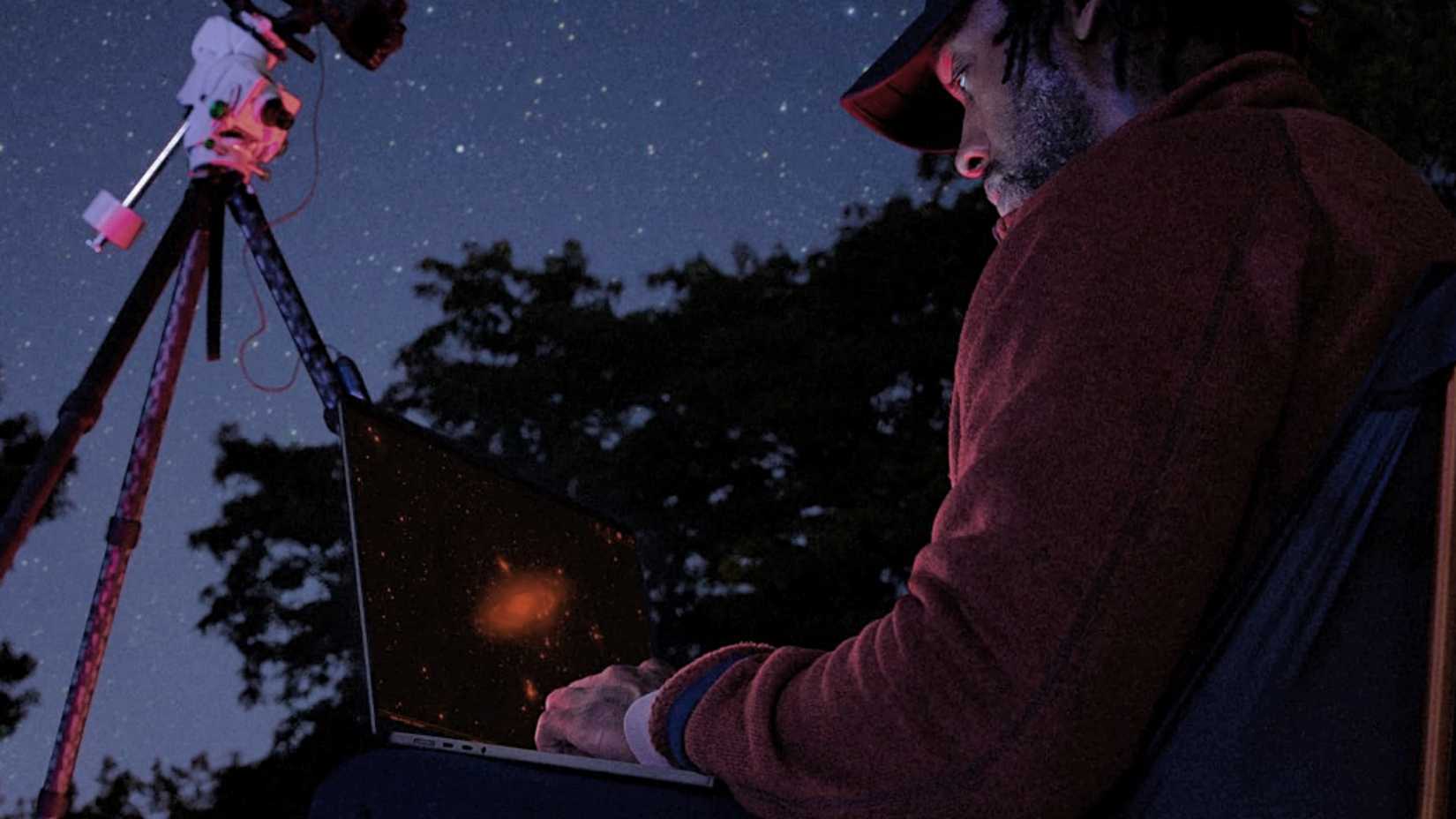
This field is particularly appealing to those who enjoy the "magic" of automation—creating a device that performs a specific task, such as monitoring soil moisture in a plant or displaying the current price of Bitcoin on a small screen.
Tinkering Has Never Been Easier
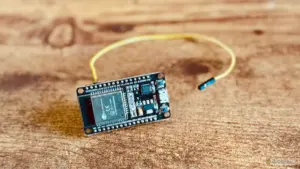
The backbone of modern DIY electronics is the microcontroller. Boards like the Arduino and the ESP32 are inexpensive and widely available, often coming with pre-soldered "headers" that allow users to connect sensors and lights using simple jumper wires. This "breadboarding" approach means that a project can be assembled, tested, and redesigned without any permanent changes or specialized tools.
The software side has also become more accessible. Platforms like ESPHome allow users to create custom firmware for their devices using simple configuration files rather than writing lines of C++ code from scratch. This shift has turned electronics from a hobby of "how do I make this work?" to "what do I want to build next?" It allows enthusiasts to focus on the utility and creativity of their projects, lowering the frustration level that often leads beginners to give up.
Your Junk Drawer Might Contain Your Next Hobby
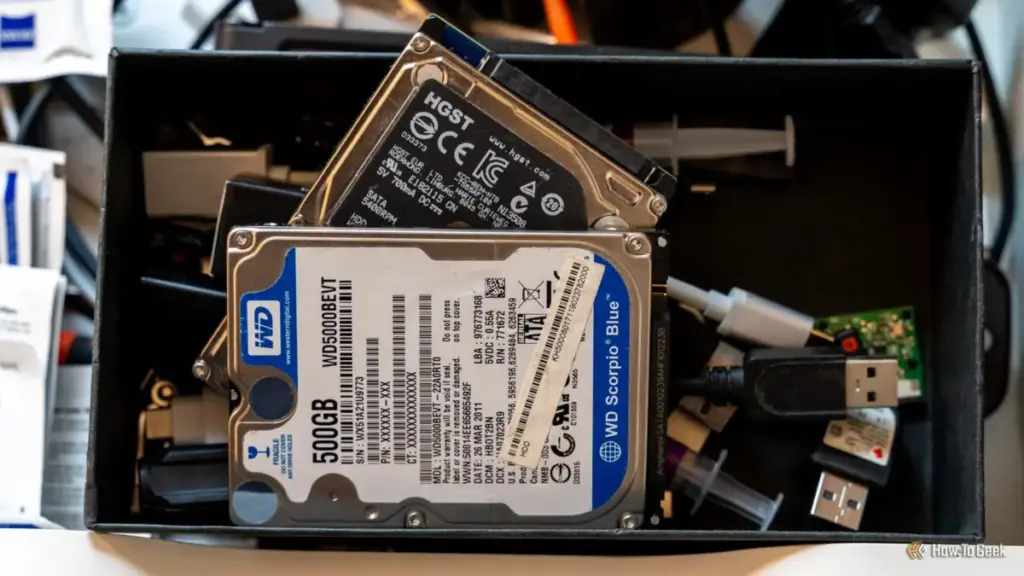
The common thread across all these pursuits is the realization that "old" does not mean "useless." The rapid pace of the consumer electronics industry often creates a false impression that a device loses its value the moment a newer version is released. However, as these hobbies demonstrate, the latent potential in old silicon is vast.
Starting a new hobby is often a daunting prospect, clouded by the fear of a significant financial investment that may not pay off if the interest wanes. By looking toward repurposed technology, enthusiasts can bypass this financial risk. Whether it is turning an old phone into a portal to the 1980s or using an aging laptop to secure a home network, the most rewarding hobbies are often those that start with a bit of ingenuity and a trip to the junk drawer. These "e-waste hobbies" prove that with a little bit of curiosity, the technology of yesterday can still power the passions of tomorrow.
 Tech Tutorials & How-To Guides
The Hidden Expiry Date: Why Your Smart Home Hardware May Fail Sooner Than You Think
In the early days of the smart home revolution, early adopters were...
 Tech Tutorials & How-To Guides
Beyond the Brand: Why Even Premium Power Drills Fail Due to Common Operational Habits
In the modern landscape of home improvement and professional construction, the cordless...
 Tech Tutorials & How-To Guides
The Untapped Power of the ESP32: Why Your Bluetooth Proxy Is Only Reaching a Fraction of Its Potential
In the rapidly evolving landscape of the modern smart home, the ESP32...







