
You Need Surprisingly Little to Get Started
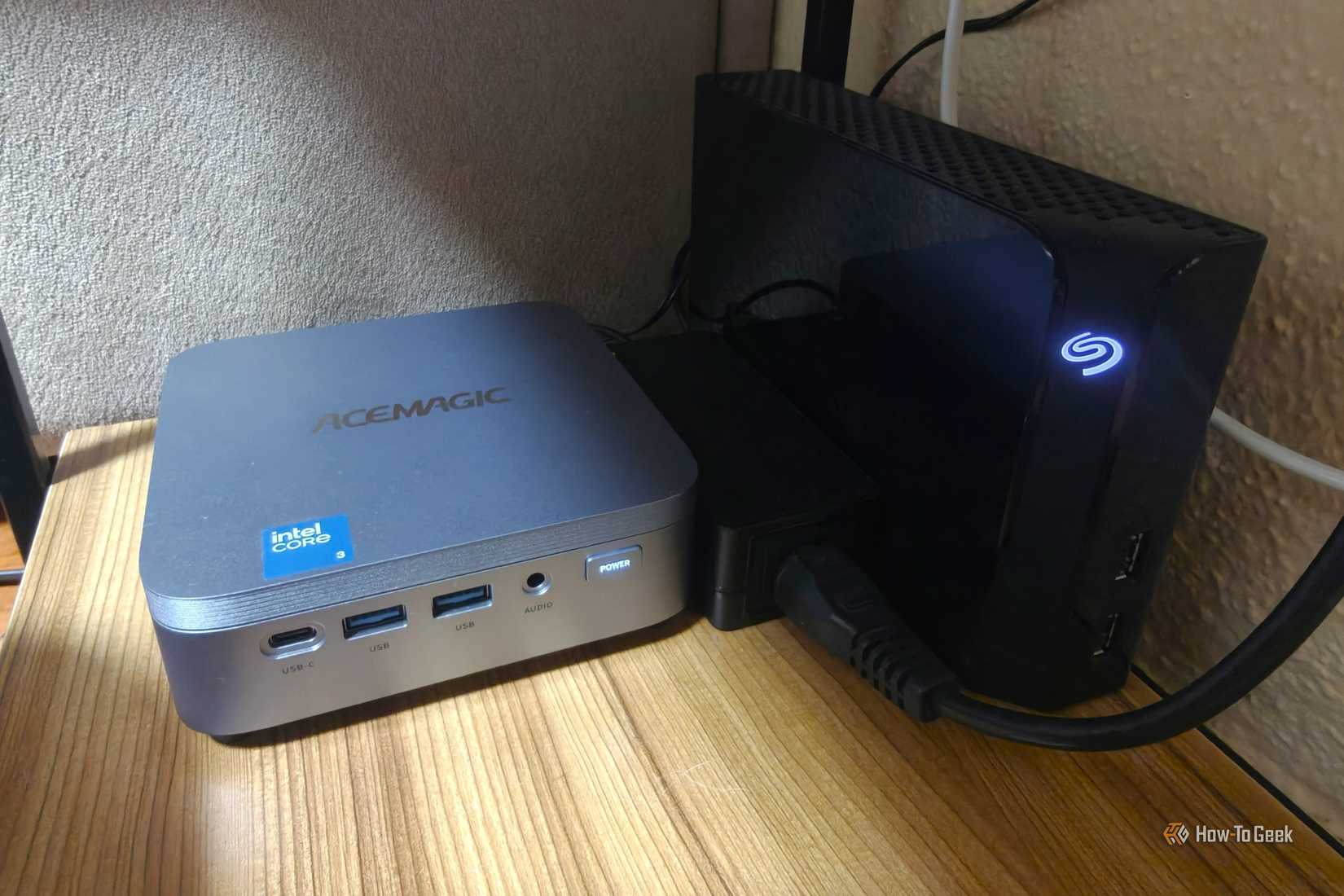
The entry point for many aspiring "sysadmins" is the Pi-hole, a network-wide ad and tracker blocker. As the name implies, it is designed to run on a Raspberry Pi, and its hardware requirements are famously low. A first-generation Raspberry Pi or a Pi Zero is more than sufficient to handle the DNS traffic of a standard household, effectively cleaning the internet experience for every device on the network without requiring a single software installation on individual phones or computers.

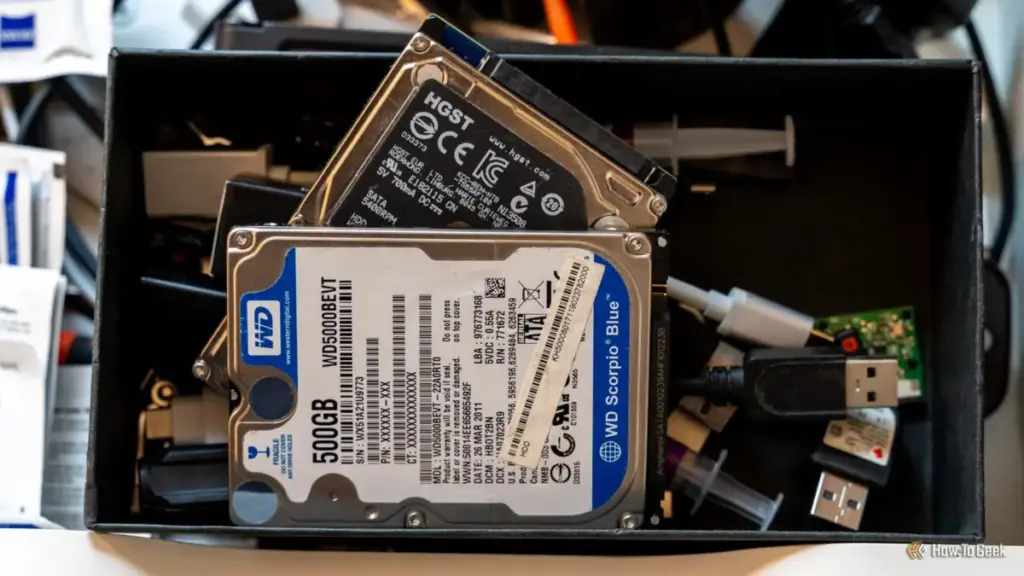
Beyond ad-blocking, the homelab journey often expands into media hosting and home automation. An old laptop with a cracked screen or a decommissioned office desktop can serve as a powerful server for platforms like Plex or Jellyfin, allowing users to stream their personal movie collections to any device in the house. Similarly, services like Home Assistant can be installed on repurposed hardware to unify smart home devices from different manufacturers, allowing them to work together locally without relying on external cloud servers. This "recycling" of hardware not only saves money but also provides a second life to machines that still have years of functional utility left in them.
Astronomy and Astrophotography: Capturing the Cosmos on a Budget
Astronomy has traditionally been perceived as a hobby with a high financial barrier, often associated with massive, expensive telescopes and specialized cooled cameras. For many enthusiasts, it is a "someday" hobby—something to be pursued when time and disposable income are more plentiful. However, the democratization of camera technology has changed the equation.
The core of astrophotography is not necessarily the magnification of the lens, but the ability of the sensor to gather light over long periods. This makes even older digital equipment surprisingly capable of capturing the beauty of the night sky.
You Don’t Need an Expensive Telescope (To Start With)
For those looking to dip their toes into the stars, an old smartphone can be an excellent starting point. Modern smartphones are often too integrated into our daily lives to be left outside for hours at a time to capture time-lapses or long exposures. By using a retired phone, a hobbyist can set up a tripod and leave the device to run multiple exposures throughout the night without worrying about missing a phone call or a text message.
Furthermore, for those who have an old DSLR gathering dust, the world of "deep-sky" photography becomes accessible. Some hobbyists take the extra step of modifying these older cameras by removing or replacing the internal infrared cut filter. This modification allows the sensor to "see" the H-alpha wavelengths emitted by nebulae, resulting in dramatic, professional-looking images of the galaxy that would be impossible with a standard consumer camera. It is a way to turn a "useless" piece of old tech into a specialized scientific instrument.
Stop-Motion Animation: A Tactile Creative Outlet
In a world dominated by AI-generated imagery and digital CGI, the jerky, tactile charm of stop-motion animation continues to hold a special place in the hearts of creators. It is a hobby that rewards patience and precision, offering a physical connection to the creative process that is often lost in purely digital workflows.
Stop-motion is an ideal "geek hobby" because it combines technical hardware management with creative storytelling. It is also an exceptionally accessible activity for families, providing a way for parents to engage with their children in a productive, tech-centric project.
 Tech Tutorials & How-To Guides
Thrills and Psychological Chills: Netflix Bolsters October Lineup With ‘Unabomber’ and Genre Classics
As the calendar turns to the first full week of October, the...
 Tech Tutorials & How-To Guides
Five Highly Rated Comedy Series on Netflix for Quick and Easy Viewing
In the modern landscape of streaming, where "prestige television" often demands dozens...
 Tech Tutorials & How-To Guides
The Evolution of Mobile Audio: Why Your Smartphone is a Professional-Grade Microphone in Disguise
In the modern era of digital content creation, the barrier to entry...







