
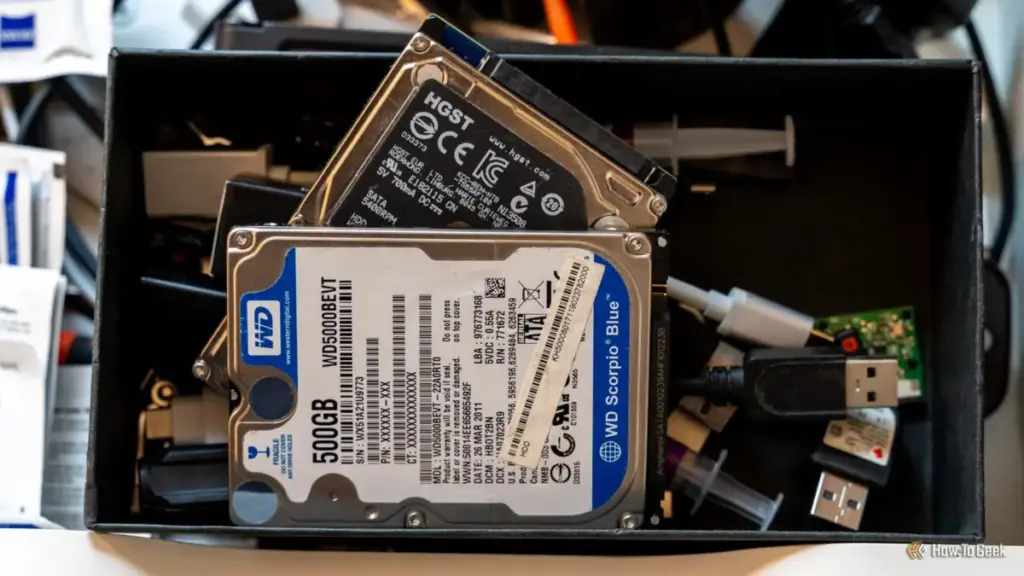
For many technology enthusiasts, the "junk drawer" is a common household fixture—a graveyard of tangled micro-USB cables, outdated smartphones, and retired laptops that have been superseded by the relentless march of the upgrade cycle. While these devices are often viewed as clutter or destined for an e-waste recycling center, a growing movement of hobbyists is finding that this aging hardware represents a gateway to sophisticated, rewarding, and surprisingly low-cost pastimes.
In an era where specialized hobbies such as high-end espresso brewing or audiophile-grade sound systems can demand thousands of dollars in initial investment, the barrier to entry for a new interest can be daunting. However, for the "middle-aged geek" and younger enthusiasts alike, the most significant tools for a new obsession might already be sitting in a kitchen drawer or a storage bin in the garage. By repurposing existing tech, enthusiasts are finding they can explore complex fields like server management, astrophotography, and electronics without the "tax" of new equipment.
Retro Gaming: Breathing New Life into Old Silicon
The landscape of modern gaming has shifted dramatically over the last two decades, moving toward hyper-realistic graphics, massive open worlds, and persistent online connectivity. While these advancements are impressive, they have also fueled a powerful wave of nostalgia for the 8-bit and 16-bit eras. For many who grew up with the tactile click of a cartridge, the simplicity and immediate "pick-up-and-play" nature of vintage titles remain unmatched.
Reliving the golden age of gaming does not necessarily require hunting down expensive, original hardware on the secondary market. Modern emulation has advanced to the point where even a decade-old smartphone possesses significantly more processing power than the most advanced consoles of the 1980s and 1990s.
An Old Phone or Raspberry Pi Can Bring Back the Good Old Days
The transition from a discarded handset to a dedicated gaming station is often as simple as acquiring a USB-C-to-HDMI adapter. For example, a retired Samsung Galaxy S8—a device many might consider obsolete for daily communication—can easily be transformed into a permanent TV-connected emulation hub. When paired with a Bluetooth controller, these devices can smoothly run libraries of games from the NES, SNES, and Sega Genesis eras.
For those who prefer a more modular approach, the Raspberry Pi remains the gold standard for budget-friendly retro gaming. Even the diminutive Raspberry Pi Zero, which retails for a fraction of the cost of a modern game, provides ample performance for 8-bit emulation. By utilizing specialized operating systems like RetroPie or Batocera, hobbyists can create a dedicated console experience that feels like a professional consumer product, all while utilizing hardware that might have otherwise been forgotten.
Homelabbing: The Rise of the Domestic Data Center
One of the most rapidly growing hobbies among tech enthusiasts is "homelabbing"—the practice of running a private server environment to host services, experiment with networking, and regain control over personal data. While professional-grade homelabs can involve enterprise-level server racks and massive storage arrays, the hobby is increasingly defined by its accessibility.
The appeal of the homelab lies in data sovereignty. In an age where most digital life is mediated by large corporations and cloud subscriptions, the ability to host one’s own files, media, and smart home logic is both a practical utility and a philosophical statement.
 Tech Tutorials & How-To Guides
Balancing the Spooky Season: Paramount+ Highlights Comedic Classics and Dystopian Thrills This October
As the calendar turns deep into October, the cultural landscape shifts toward...
 Tech Tutorials & How-To Guides
A New Titan in Entertainment: Navigating the Skydance Merger and the Future of Streaming
The landscape of global media has undergone a seismic shift as the...
 Tech Tutorials & How-To Guides
Exploring the Frontiers of the Unknown: Three Essential Science Fiction Films to Stream on Netflix This Weekend
As the autumn of 2026 unfolds, the digital landscape of the American...







