
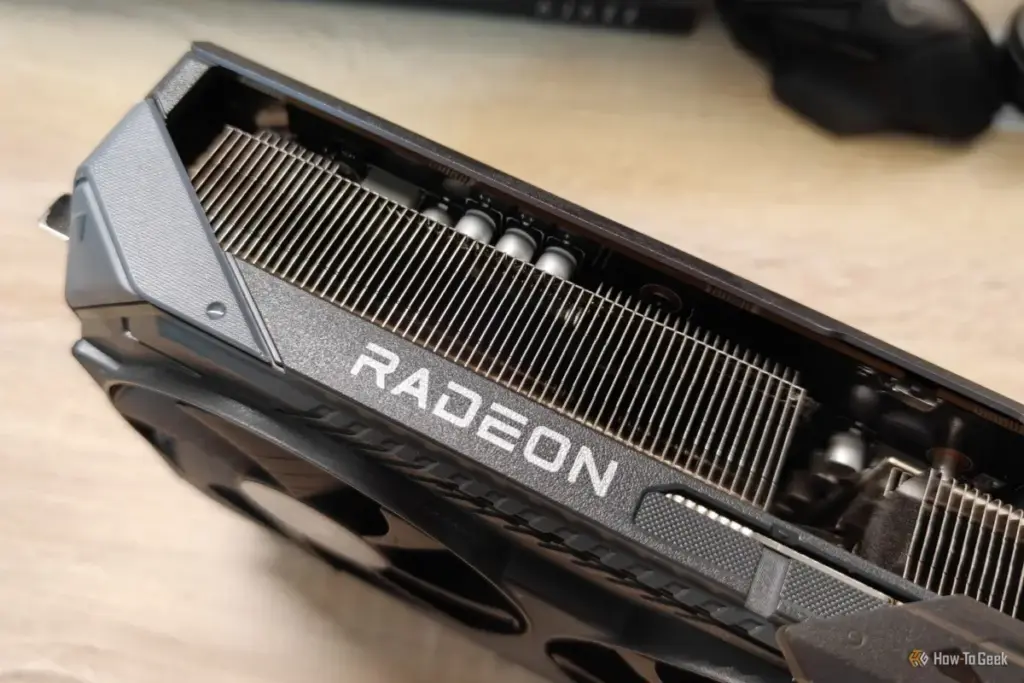
For over a decade, NVIDIA has cultivated a nearly impenetrable software ecosystem around its GeForce line of consumer graphics cards. From the early days of proprietary physics engines to the modern era of Deep Learning Super Sampling (DLSS), the "Green Team" has successfully positioned its hardware not just as a collection of silicon and fans, but as a gateway to an exclusive suite of features. Today, DLSS is often the centerpiece of the argument for choosing a GeForce GPU over its competitors. It is a powerful tool, capable of transforming a stuttering experience into a fluid one through the magic of AI-driven upscaling and frame generation.
However, as the GPU market enters a period of unprecedented pricing volatility and shifting hardware priorities, a growing consensus is emerging among enthusiasts and industry analysts: NVIDIA’s feature set, while technically superior, is no longer sufficient to bridge the widening chasm between its retail prices and those of its competitors. While many gamers continue to gravitate toward NVIDIA specifically to gain access to DLSS, a cold analysis of the current market suggests that this loyalty comes at a staggering cost. For the price of a mid-to-high-end GeForce card, consumers could often purchase a substantially more powerful AMD Radeon graphics card that offers superior raw rendering performance and significantly more Video RAM (VRAM)—the two most critical factors for long-term hardware longevity.
The Normalization of the NVIDIA GPU Premium
NVIDIA’s position as the "premium" choice is not a new phenomenon. For as long as the modern GPU market has existed, NVIDIA has generally commanded a higher price point than AMD (formerly ATI) or the more recent entrant, Intel. This price gap was historically justified by more stable drivers, better power efficiency, and a faster adoption of emerging industry standards.
Looking back at the landscape of the mid-2000s, the divide was often binary. During the era of the original Call of Duty 4: Modern Warfare, hardware limitations were frequently hard-coded. Many ATI Radeon users found themselves unable to launch the latest titles because their hardware lacked support for Shader Model 3.0, a standard that NVIDIA cards of the time handled with ease. These technical hurdles cemented a reputation that NVIDIA has spent twenty years reinforcing: that their hardware simply "works" better with the latest software.
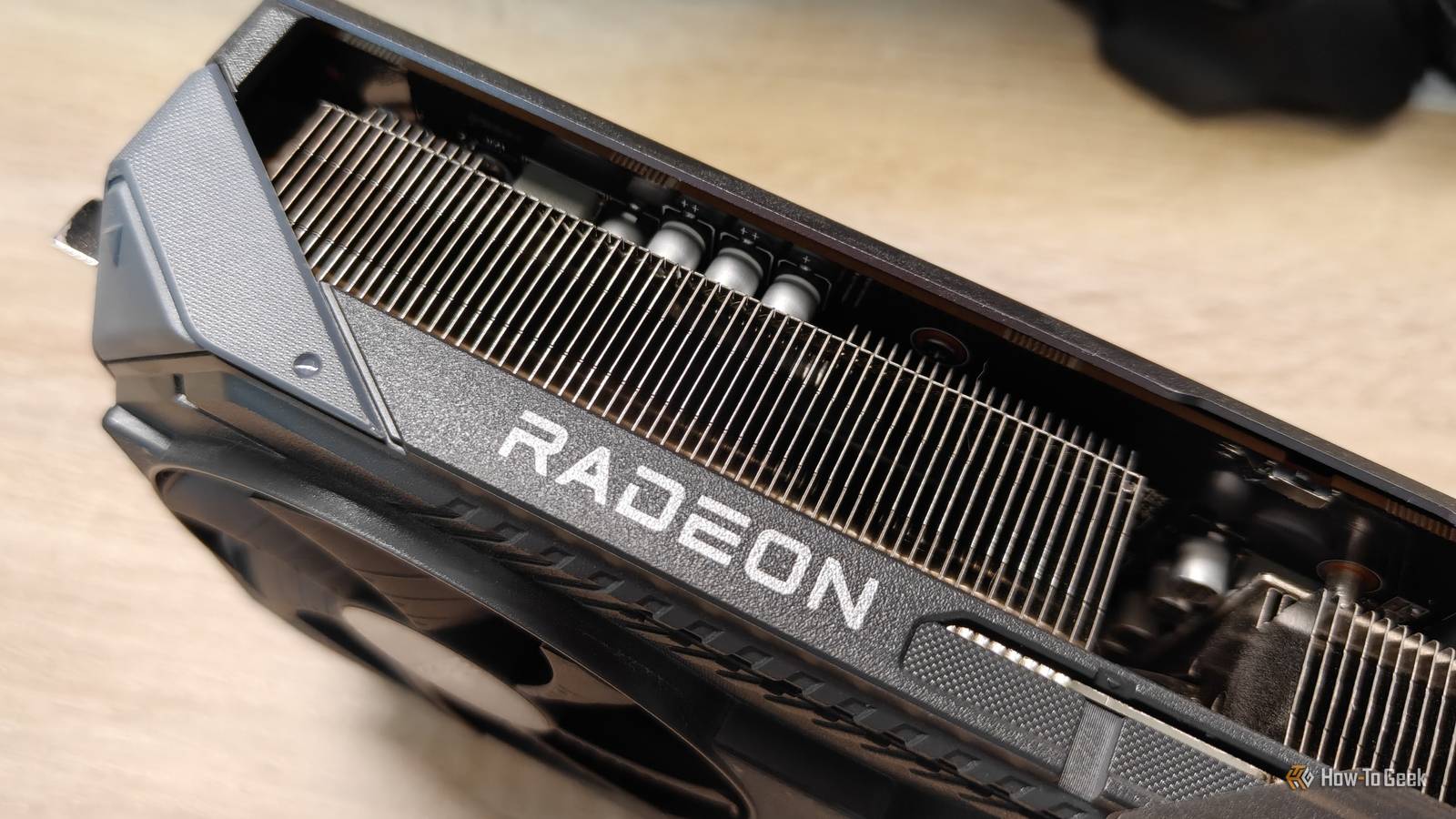
In the current market, that reputation has evolved into a dominant market share. Recent reports suggest that NVIDIA now controls roughly 90% of the discrete graphics card market. This dominance is further reflected in the Steam Hardware Survey, where GeForce cards occupy almost every top spot. Consumers have essentially voted with their wallets, signaling a willingness to pay a "badge premium" for access to the NVIDIA software stack. Whether it is the superior ray tracing performance of dedicated RT cores, the professional utility of CUDA for local AI workloads, or the ever-expanding features of DLSS, the market has accepted that NVIDIA features are worth a surcharge.
A Market Pushed to the Breaking Point
While the "NVIDIA tax" was once a manageable $50 to $100 difference, the launch of the RTX 5000 series alongside the AMD RX 9000 series has seen this premium explode. We are now well past the initial launch window, and the manufacturer’s suggested retail prices (MSRP) have become largely irrelevant due to a combination of high demand and a persistent shortage of high-speed memory modules.
 Tech Tutorials & How-To Guides
The Hidden Expiry Date: Why Your Smart Home Hardware May Fail Sooner Than You Think
In the early days of the smart home revolution, early adopters were...
 Tech Tutorials & How-To Guides
Amazon Retires Fire Tablet Brand in Favor of New Alexa Tablet Line with Google Play Support
In a sweeping transformation of its mobile hardware strategy, Amazon has announced...
 Tech Tutorials & How-To Guides
The End of the Shutdown Era: Why Powering Down Your PC Every Night Is No Longer Necessary
For those who grew up navigating the digital landscape of the 1990s,...







