
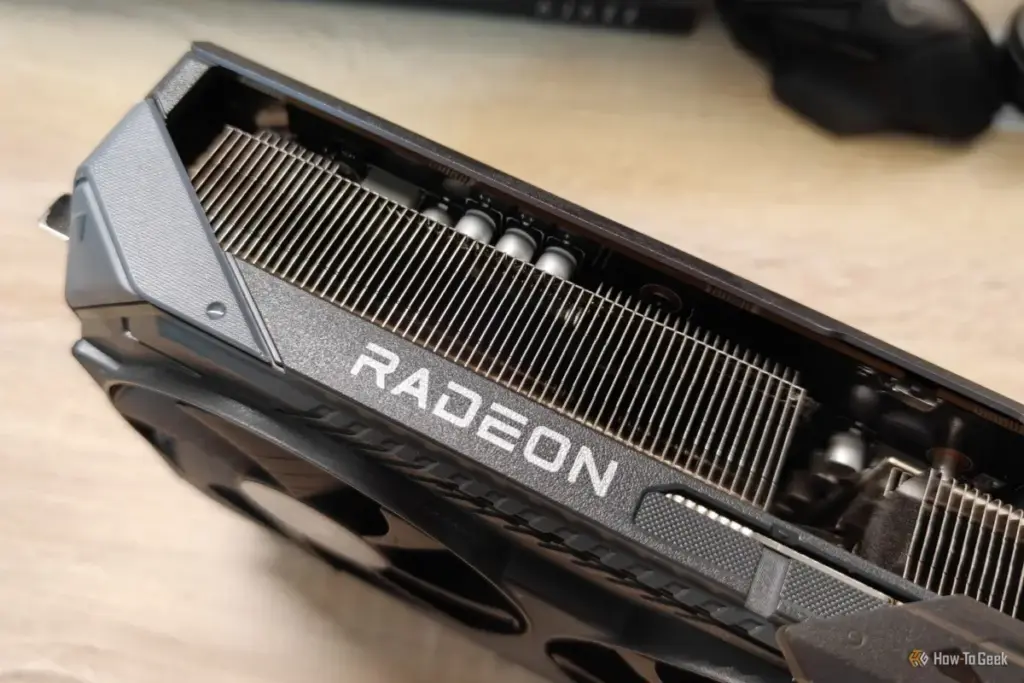
Furthermore, the visual cost of upscaling is often understated. While DLSS is currently the gold standard for image reconstruction—generally producing fewer artifacts than AMD’s FSR (FidelityFX Super Resolution)—it is still an approximation. High-speed movement can still result in ghosting, shimmering, or a loss of fine detail. When an AMD card is powerful enough to run a game at native resolution without upscaling, it bypasses these visual compromises entirely.
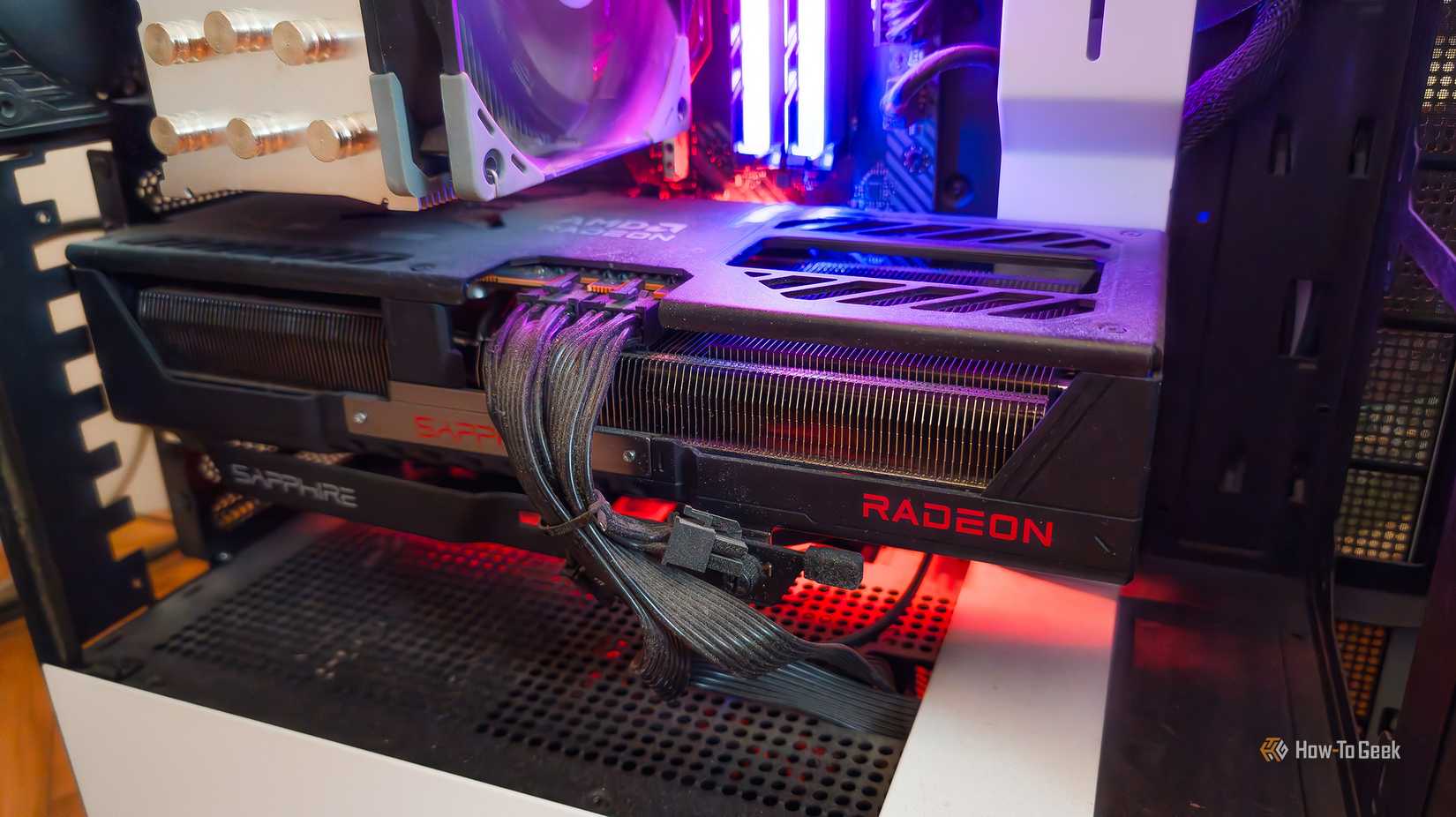
The disparity is most evident when comparing the RTX 5060 Ti 16GB to the RX 9070 XT. At current market prices, these cards often occupy the same price bracket, yet the AMD card is consistently 60% to 70% faster in raw performance at 1440p and 4K resolutions. In this scenario, the NVIDIA card isn’t just slightly behind; it is in an entirely different (and lower) performance class, despite costing the same. Even in ray tracing—NVIDIA’s traditional stronghold—the massive raw power of a higher-tier AMD card can often match or exceed the performance of a lower-tier NVIDIA card.
Reevaluating the "Default" Choice
For years, the standard advice for PC builders was to buy NVIDIA unless they were on a strict budget. NVIDIA was the "safe" choice, the "premium" choice, and the "feature-complete" choice. But as we move deeper into 2026, that advice is becoming increasingly obsolete.
The argument for NVIDIA now rests almost entirely on niche use cases. If you are a professional or a hobbyist working with local AI models, the CUDA platform remains the industry standard, and NVIDIA is a requirement. If you have an unlimited budget and are purchasing the flagship RTX 5090 because you simply want the fastest card in existence regardless of cost, NVIDIA remains the only option.
However, for the vast majority of gamers—those looking for the best possible experience at a given price point—the "GeForce Tax" has become too high to ignore. AMD’s software suite, while still trailing slightly in AI-upscaling quality, has narrowed the gap significantly. AMD’s ROCm (Radeon Open Compute) is making strides in the AI space, and FSR Frame Generation has become a viable alternative for those who need it.
When the price difference between two competing GPUs is enough to fund a CPU upgrade or double your system’s RAM, the value of "software features" must be scrutinized. At today’s retail prices, NVIDIA cards are asking consumers to pay more for less hardware, relying on the magic of AI to hide the fact that they are being outpaced by the competition. For the sensible gamer, the choice is shifting: the "premium" experience is no longer about the logo on the box, but about the raw performance and longevity that only a better-priced piece of silicon can provide.
 Tech Tutorials & How-To Guides
Amazon Unveils Comprehensive 2026 Kindle Overhaul Featuring First Color Scribe and Thinner Designs
Amazon has officially announced a sweeping transformation of its entire Kindle ecosystem,...
 Tech Tutorials & How-To Guides
Netflix Expands October Streaming Lineup With High-Stakes Sports Dramas and Darkly Humorous Animation
As the autumn chill settles in and the evening air turns crisp,...
 Tech Tutorials & How-To Guides
Open-Source Innovation: Transforming Modern Living Through Versatile ESP32-Based Smart Home Integrations
The landscape of the modern smart home is often dominated by a...







