

For those who grew up navigating the digital landscape of the 1990s, the ritual of ending a computing session was as deliberate as the work itself. It often began with the manual "park" command, a necessary precaution to ensure the hard drive’s read-write heads were safely tucked away before the power was cut. Failing to do so risked a catastrophic "head crash," potentially corrupting data or rendering the drive useless. In that era, the computer was a static, isolated tool. When you were finished with your tasks, the machine had no further purpose, and leaving it on meant subjecting a flickering CRT monitor to the permanent "burn-in" of a static command prompt.
However, the technology that defined those early decades has undergone a radical transformation. As we move further into the 2020s, the hardware and software ecosystems have evolved to a point where the traditional nightly shutdown has transitioned from a mandatory safety measure to an optional, and sometimes even counterproductive, habit. While the instinct to "give the machine a rest" persists among long-time users, modern architectural standards for both hardware and operating systems suggest that the "always-on" or "sleep" approach is far more aligned with how today’s technology is designed to function.
The Shift Toward Connected Maintenance
The primary reason to reconsider the nightly shutdown lies in the fundamental change in what a computer does when it is "idle." A modern PC is no longer an isolated island; it is a node in a vast, interconnected network. Unlike the single-tasking machines of the past, today’s systems are designed to perform a significant amount of "housekeeping" during periods of inactivity.

When a computer is left on overnight, the operating system utilizes that downtime to perform essential maintenance that would otherwise interrupt the user during the workday. Windows, for instance, is programmed to download and prepare system updates, run virus scans, index files for faster searching, and perform disk optimization. By shutting the computer down every night, users often find themselves greeted by a sluggish system the following morning, as the PC struggles to perform these deferred tasks the moment it is powered back on.
Furthermore, the concept of "idle" power consumption has been revolutionized. In the early days of computing, a machine pulled a relatively consistent amount of power regardless of whether it was crunching numbers or sitting at a prompt. Modern components are significantly more intelligent. CPUs and GPUs now utilize sophisticated power states, scaling their energy consumption down to near-zero when the user is away. For many users, the actual cost of leaving a computer idling overnight amounts to mere cents per month, a trade-off that many find acceptable for the convenience of an instantly accessible and fully updated machine.
 Tech Tutorials & How-To Guides
The Evolution of Mobile Audio: Why Your Smartphone is a Professional-Grade Microphone in Disguise
In the modern era of digital content creation, the barrier to entry...
 Tech Tutorials & How-To Guides
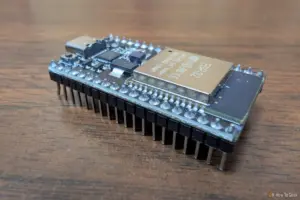
Open-Source Innovation: Transforming Modern Living Through Versatile ESP32-Based Smart Home Integrations
The landscape of the modern smart home is often dominated by a...
 Tech Tutorials & How-To Guides
Battle of the Store Brands: How Ryobi, Craftsman, and Hyper Tough Reshape the DIY Power Tool Market
In the modern landscape of home improvement, the barrier to entry for...






