
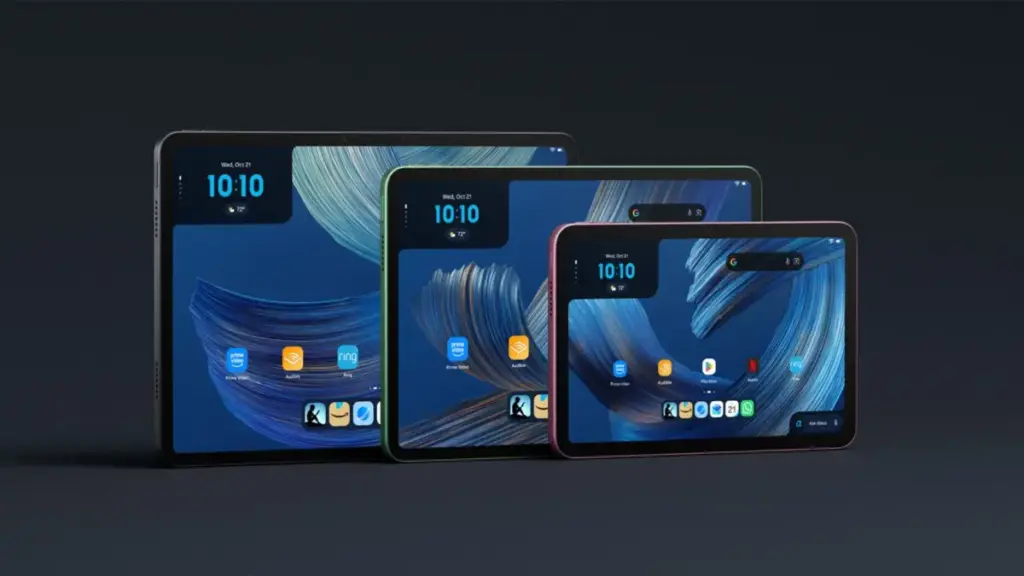
In a sweeping transformation of its mobile hardware strategy, Amazon has announced the complete discontinuation of its long-running Fire Tablet series, replacing it with a more sophisticated and powerful family of devices dubbed the Alexa Tablet. This transition marks a fundamental shift for the e-commerce giant, moving away from the budget-focused, locked-down ecosystem that defined its previous hardware efforts and toward a premium experience designed to compete directly with industry leaders like Apple and Samsung.
The new lineup, which includes the Alexa Tablet 12 Pro, the Alexa Tablet 11, and the Alexa Tablet 8, represents more than just a name change. In a move that will likely stun long-time critics of the Fire OS ecosystem, Amazon has confirmed that these new devices will ship with native access to the Google Play Store. This decision effectively ends a decade-long period of software isolation for Amazon tablets, allowing users to install the full breadth of the Android app catalog without the need for complex workarounds or sideloading.
While Amazon’s proprietary services remain a central part of the user experience, the inclusion of the Google Play Store means that staples like Gmail, Google Maps, YouTube, and specialized third-party applications will now run natively alongside Amazon’s own suite of tools. For years, the primary drawback of Amazon’s tablets was the limited selection available in the Amazon Appstore; by opening the gates to Google’s ecosystem, Amazon is positioning the Alexa Tablet as a versatile tool for both productivity and entertainment.
A New Vision for Hardware and Artificial Intelligence
The "Alexa" branding is not merely a marketing pivot; it reflects a deep integration of Amazon’s next-generation artificial intelligence. The tablets are built around the new Alexa+ platform, a conversational voice assistant designed specifically for a tablet-first interface. Unlike the standard voice commands found on older devices, Alexa+ on these tablets offers a more contextual and visual experience. It can provide on-screen advice, answer complex multi-part questions, and assist with navigating the device’s more advanced features through natural language.
Beyond AI, Amazon is leaning into its heritage as a leader in digital reading. One of the most notable software additions is the "Kindle Sanctuary" mode. Recognizing that many users purchase Amazon tablets primarily as enhanced e-readers, this feature allows the device to mimic the focused environment of a dedicated Kindle Paperwhite. When activated, Kindle Sanctuary silences all incoming notifications, adjusts the screen to reduce blue light, and offers specialized visual profiles. Users can choose between softened color palettes or a monochrome "e-paper" aesthetic that mimics the high-contrast, low-strain look of a traditional E Ink display.
The hardware itself has also undergone a significant upgrade. Moving away from the plastic-heavy designs of the Fire era, the Alexa Tablet family features high-quality aluminum bodies, giving the devices a more professional and durable feel. This shift toward premium materials signals Amazon’s intent to move "upscale," targeting users who might have previously dismissed Fire tablets as entry-level media players.
The Alexa Tablet 12 Pro: A Flagship for Productivity
 Tech Tutorials & How-To Guides
The Ghost in the Machine: Investigating the Root Causes of Unexpected Windows Wake Events
For many Windows users, the experience is unnervingly familiar: a desktop or...
 Tech Tutorials & How-To Guides
Beyond the Drill: How Ryobi’s ONE+ Ecosystem is Redefining the Modern Home and Workshop
For decades, the image of a cordless power tool was tethered strictly...
 Tech Tutorials & How-To Guides
The Cost of Convenience: Analyzing the Value Proposition of Milwaukee’s M18 Cordless Lineup
In the modern landscape of construction and woodworking, the corded power tool...







