
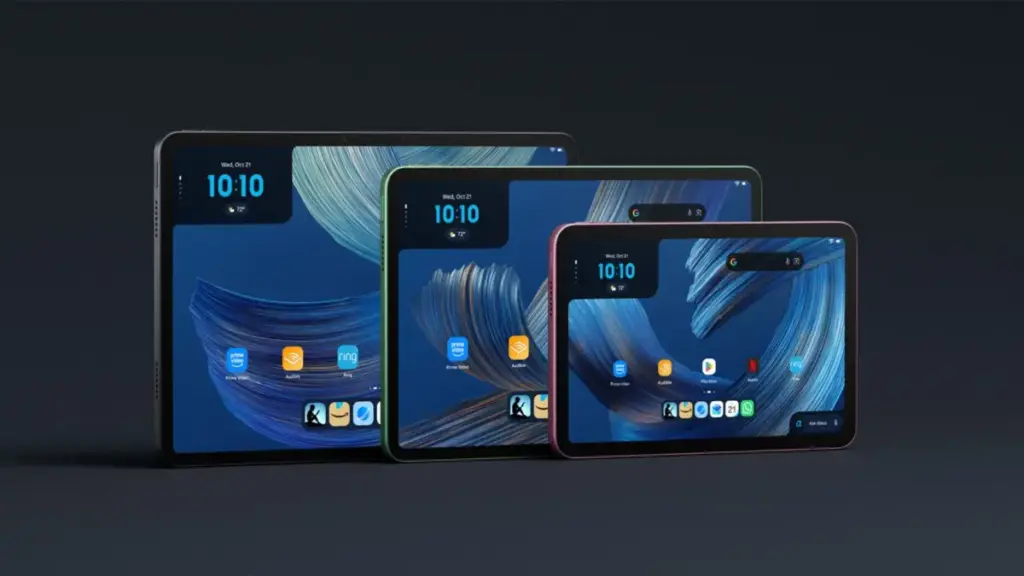
In a sweeping transformation of its mobile hardware strategy, Amazon has announced the complete discontinuation of its long-running Fire Tablet series, replacing it with a more sophisticated and powerful family of devices dubbed the Alexa Tablet. This transition marks a fundamental shift for the e-commerce giant, moving away from the budget-focused, locked-down ecosystem that defined its previous hardware efforts and toward a premium experience designed to compete directly with industry leaders like Apple and Samsung.
The new lineup, which includes the Alexa Tablet 12 Pro, the Alexa Tablet 11, and the Alexa Tablet 8, represents more than just a name change. In a move that will likely stun long-time critics of the Fire OS ecosystem, Amazon has confirmed that these new devices will ship with native access to the Google Play Store. This decision effectively ends a decade-long period of software isolation for Amazon tablets, allowing users to install the full breadth of the Android app catalog without the need for complex workarounds or sideloading.
While Amazon’s proprietary services remain a central part of the user experience, the inclusion of the Google Play Store means that staples like Gmail, Google Maps, YouTube, and specialized third-party applications will now run natively alongside Amazon’s own suite of tools. For years, the primary drawback of Amazon’s tablets was the limited selection available in the Amazon Appstore; by opening the gates to Google’s ecosystem, Amazon is positioning the Alexa Tablet as a versatile tool for both productivity and entertainment.
A New Vision for Hardware and Artificial Intelligence
The "Alexa" branding is not merely a marketing pivot; it reflects a deep integration of Amazon’s next-generation artificial intelligence. The tablets are built around the new Alexa+ platform, a conversational voice assistant designed specifically for a tablet-first interface. Unlike the standard voice commands found on older devices, Alexa+ on these tablets offers a more contextual and visual experience. It can provide on-screen advice, answer complex multi-part questions, and assist with navigating the device’s more advanced features through natural language.
Beyond AI, Amazon is leaning into its heritage as a leader in digital reading. One of the most notable software additions is the "Kindle Sanctuary" mode. Recognizing that many users purchase Amazon tablets primarily as enhanced e-readers, this feature allows the device to mimic the focused environment of a dedicated Kindle Paperwhite. When activated, Kindle Sanctuary silences all incoming notifications, adjusts the screen to reduce blue light, and offers specialized visual profiles. Users can choose between softened color palettes or a monochrome "e-paper" aesthetic that mimics the high-contrast, low-strain look of a traditional E Ink display.
The hardware itself has also undergone a significant upgrade. Moving away from the plastic-heavy designs of the Fire era, the Alexa Tablet family features high-quality aluminum bodies, giving the devices a more professional and durable feel. This shift toward premium materials signals Amazon’s intent to move "upscale," targeting users who might have previously dismissed Fire tablets as entry-level media players.
The Alexa Tablet 12 Pro: A Flagship for Productivity
At the top of the new hierarchy sits the Alexa Tablet 12 Pro. This flagship model is a clear departure from anything Amazon has produced in the past, featuring specifications that rival high-end professional tablets. Powering the device is an unnamed eight-core processor paired with up to 16GB of RAM, a configuration intended to handle intensive multitasking and creative applications that were previously out of reach for Amazon’s hardware.
The centerpiece of the 12 Pro is its 12-inch display. The screen features a 120Hz refresh rate, ensuring smooth scrolling and responsive touch input. Amazon is also introducing an optional "Nanomatte" display technology for this model. Similar to the specialized coatings found on high-end monitors and professional-grade tablets, the Nanomatte finish is designed to drastically reduce glare from overhead lights or sunlight without sacrificing the accuracy of colors or the sharpness of the text.
To further emphasize the 12 Pro’s status as a productivity machine, Amazon has launched a suite of professional accessories. A magnetically attached keyboard allows the tablet to function as a laptop replacement, while the Alexa Tablet Pro Pen offers low-latency input for artists and note-takers. These additions place the 12 Pro in direct competition with the iPad Pro and the Samsung Galaxy Tab S series, catering to a demographic that needs a device for work as much as for play.
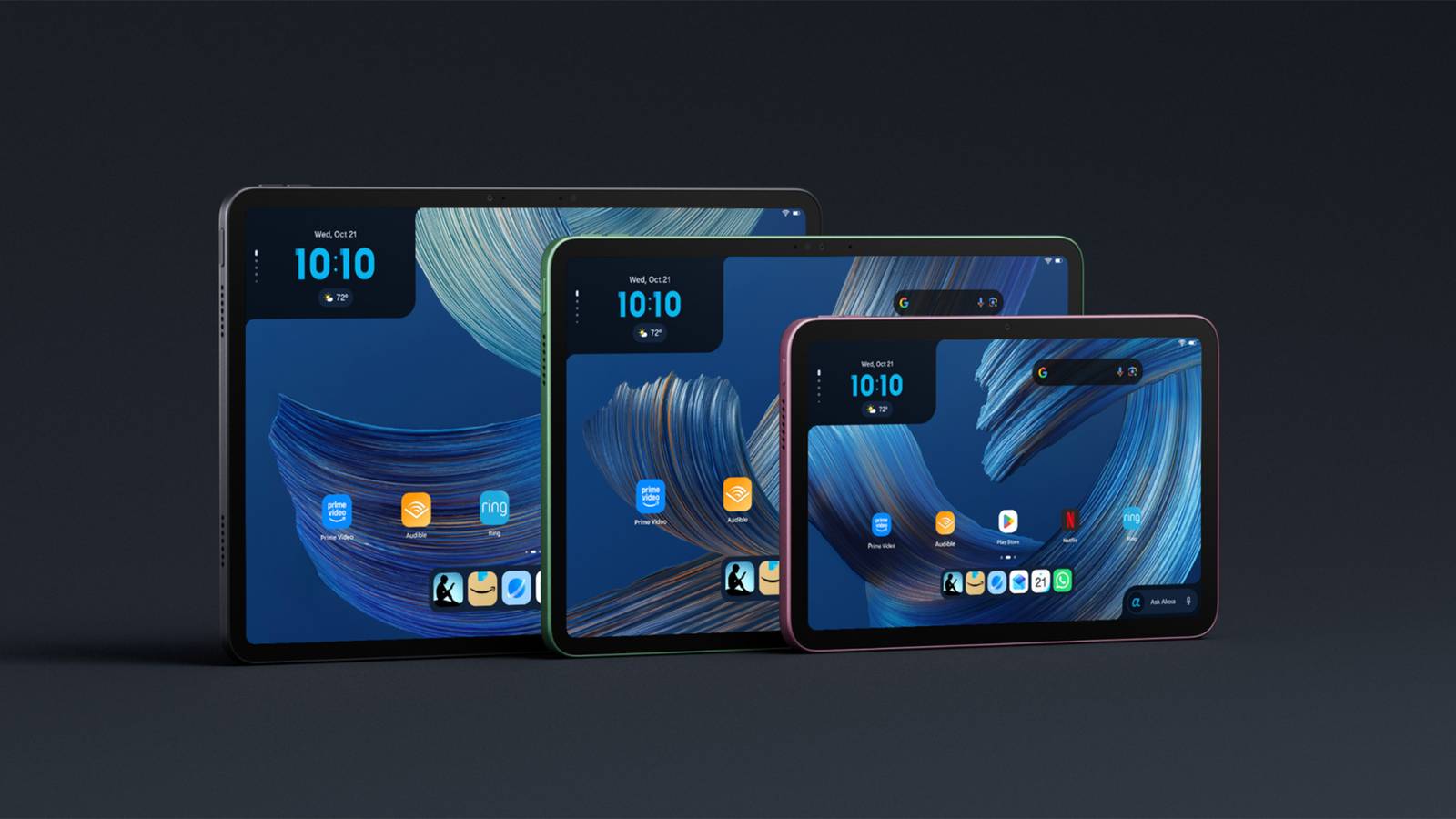
Mid-Range and Compact Options: The Alexa Tablet 11 and 8
While the 12 Pro targets the high-end market, the Alexa Tablet 11 is positioned as the mainstream choice for the average consumer. It features an 11-inch screen with a 90Hz refresh rate, offering a middle ground between the flagship’s fluidity and the standard 60Hz displays of the past. Under the hood, it retains an eight-core CPU and 8GB of RAM, providing enough power for smooth media consumption and gaming. Amazon claims the Alexa Tablet 11 can provide up to 15 hours of continuous video playback, making it a robust companion for long-haul travel.
For those who prefer a more portable form factor, the Alexa Tablet 8 offers a compact 8.7-inch display. Designed for comfortable one-handed use, it is ideal for reading and casual browsing. Despite its smaller size, it still packs an eight-core chip and offers 14 hours of battery life.
Amazon is also continuing its commitment to younger users with specialized "Kids" versions of the 11-inch and 8.7-inch models. These versions include a protective, childproof case and a one-year subscription to Amazon Kids+, which provides access to a vast library of age-appropriate books, games, and videos. These models maintain the same internal hardware as the standard versions, ensuring that performance remains snappy even during demanding educational games.
Amazon Alexa Tablets: Price, Release Date, and the End of Fire Tablets
The transition to the Alexa Tablet brand comes with a corresponding shift in pricing, reflecting the improved materials and expanded capabilities of the hardware. The entire range is scheduled for release on October 14, with pre-orders beginning immediately.
The devices are moving upscale
The flagship Alexa Tablet 12 Pro is priced at $500 for the base model, which includes a conventional glass screen, 8GB of RAM, and 128GB of internal storage. For users who want the glare-reducing benefits of the Nanomatte display, the price increases to $550. The productivity accessories are sold separately, with the Alexa Tablet Pro Keyboard priced at $150 and the Alexa Tablet Pro Pen at $90. When fully equipped, the 12 Pro represents a significant investment, but one that Amazon believes is justified by the device’s versatility and the inclusion of the Google Play Store.
The mainstream Alexa Tablet 11 starts at $330, offering 8GB of RAM and 64GB of storage. This puts it in a competitive position against mid-range tablets from Lenovo and Samsung. The more portable Alexa Tablet 8 is priced at $220 for a configuration with 4GB of RAM and 64GB of storage.
The specialized Kids editions are priced slightly higher than the base hardware to account for the included accessories and services. The 11-inch Kids version is priced at $330, while the 8.7-inch Kids model will retail for $230.
By discontinuing the Fire Tablet series, Amazon is effectively closing a chapter on its "budget-first" philosophy. For years, the Fire line was the go-to recommendation for those who wanted the cheapest possible portal into the Amazon ecosystem. However, as mobile software has become more demanding and user expectations for build quality have risen, the limitations of the Fire brand became more apparent.
The launch of the Alexa Tablet family signifies that Amazon is no longer content with being a secondary "couch device." With the combination of premium aluminum builds, high-refresh-rate displays, advanced AI integration, and—most importantly—the freedom of the Google Play Store, Amazon has finally delivered a tablet lineup that can stand on its own as a primary computing device. Consumers in the U.S. now have a genuine fifth major alternative in the tablet market, offering a unique blend of Amazon’s service ecosystem and the expansive world of Android applications.
 Tech Tutorials & How-To Guides
Paramount+ Expands Library with Major October Update as Spooky Season Begins
As the calendar turns to October and the first chill of autumn...
 Tech Tutorials & How-To Guides
Essential Roadside Resilience: Why Modern Drivers are Turning to Portable Battery-Powered Solutions
The modern driving experience is often defined by a sense of seamless...
 Tech Tutorials & How-To Guides
The Raspberry Pi Returns to Its Maker Roots: Three Innovative Hardware Projects for the Modern Tinkerer
As the technology landscape continues to evolve in 2026, the role of...







