
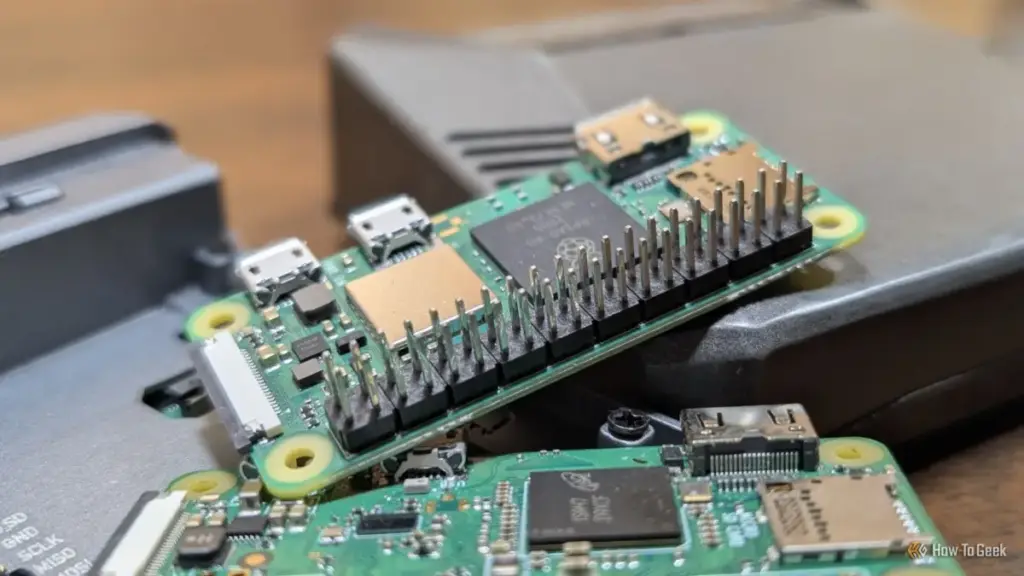
As the technology landscape continues to evolve in 2026, the role of the Raspberry Pi is undergoing a significant transformation. Once the undisputed king of the budget homelab, the versatile single-board computer is increasingly ceding its server duties to more powerful mini-PC architectures. However, this shift does not signal the end of the Pi’s relevance; rather, it marks a homecoming. Patrick Campanale, a tech industry veteran with over a decade of experience in gaming, custom PC manufacturing, and maker-focused technology, suggests that the Raspberry Pi is finding its true purpose once again as the heart of bespoke hardware projects.
For those looking to transition their idle hardware into something more tactile and engaging, the current ecosystem offers a wealth of opportunities. From nostalgic audio devices to functional home infrastructure, the Raspberry Pi remains the premier choice for projects that require a bridge between the digital and physical worlds. This weekend, makers are encouraged to explore three specific builds that highlight the unique capabilities of the Pi: a vintage-inspired internet radio, a robust room-to-room intercom system, and a professional-grade backyard scoreboard.
The Tactile Appeal of the Internet Radio with a Tuning Knob
In an era dominated by sleek touchscreens and voice-activated assistants, there is a growing appreciation for the tactile feedback of legacy hardware. Patrick Campanale reflects on the nostalgia of the 1990s—a time when jukeboxes anchored restaurants and shop shelves were adorned with radios featuring physical tuning and volume knobs. While the underlying technology has moved from analog airwaves to digital streams, the physical experience of "searching" for a station remains a satisfying interaction that modern apps often fail to replicate.
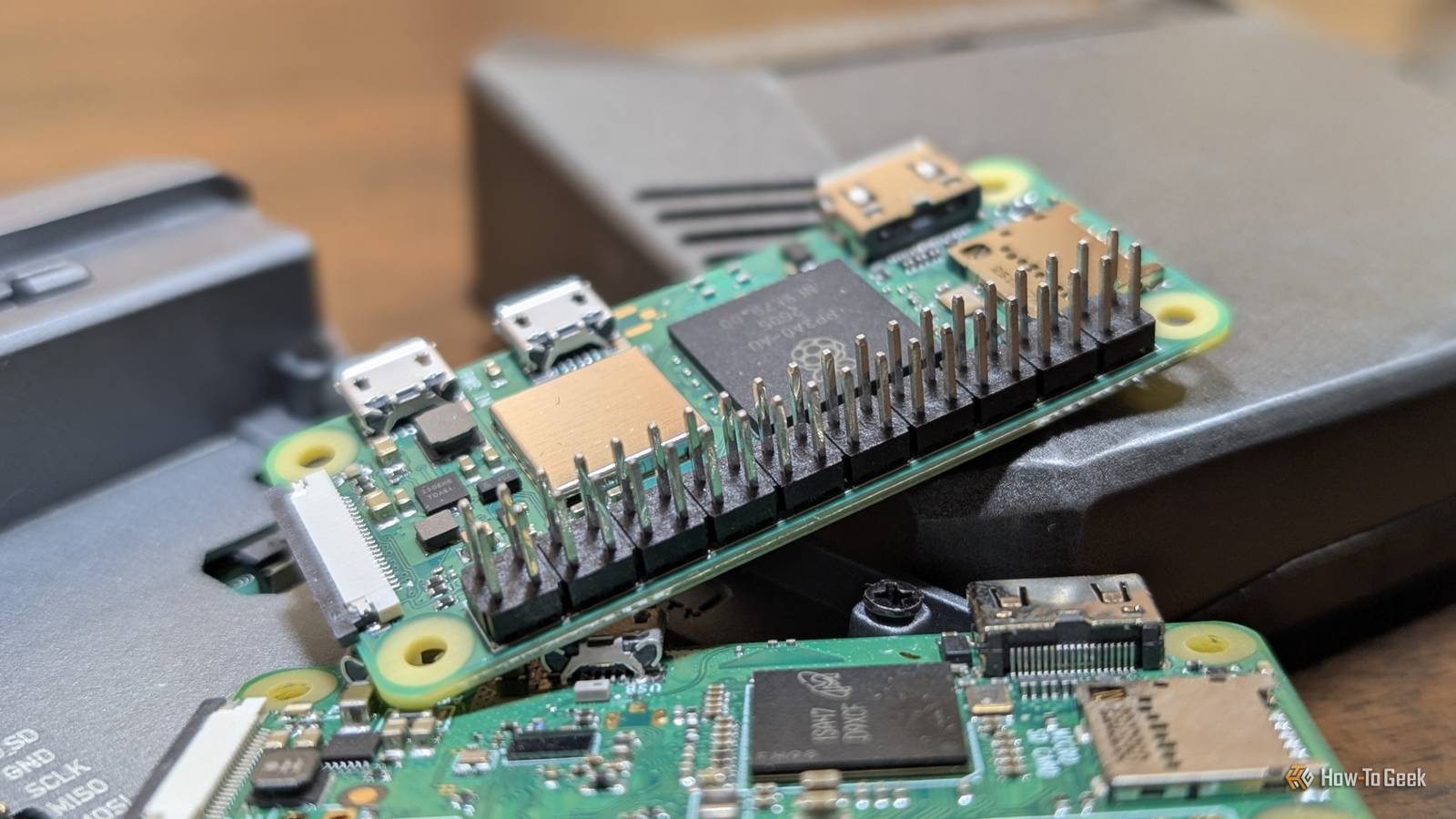
The beauty of building an internet radio with a Raspberry Pi lies in its ability to blend 1996 aesthetics with 2026 connectivity. The core of this build involves more than just software; it requires a hardware interface consisting of potentiometers and an analog-to-digital converter (ADC). Because the Raspberry Pi’s GPIO pins are digital, the ADC acts as a crucial translator, converting the physical rotation of a knob into data that the Pi can use to cycle through a list of preset internet radio URLs.
For those looking to dive into this project, the official Raspberry Pi internet radio tutorial provides a solid foundation for building the web portal and station-selection logic. However, for a deeper dive into the "retro" aesthetic, projects like the Raspberry Pi Retro World Radio offer alternative paths that emphasize the vintage feel. This project is particularly well-suited for families; by customizing the preset URLs, parents can create a curated, safe listening environment for children that encourages them to interact with hardware rather than just a screen. To add a final professional touch, the integration of a small OLED panel can provide a visual "frequency" readout, completing the illusion of a classic FM tuner.
 Tech Tutorials & How-To Guides
Battle of the Store Brands: How Ryobi, Craftsman, and Hyper Tough Reshape the DIY Power Tool Market
In the modern landscape of home improvement, the barrier to entry for...
 Tech Tutorials & How-To Guides
The Hidden Cost of DLSS: Why NVIDIA’s Software Lead No Longer Justifies the GeForce Price Premium
For over a decade, NVIDIA has cultivated a nearly impenetrable software ecosystem...
 Tech Tutorials & How-To Guides
Beyond the Cloud: Why a Shift to Offline Password Management Is Becoming a Necessity for the Security-Conscious
In the modern digital landscape, the password manager has transitioned from a...







