
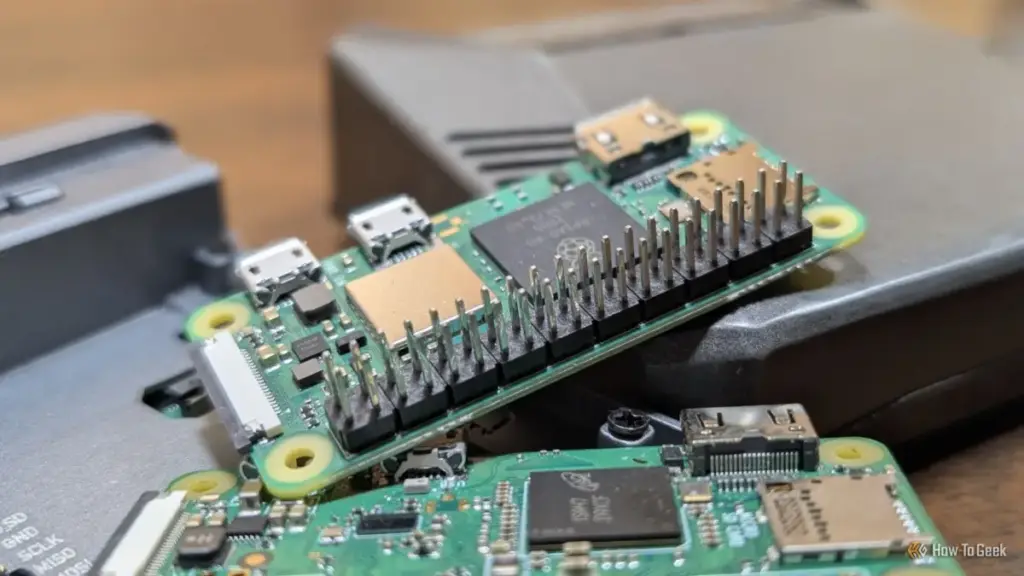
As the technology landscape continues to evolve in 2026, the role of the Raspberry Pi is undergoing a significant transformation. Once the undisputed king of the budget homelab, the versatile single-board computer is increasingly ceding its server duties to more powerful mini-PC architectures. However, this shift does not signal the end of the Pi’s relevance; rather, it marks a homecoming. Patrick Campanale, a tech industry veteran with over a decade of experience in gaming, custom PC manufacturing, and maker-focused technology, suggests that the Raspberry Pi is finding its true purpose once again as the heart of bespoke hardware projects.
For those looking to transition their idle hardware into something more tactile and engaging, the current ecosystem offers a wealth of opportunities. From nostalgic audio devices to functional home infrastructure, the Raspberry Pi remains the premier choice for projects that require a bridge between the digital and physical worlds. This weekend, makers are encouraged to explore three specific builds that highlight the unique capabilities of the Pi: a vintage-inspired internet radio, a robust room-to-room intercom system, and a professional-grade backyard scoreboard.
The Tactile Appeal of the Internet Radio with a Tuning Knob
In an era dominated by sleek touchscreens and voice-activated assistants, there is a growing appreciation for the tactile feedback of legacy hardware. Patrick Campanale reflects on the nostalgia of the 1990s—a time when jukeboxes anchored restaurants and shop shelves were adorned with radios featuring physical tuning and volume knobs. While the underlying technology has moved from analog airwaves to digital streams, the physical experience of "searching" for a station remains a satisfying interaction that modern apps often fail to replicate.
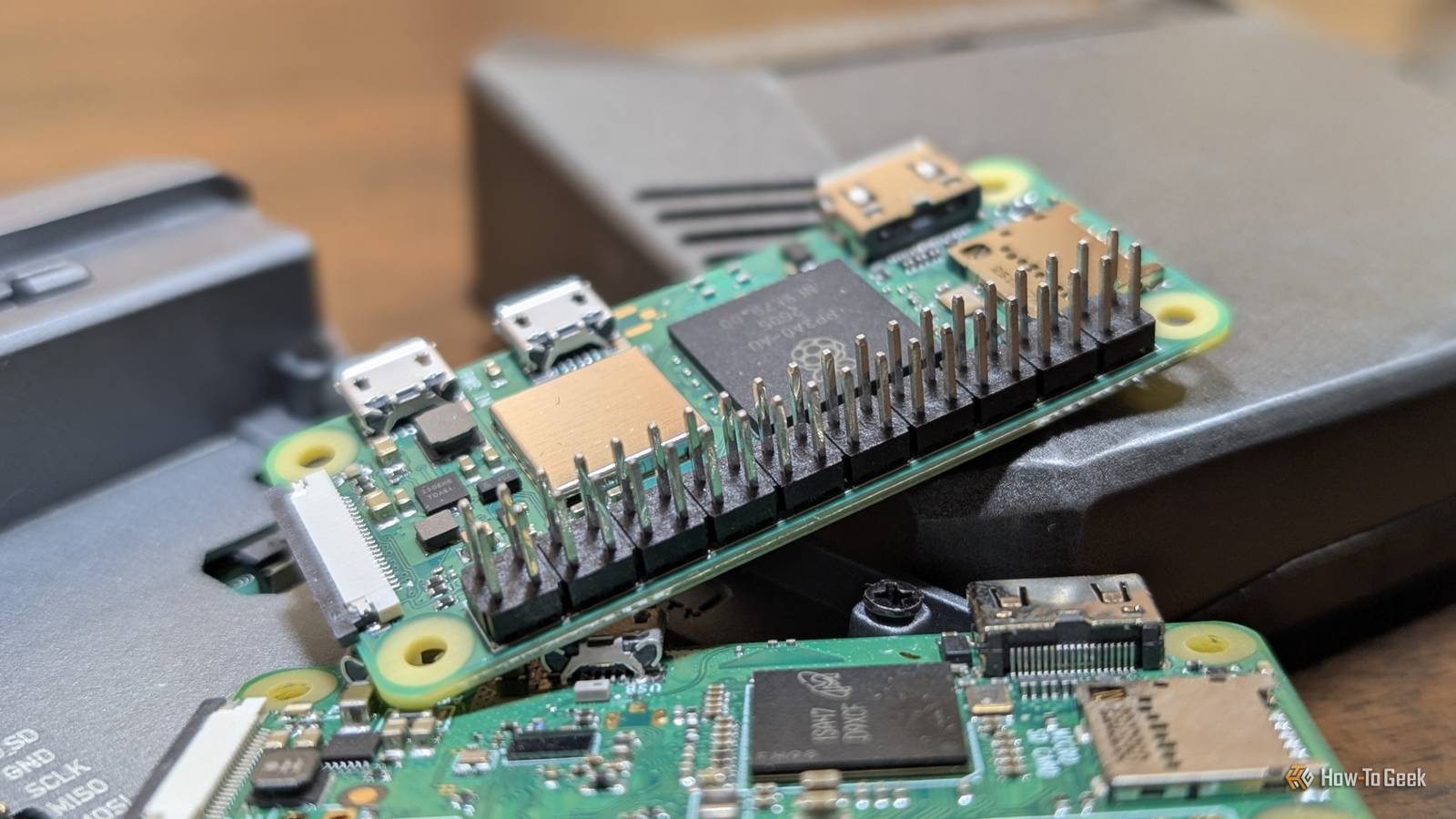
The beauty of building an internet radio with a Raspberry Pi lies in its ability to blend 1996 aesthetics with 2026 connectivity. The core of this build involves more than just software; it requires a hardware interface consisting of potentiometers and an analog-to-digital converter (ADC). Because the Raspberry Pi’s GPIO pins are digital, the ADC acts as a crucial translator, converting the physical rotation of a knob into data that the Pi can use to cycle through a list of preset internet radio URLs.
For those looking to dive into this project, the official Raspberry Pi internet radio tutorial provides a solid foundation for building the web portal and station-selection logic. However, for a deeper dive into the "retro" aesthetic, projects like the Raspberry Pi Retro World Radio offer alternative paths that emphasize the vintage feel. This project is particularly well-suited for families; by customizing the preset URLs, parents can create a curated, safe listening environment for children that encourages them to interact with hardware rather than just a screen. To add a final professional touch, the integration of a small OLED panel can provide a visual "frequency" readout, completing the illusion of a classic FM tuner.
Reviving the Home Intercom for the Modern Age
For many who grew up in the latter half of the 20th century, the built-in home intercom system—often branded by companies like Nutone—was a symbol of modern domestic convenience. Unfortunately, many of these systems have fallen into disrepair, with their complex in-wall wiring making them difficult to service. Campanale notes that while many homeowners have abandoned these systems, the desire for effortless, room-to-room communication remains.
The modern solution does not require tearing open walls or installing expensive proprietary hardware. Instead, a few Raspberry Pi units and a network connection can create a more robust and flexible intercom system than anything available in the 1980s. The technical backbone of this project is talKKonnect, an open-source, headless client for the Mumble protocol. Originally designed for low-latency voice communication in gaming, Mumble is an ideal platform for a DIY walkie-talkie or intercom system due to its stability and high audio quality.

Setting up a home intercom involves configuring a Mumble server and deploying at least two Raspberry Pi units equipped with microphones and speakers. While Wi-Fi is a viable option for many homes, a wired Ethernet connection provides the lowest latency and highest reliability. The talKKonnect software specifically leverages the Pi’s GPIO pins to allow for physical push-to-talk buttons and volume dials, turning a microcomputer into a dedicated communication appliance. Once the initial two-unit link is established, the system is infinitely scalable, allowing users to add a Pi to every room in the house, ensuring that "dinner is ready" announcements reach every ear without a raised voice.
Elevating the Backyard Experience with a Digital Scoreboard
As outdoor gatherings and backyard games like cornhole, horseshoes, and spikeball continue to grow in popularity, the need for clear, visible scorekeeping becomes apparent. For the "resident geek" of the neighborhood, the Raspberry Pi offers an opportunity to build a piece of equipment that is both functional and impressive: a large-scale LED scoreboard.
This project centers on the "rpi-rgb-led-matrix" project, a sophisticated library that allows a Raspberry Pi to drive large RGB LED matrix panels. These panels are the same type used in commercial digital signage and stadium displays, offering high brightness that is easily visible even in direct sunlight. Depending on the specific model of the Raspberry Pi being used, makers can daisy-chain multiple panels together to create a display large enough to be seen from the other side of a yard or park.
The hardware implementation goes beyond just the display. To make the scoreboard functional during a fast-paced game, Campanale suggests wiring physical buttons to the GPIO pins. A standard setup would include at least four buttons: an increment and decrement button for each of the two competing teams. For those seeking a more advanced build, a secondary, smaller display can be mounted on the rear of the unit to act as a "control panel" for the operator. This allows for more complex logic, such as switching between different scoring modes for various games or displaying custom victory animations. It is a project that perfectly illustrates the Pi’s ability to move beyond a desk and into the social fabric of a household.
The Strategic Pivot: Hardware Over Homelabs
The recommendation to use the Raspberry Pi for these specific hardware builds comes at a time when the "homelab" community is moving toward different hardware standards. For years, the Raspberry Pi was the go-to recommendation for running home servers, media centers, and network-wide ad blockers. However, as the price of Raspberry Pi units fluctuated and availability became an issue, a new contender emerged: the low-power mini-PC.
Systems based on processors like the Intel N100 have largely won the "homelab" war. These mini-PCs offer significantly higher compute power, native x86 compatibility, and built-in high-speed storage options (like NVMe SSDs) that far outpace the Raspberry Pi’s microSD card limitations. On almost every metric—performance per dollar, ease of virtualization, and raw throughput—the mini-PC is now the superior choice for a server.
Yet, this does not make the Raspberry Pi obsolete; it makes it specialized. The one area where a mini-PC cannot compete with a Raspberry Pi is in its GPIO (General Purpose Input/Output) headers. The ability to directly interface with sensors, buttons, LEDs, and specialized HATs (Hardware Attached on Top) is the Raspberry Pi’s "killer feature."
As Patrick Campanale points out, if you have a Raspberry Pi that has recently been retired from server duty in favor of a more capable mini-PC, it shouldn’t be relegated to a drawer. Instead, it should be returned to the workbench. Whether it is providing the soundtrack to a morning coffee via an internet radio, facilitating family communication through a DIY intercom, or keeping the peace during a competitive game of cornhole, the Raspberry Pi remains the gold standard for physical computing. The shift away from the homelab isn’t a retreat; it’s an opportunity for makers to rediscover the joy of building something tangible.
 Tech Tutorials & How-To Guides
The Linux Mint Paradox: Why the ‘Windows Alternative’ May Not Be the Gateway It’s Marketed to Be
For years, the tech community has championed Linux Mint as the definitive...
 Tech Tutorials & How-To Guides
Beyond the Drill: How Ryobi’s ONE+ Ecosystem is Redefining the Modern Home and Workshop
For decades, the image of a cordless power tool was tethered strictly...
 Tech Tutorials & How-To Guides
Five Highly Rated Comedy Series on Netflix for Quick and Easy Viewing
In the modern landscape of streaming, where "prestige television" often demands dozens...







