
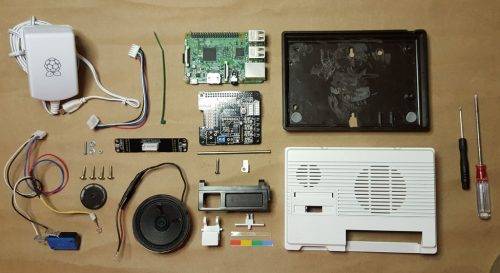
The hardware implementation goes beyond just the display. To make the scoreboard functional during a fast-paced game, Campanale suggests wiring physical buttons to the GPIO pins. A standard setup would include at least four buttons: an increment and decrement button for each of the two competing teams. For those seeking a more advanced build, a secondary, smaller display can be mounted on the rear of the unit to act as a "control panel" for the operator. This allows for more complex logic, such as switching between different scoring modes for various games or displaying custom victory animations. It is a project that perfectly illustrates the Pi’s ability to move beyond a desk and into the social fabric of a household.
The Strategic Pivot: Hardware Over Homelabs
The recommendation to use the Raspberry Pi for these specific hardware builds comes at a time when the "homelab" community is moving toward different hardware standards. For years, the Raspberry Pi was the go-to recommendation for running home servers, media centers, and network-wide ad blockers. However, as the price of Raspberry Pi units fluctuated and availability became an issue, a new contender emerged: the low-power mini-PC.
Systems based on processors like the Intel N100 have largely won the "homelab" war. These mini-PCs offer significantly higher compute power, native x86 compatibility, and built-in high-speed storage options (like NVMe SSDs) that far outpace the Raspberry Pi’s microSD card limitations. On almost every metric—performance per dollar, ease of virtualization, and raw throughput—the mini-PC is now the superior choice for a server.
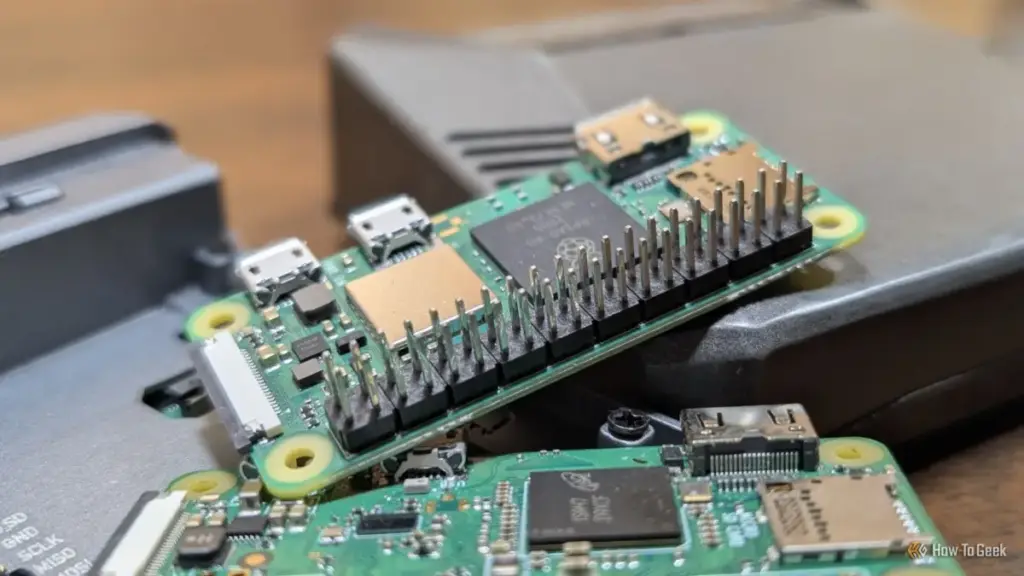
Yet, this does not make the Raspberry Pi obsolete; it makes it specialized. The one area where a mini-PC cannot compete with a Raspberry Pi is in its GPIO (General Purpose Input/Output) headers. The ability to directly interface with sensors, buttons, LEDs, and specialized HATs (Hardware Attached on Top) is the Raspberry Pi’s "killer feature."
As Patrick Campanale points out, if you have a Raspberry Pi that has recently been retired from server duty in favor of a more capable mini-PC, it shouldn’t be relegated to a drawer. Instead, it should be returned to the workbench. Whether it is providing the soundtrack to a morning coffee via an internet radio, facilitating family communication through a DIY intercom, or keeping the peace during a competitive game of cornhole, the Raspberry Pi remains the gold standard for physical computing. The shift away from the homelab isn’t a retreat; it’s an opportunity for makers to rediscover the joy of building something tangible.
 Tech Tutorials & How-To Guides
The Precision Gap: Why the Electric Screwdriver Has Become the Essential Companion to the Cordless Drill
In the world of home improvement and DIY maintenance, the cordless drill...
 Tech Tutorials & How-To Guides
From Satire to Slapstick: A Curated Selection of Netflix Comedies to Cure the Workday Blues
In the modern professional landscape, the transition from a high-stress office environment...
 Tech Tutorials & How-To Guides
Exploring the Frontiers of the Unknown: Three Essential Science Fiction Films to Stream on Netflix This Weekend
As the autumn of 2026 unfolds, the digital landscape of the American...







