
In the world of home improvement and DIY maintenance, the cordless drill has long reigned supreme as the undisputed heavyweight champion of the toolbox. For years, homeowners and professionals alike have relied on the raw power and versatility of 18V and 20V systems to tackle everything from assembling flat-pack furniture to boring holes through dense masonry. However, as tool technology evolves and the nature of household tasks becomes increasingly nuanced, a new dynamic is emerging in the workshop.
Nathaniel Pangaro, a tech enthusiast and veteran of device testing, recently highlighted a shift in his own workflow that mirrors a broader trend in the industry. Despite a long-standing reliance on a heavy-duty cordless drill, Pangaro found that the most powerful tool is not always the most effective. This realization led to the addition of a compact electric screwdriver to his arsenal—not as a successor to his drill, but as a specialized partner designed to handle the precision tasks that a high-torque drill often fumbles.
The transition highlights a fundamental truth in modern maintenance: while the drill remains the king of construction, the electric screwdriver is carving out a vital niche in the realm of accessibility, ergonomics, and everyday convenience.

The Portability Factor: Reimagining the Grab-and-Go Tool
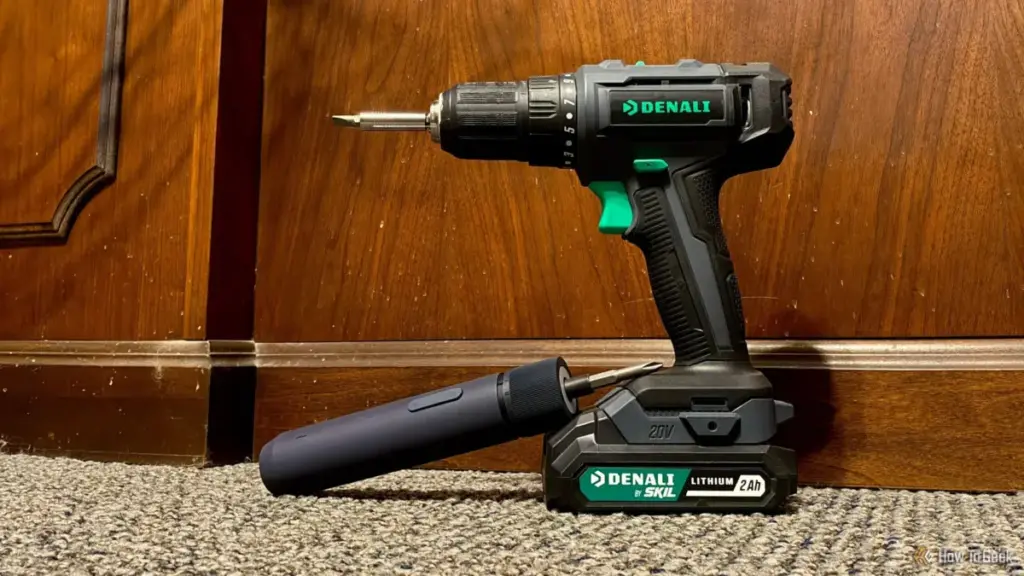
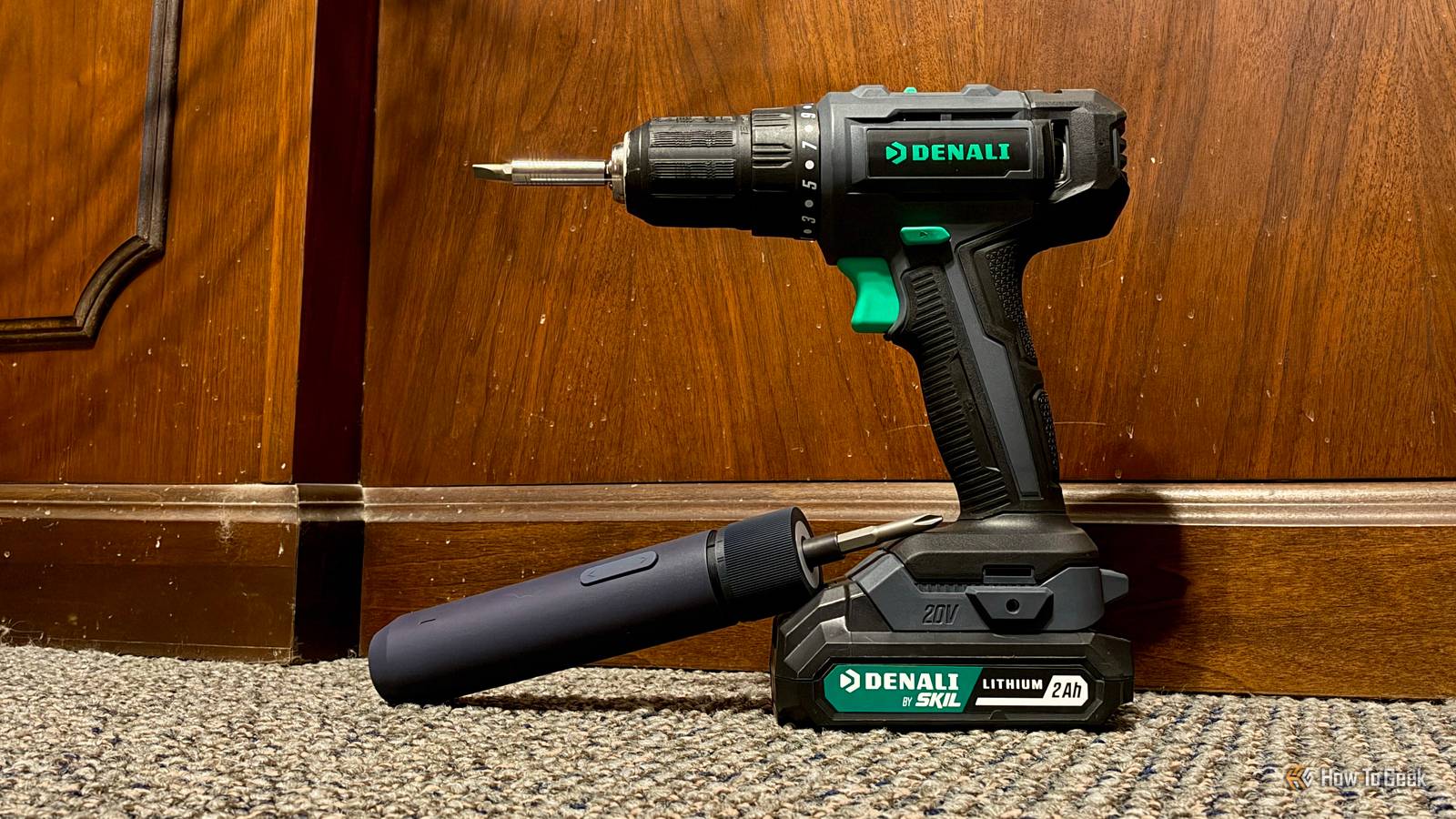
For many DIYers, the primary hurdle to finishing a quick repair isn’t the difficulty of the task, but the logistical friction of getting the tools ready. Heavy-duty cordless drills, while powerful, are inherently cumbersome. Pangaro’s primary driver, a Denali 20V Cordless Drill Driver, is a robust piece of machinery standing nearly 8 inches tall and weighing in at 2.2 pounds. While that weight is manageable for short bursts of activity, it represents a significant physical presence when stored or transported.
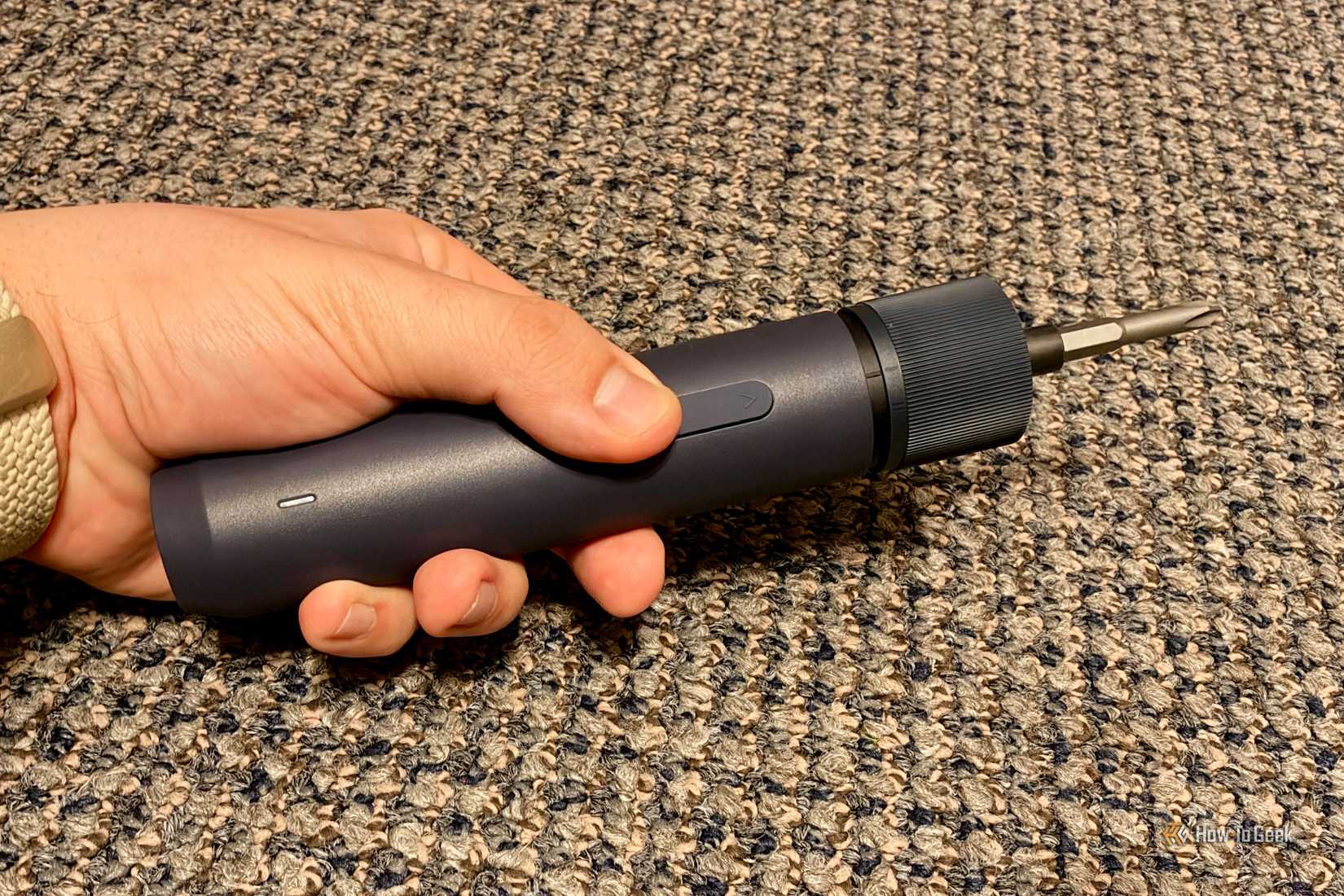
In contrast, the emergence of ultra-portable electric screwdrivers has redefined what "portable" means. Pangaro’s recent acquisition, the HOTO 3.6V Screwdriver, offers a stark comparison in form factor. Measuring approximately 7 inches in length and less than 2 inches in height, it weighs a mere 0.55 pounds. This represents a 75% reduction in weight compared to the standard 20V drill.
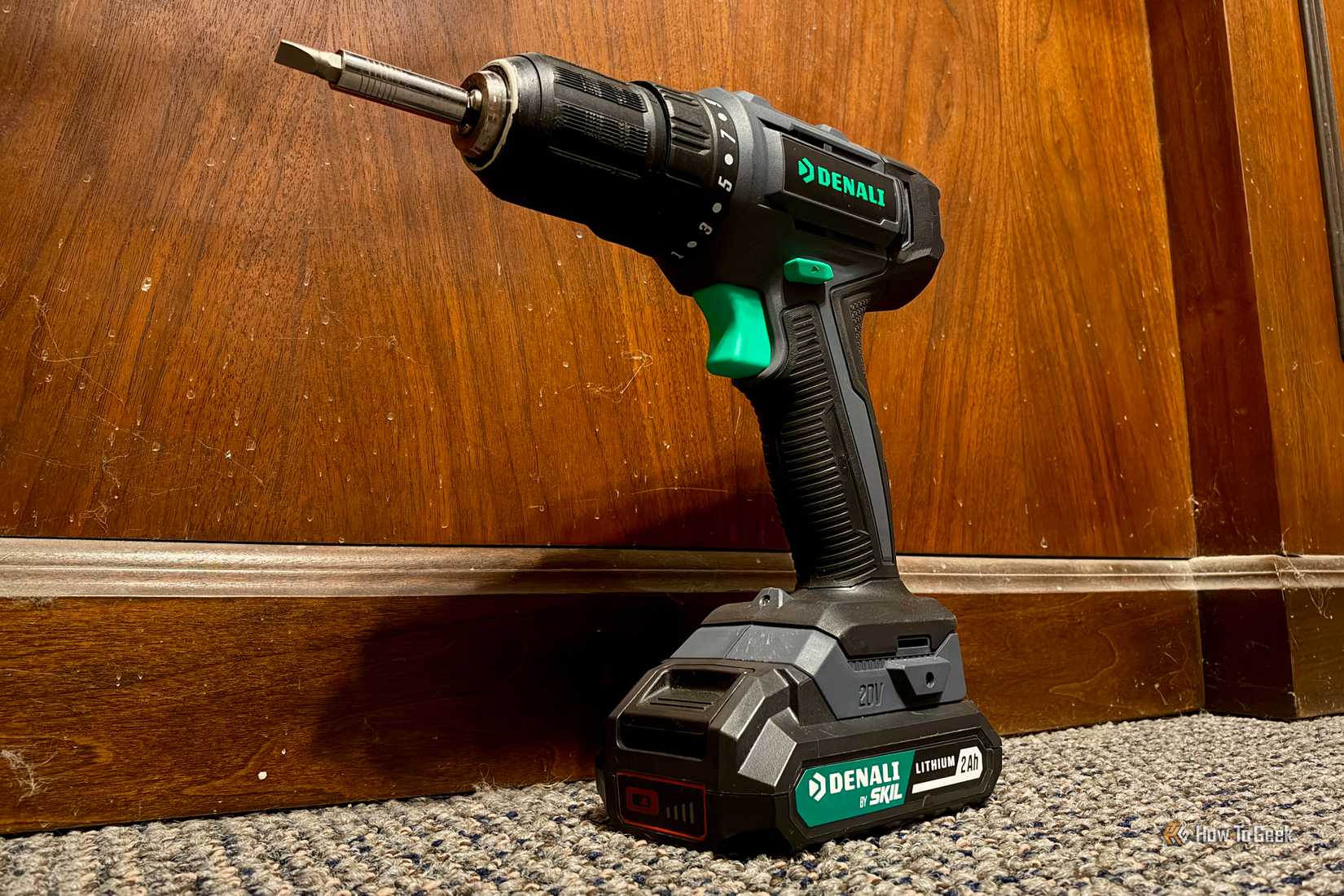
This weight difference is more than just a technical specification; it changes the way a user interacts with their environment. A 2.2-pound drill often requires its own dedicated carrying case, complete with a bulky charging dock and spare batteries. Transporting it from a basement workshop to a second-story bedroom becomes a deliberate act. The electric screwdriver, however, is small enough to fit into a jacket pocket or the back pocket of a pair of jeans. For tasks that require climbing a ladder or maneuvering through tight hallways, the ability to carry a powered tool without the need for a dedicated bag is a significant advantage.
Furthermore, the evolution of charging standards has bolstered the screwdriver’s case for convenience. Traditional cordless drills almost exclusively rely on proprietary battery platforms and bulky AC-powered cradles. If you find yourself at a remote site or even just in a room without a specialized charger, a dead battery can bring a project to a grinding halt. The HOTO 3.6V and many of its contemporaries have adopted the universal USB-C standard. This allows users to charge their tools using the same cables and power bricks they use for their smartphones, tablets, and laptops. In an era where USB-C is becoming the global standard for electronics, the integration of this port into power tools removes a major layer of friction for the average consumer.
Navigating the Constraints of Tight Spaces
Beyond the ease of transport, the physical dimensions of a tool dictate its utility in the "real world" of home maintenance. Modern homes are filled with tight corners, recessed cabinets, and narrow gaps behind appliances—areas where the bulky head of a traditional cordless drill simply cannot reach.
 Tech Tutorials & How-To Guides
Amazon Retires Fire Tablet Brand in Favor of New Alexa Tablet Line with Google Play Support
In a sweeping transformation of its mobile hardware strategy, Amazon has announced...
 Tech Tutorials & How-To Guides
A New Titan in Entertainment: Navigating the Skydance Merger and the Future of Streaming
The landscape of global media has undergone a seismic shift as the...
 Tech Tutorials & How-To Guides
The Fragile Alliance: Why Windows Continues to Disrupt Dual-Boot Linux Environments
For many technology enthusiasts and professionals, the ideal computing environment involves a...







