
The Enduring Necessity of the Power Drill
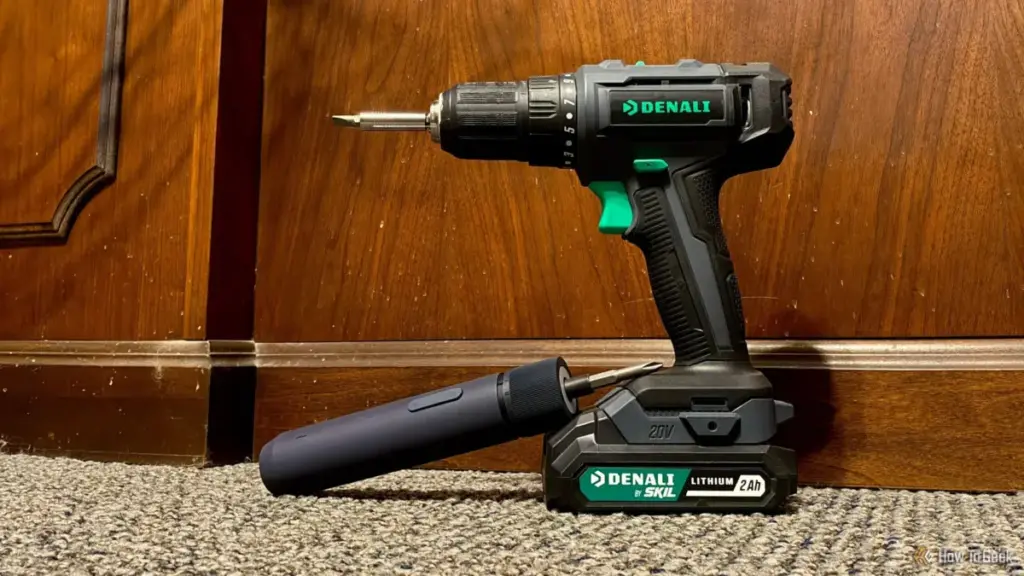
Despite the clear advantages of the electric screwdriver, it is not a replacement for the cordless drill. The relationship between the two is one of synergy, not competition. As Pangaro notes, the drill remains the "throne holder" for heavy-duty applications.
The most significant divide between the two tools is raw power. A 3.6V motor is perfectly adequate for driving a pre-threaded screw into a metal frame or a small wood screw into a pilot hole. However, it lacks the "grunt" required for structural work. When it comes to driving fasteners through dense hardwoods, brick, or metal, the high-torque output of a 20V system is non-negotiable.
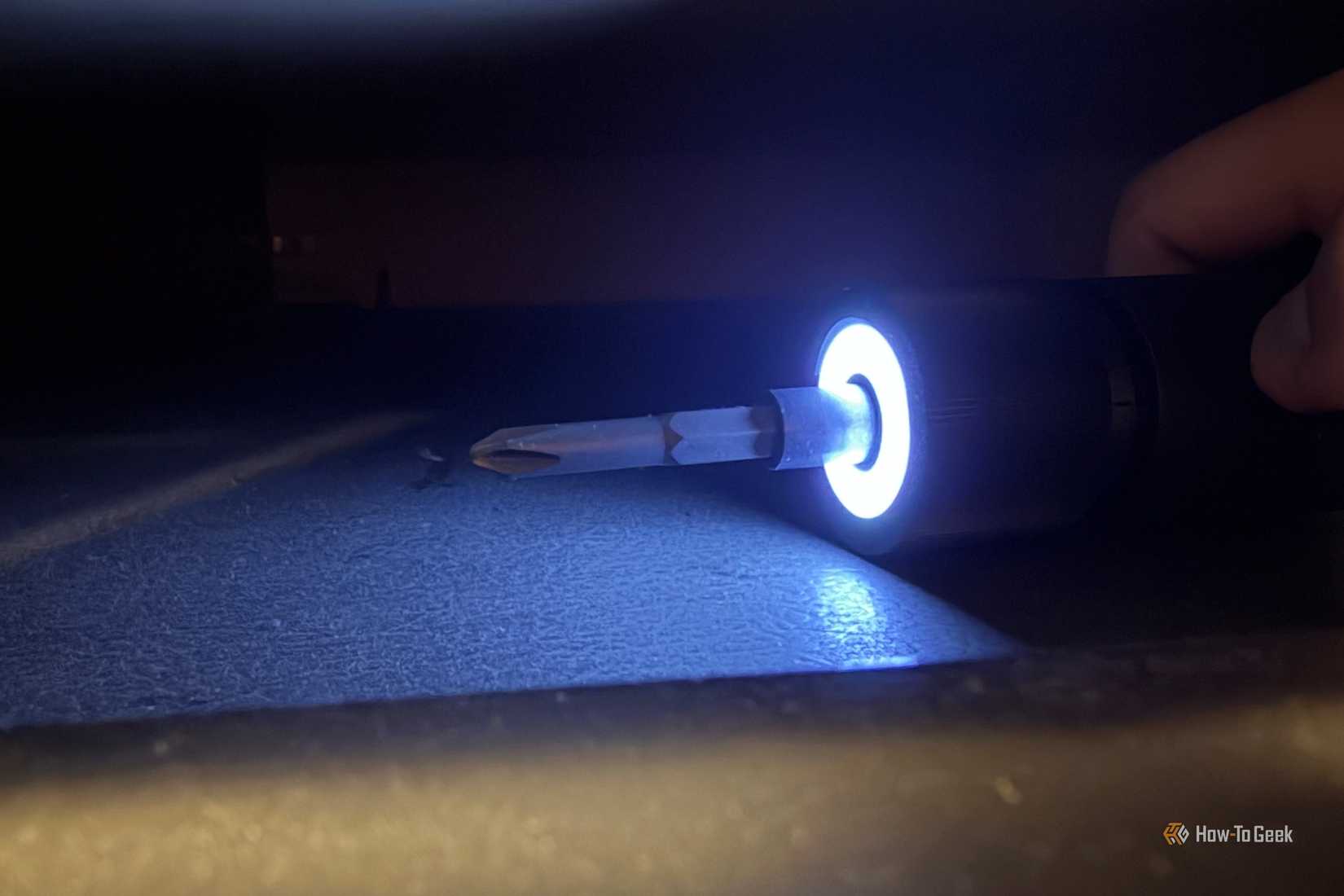
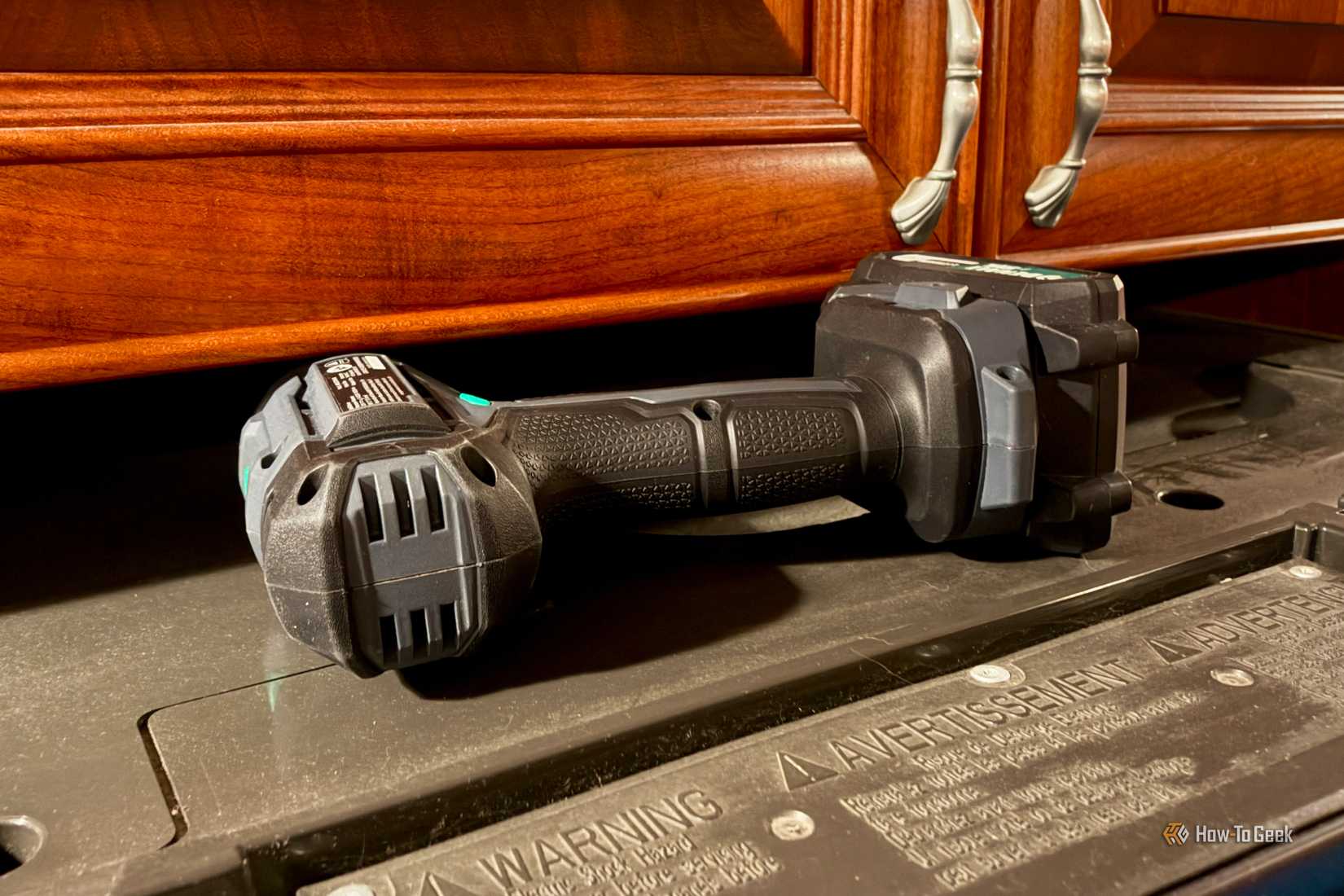
Furthermore, the cordless drill remains the primary tool for "boring"—the act of creating holes where none existed. Drill bits require high RPMs and significant pressure to cut through material. Most electric screwdrivers are designed primarily for "driving" (turning fasteners) rather than "drilling" (cutting material). In a typical workflow, the drill is used first to bore the pilot hole, and the electric screwdriver follows to precisely seat the fastener.
Systems like the Ryobi One+ Impact Drill/Driver illustrate the high end of this power spectrum. These tools are designed to "impact" the fastener, using internal hammers to provide bursts of rotational force that can drive even the most stubborn screws into solid timber. This is a level of mechanical intensity that a compact, USB-charged screwdriver is simply not designed to match.
A Unified Approach to the Modern Toolkit
The conclusion drawn by tech experts and hobbyists alike is that the "perfect" tool kit isn’t about finding a single device that does everything. Instead, it is about recognizing the limitations of power and the value of precision.
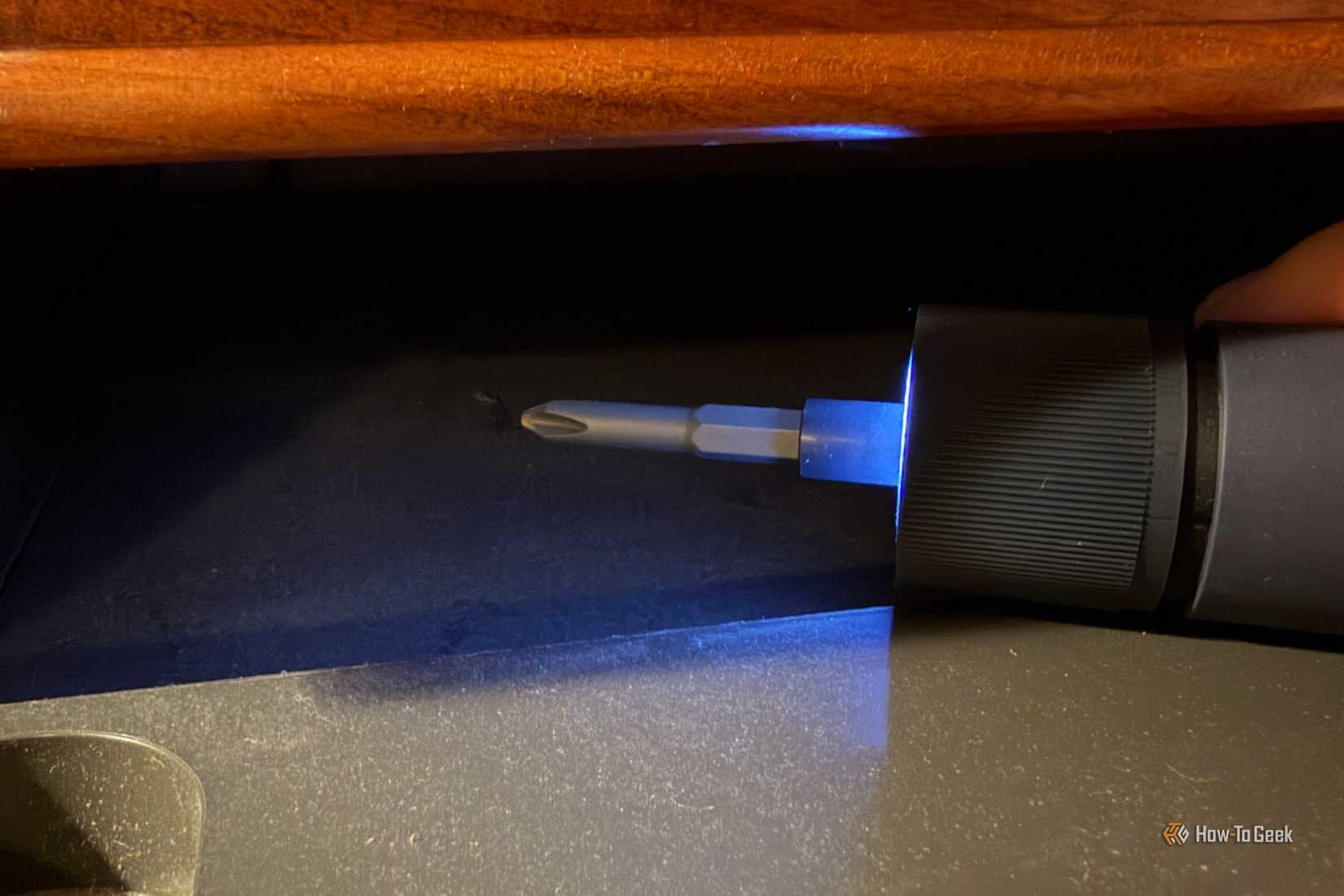
The cordless drill will likely always be the first tool purchased by a new homeowner; its ability to handle the "heavy lifting" of home ownership makes it an essential investment. However, the electric screwdriver has earned its place as the primary "companion" tool. By handling the 80% of household tasks that require finesse rather than force—assembling toys, fixing cabinet doors, or opening electronic compartments—the screwdriver preserves the user’s energy and protects delicate hardware.
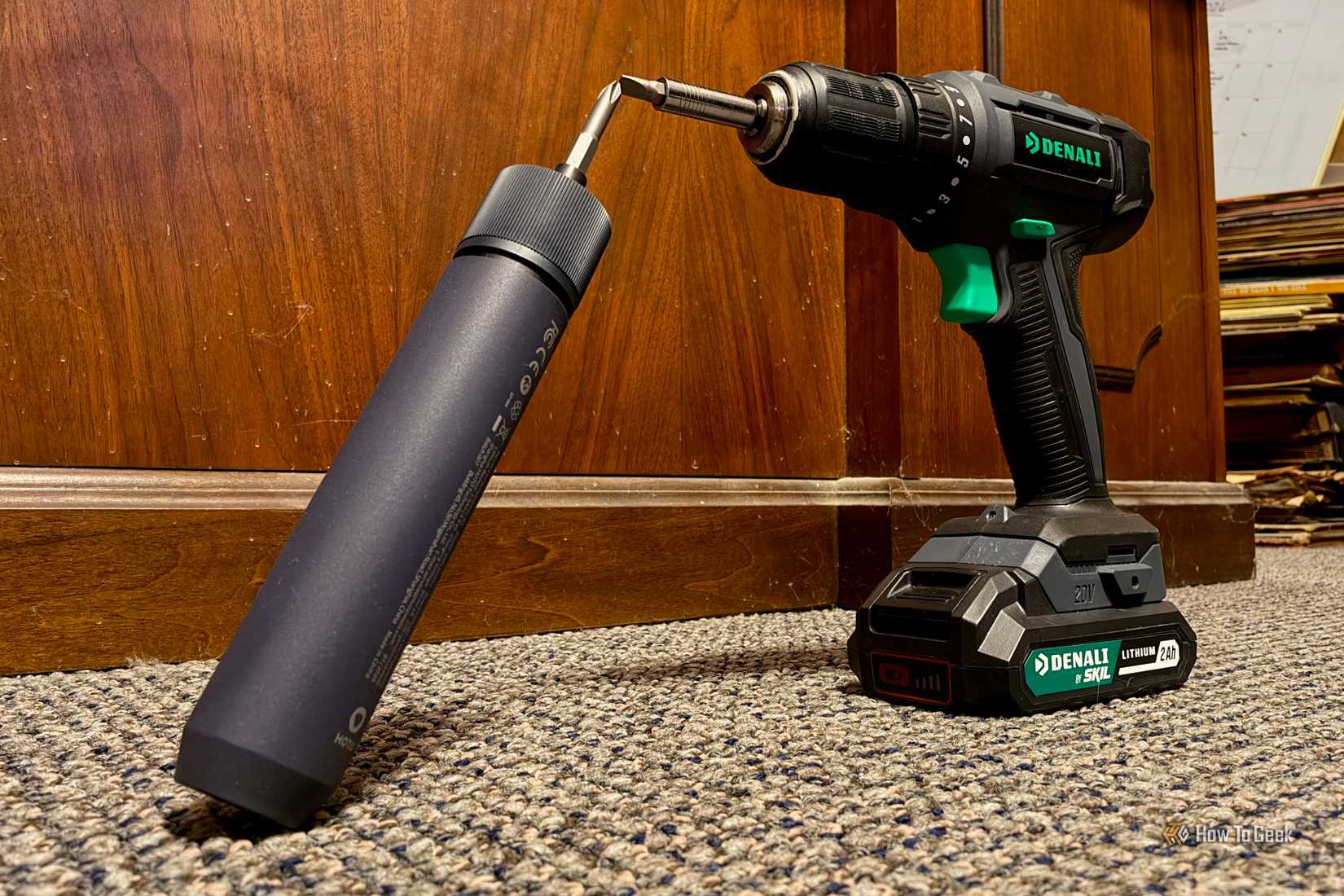
As Pangaro aptly summarizes, these tools are not rivals. They are a team. In the modern home, the drill provides the muscle, while the electric screwdriver provides the touch. Together, they ensure that no project is too big to handle, and no space is too small to reach. By integrating both into a maintenance routine, DIYers can work faster, safer, and with a level of precision that a single tool could never achieve alone.
 Tech Tutorials & How-To Guides
Beyond the Slicer: Why MeshLab Remains the Essential Tool for Repairing Corrupt 3D Models
The world of 3D printing has evolved from a niche hobby for...
 Tech Tutorials & How-To Guides
The Evolution of Mobile Audio: Why Your Smartphone is a Professional-Grade Microphone in Disguise
In the modern era of digital content creation, the barrier to entry...
 Tech Tutorials & How-To Guides
Unfiltered Cinema: Why R-Rated Hits Are Finding a Second Life on Major Streaming Platforms
In the modern landscape of digital entertainment, the motion picture rating system...







