
In the world of home improvement and DIY maintenance, the cordless drill has long reigned supreme as the undisputed heavyweight champion of the toolbox. For years, homeowners and professionals alike have relied on the raw power and versatility of 18V and 20V systems to tackle everything from assembling flat-pack furniture to boring holes through dense masonry. However, as tool technology evolves and the nature of household tasks becomes increasingly nuanced, a new dynamic is emerging in the workshop.
Nathaniel Pangaro, a tech enthusiast and veteran of device testing, recently highlighted a shift in his own workflow that mirrors a broader trend in the industry. Despite a long-standing reliance on a heavy-duty cordless drill, Pangaro found that the most powerful tool is not always the most effective. This realization led to the addition of a compact electric screwdriver to his arsenal—not as a successor to his drill, but as a specialized partner designed to handle the precision tasks that a high-torque drill often fumbles.
The transition highlights a fundamental truth in modern maintenance: while the drill remains the king of construction, the electric screwdriver is carving out a vital niche in the realm of accessibility, ergonomics, and everyday convenience.

The Portability Factor: Reimagining the Grab-and-Go Tool
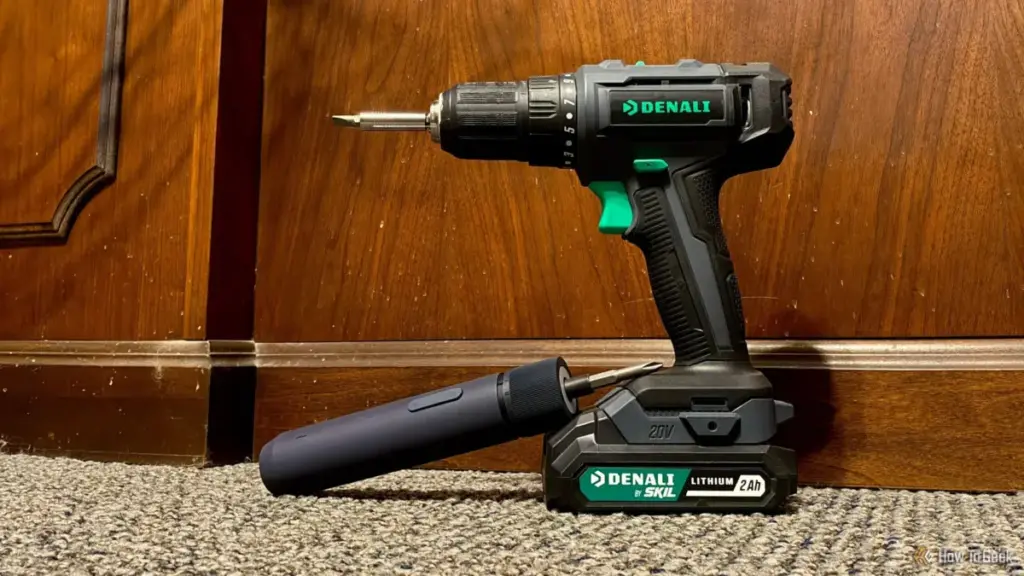
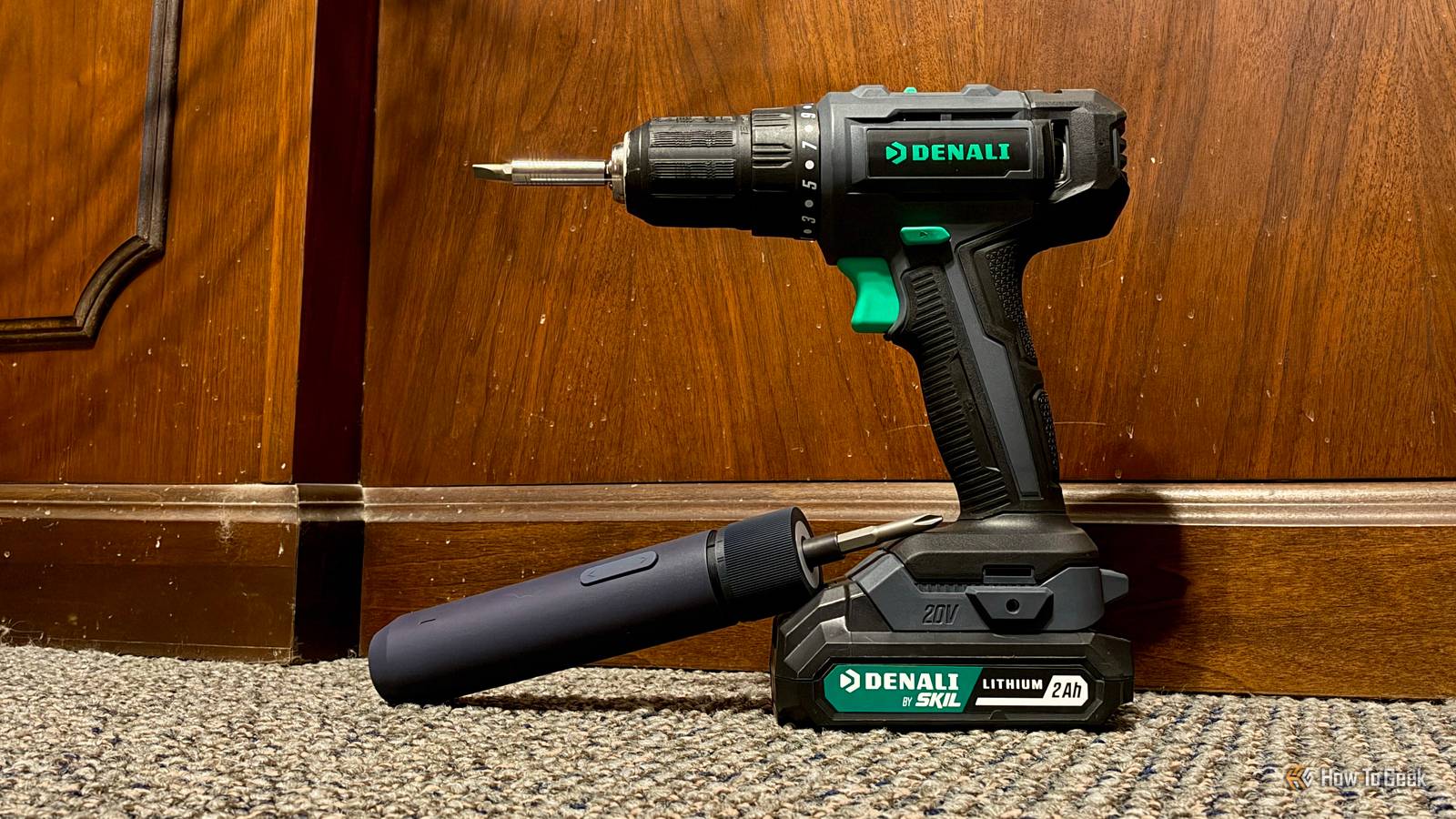
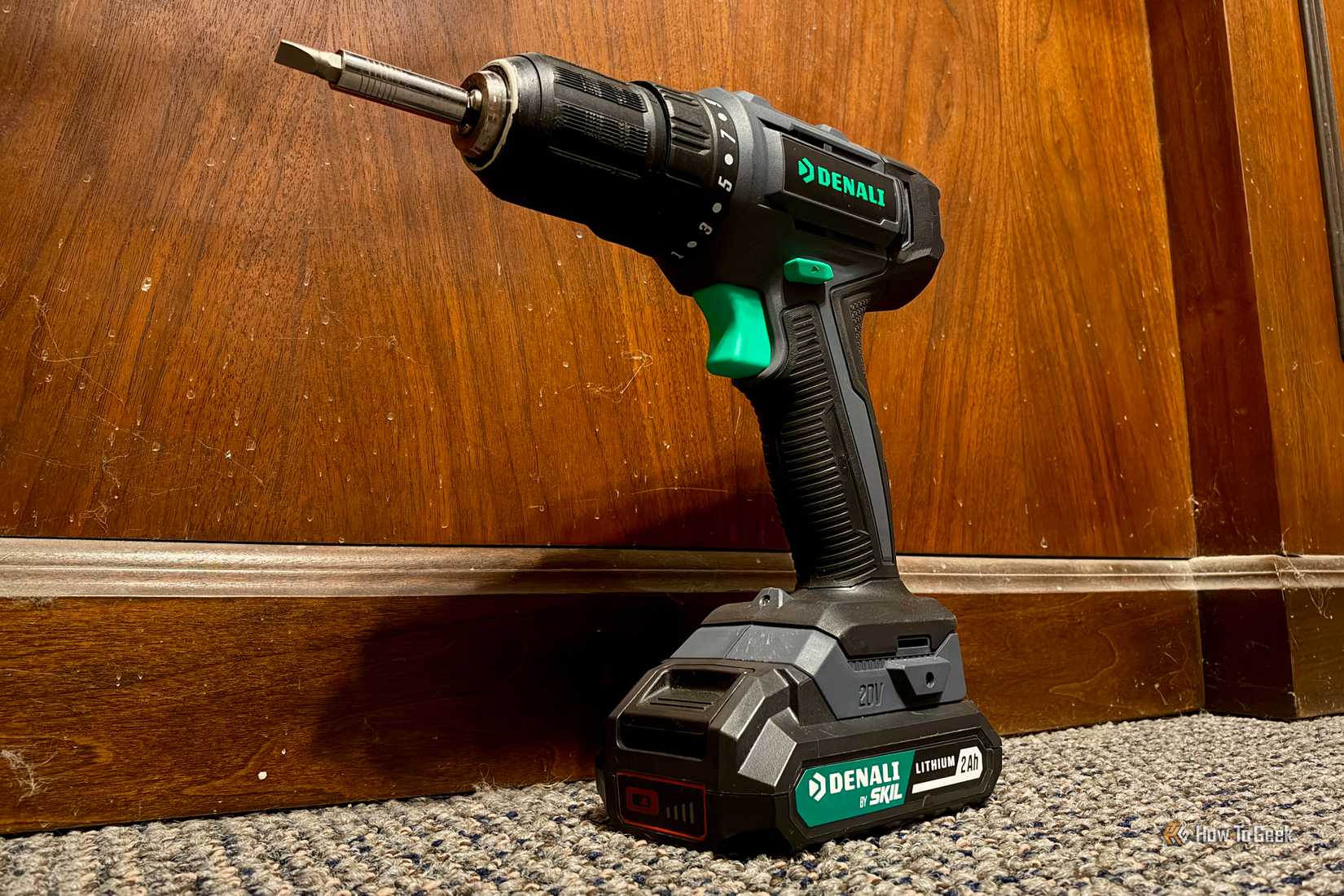
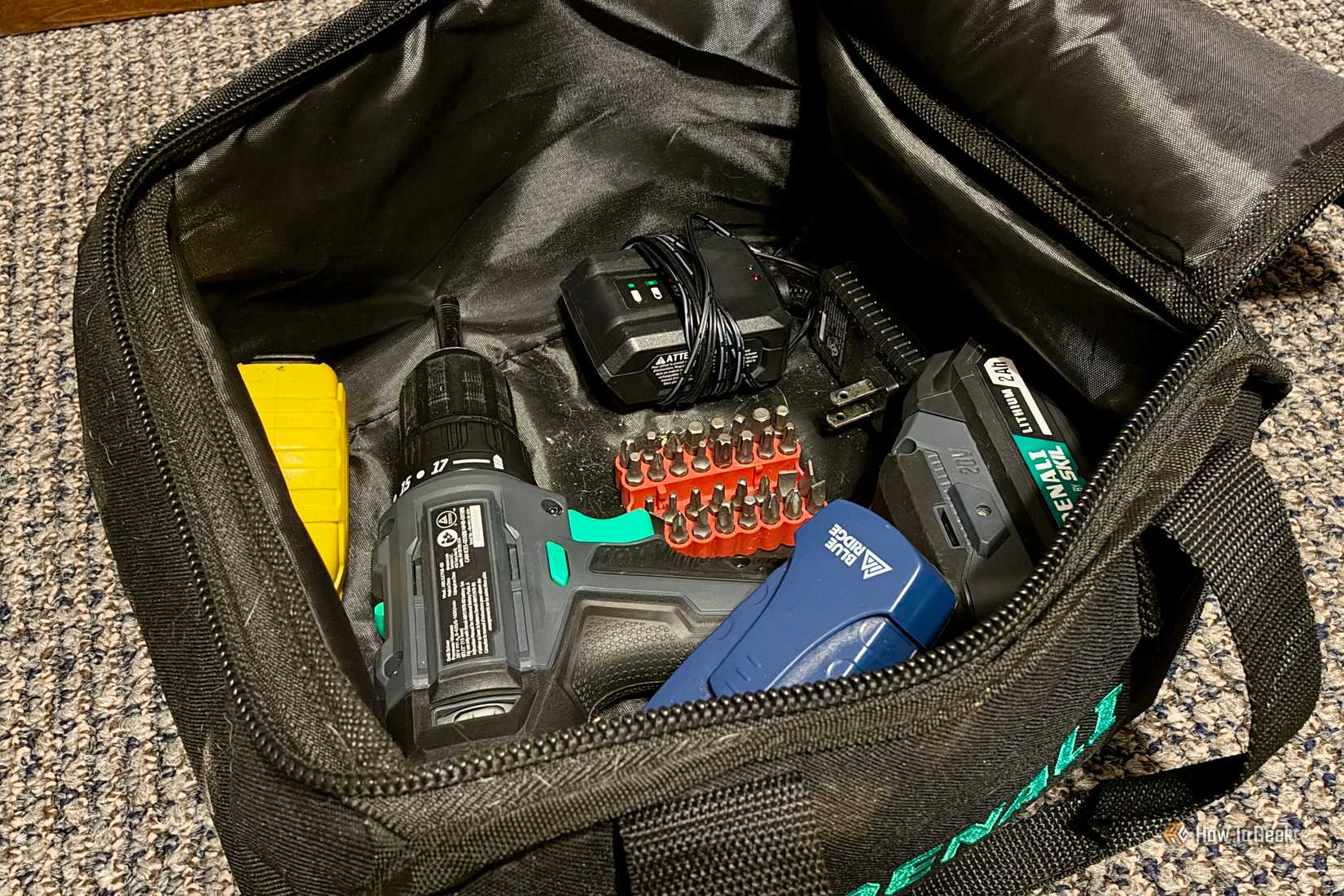
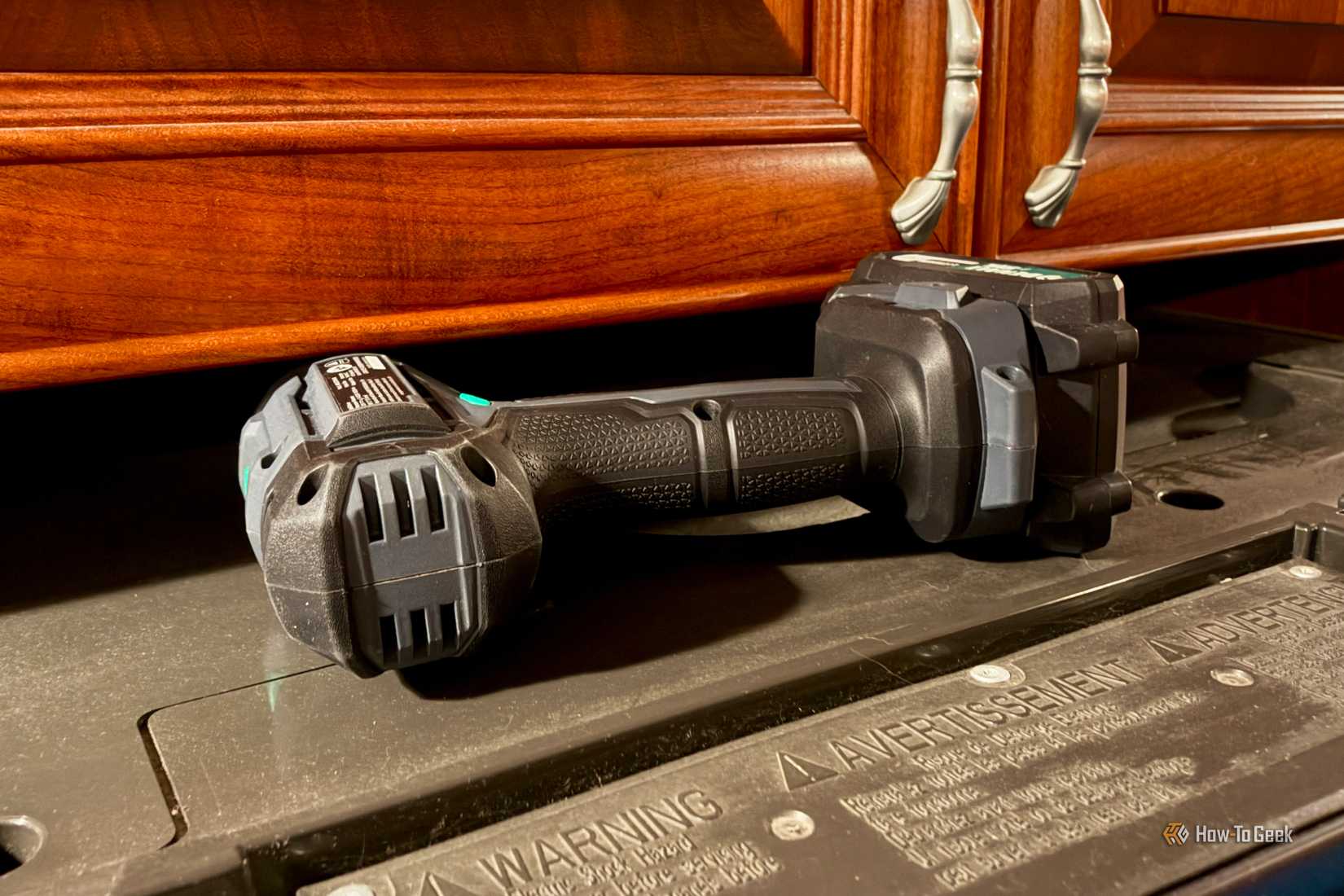
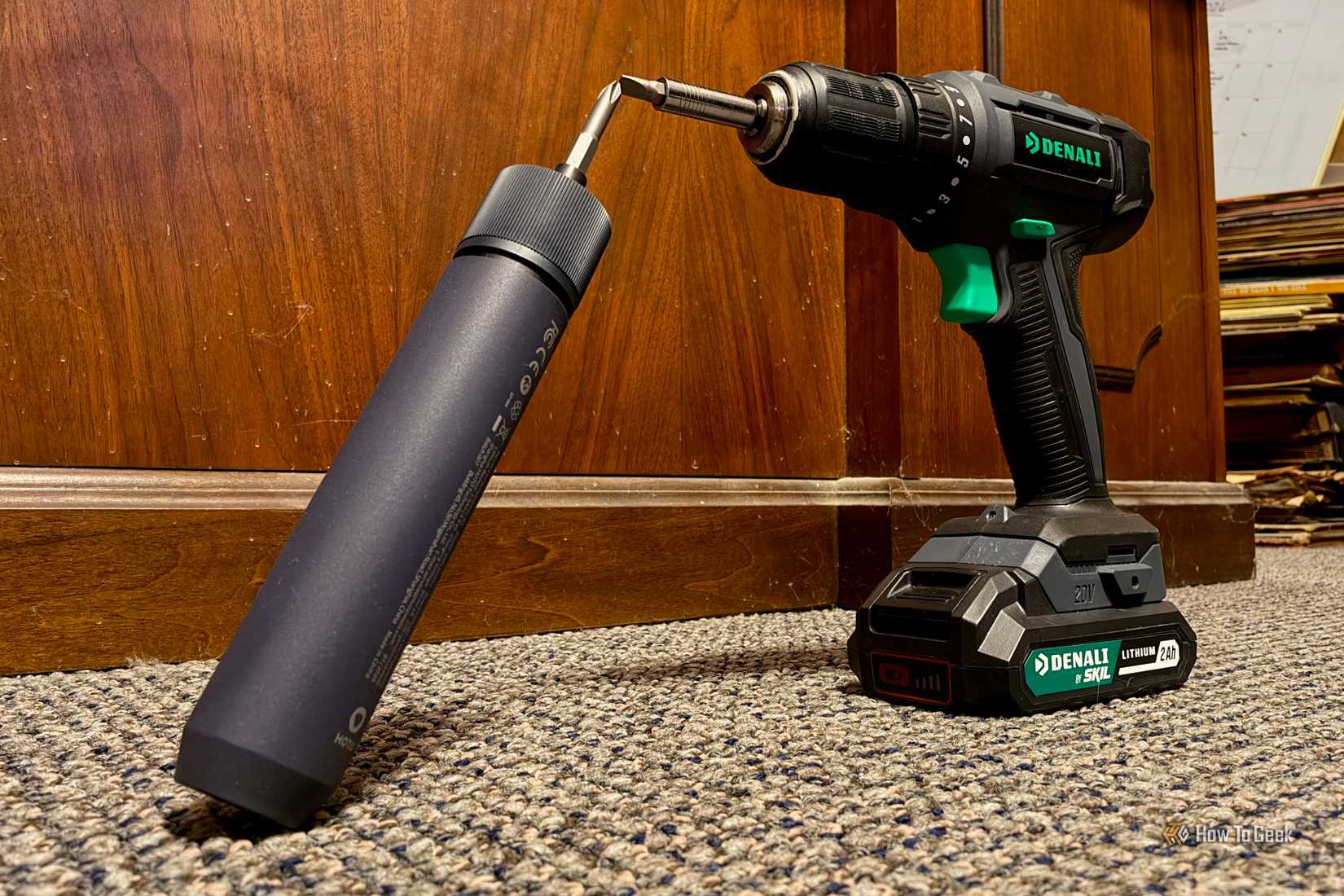
For many DIYers, the primary hurdle to finishing a quick repair isn’t the difficulty of the task, but the logistical friction of getting the tools ready. Heavy-duty cordless drills, while powerful, are inherently cumbersome. Pangaro’s primary driver, a Denali 20V Cordless Drill Driver, is a robust piece of machinery standing nearly 8 inches tall and weighing in at 2.2 pounds. While that weight is manageable for short bursts of activity, it represents a significant physical presence when stored or transported.
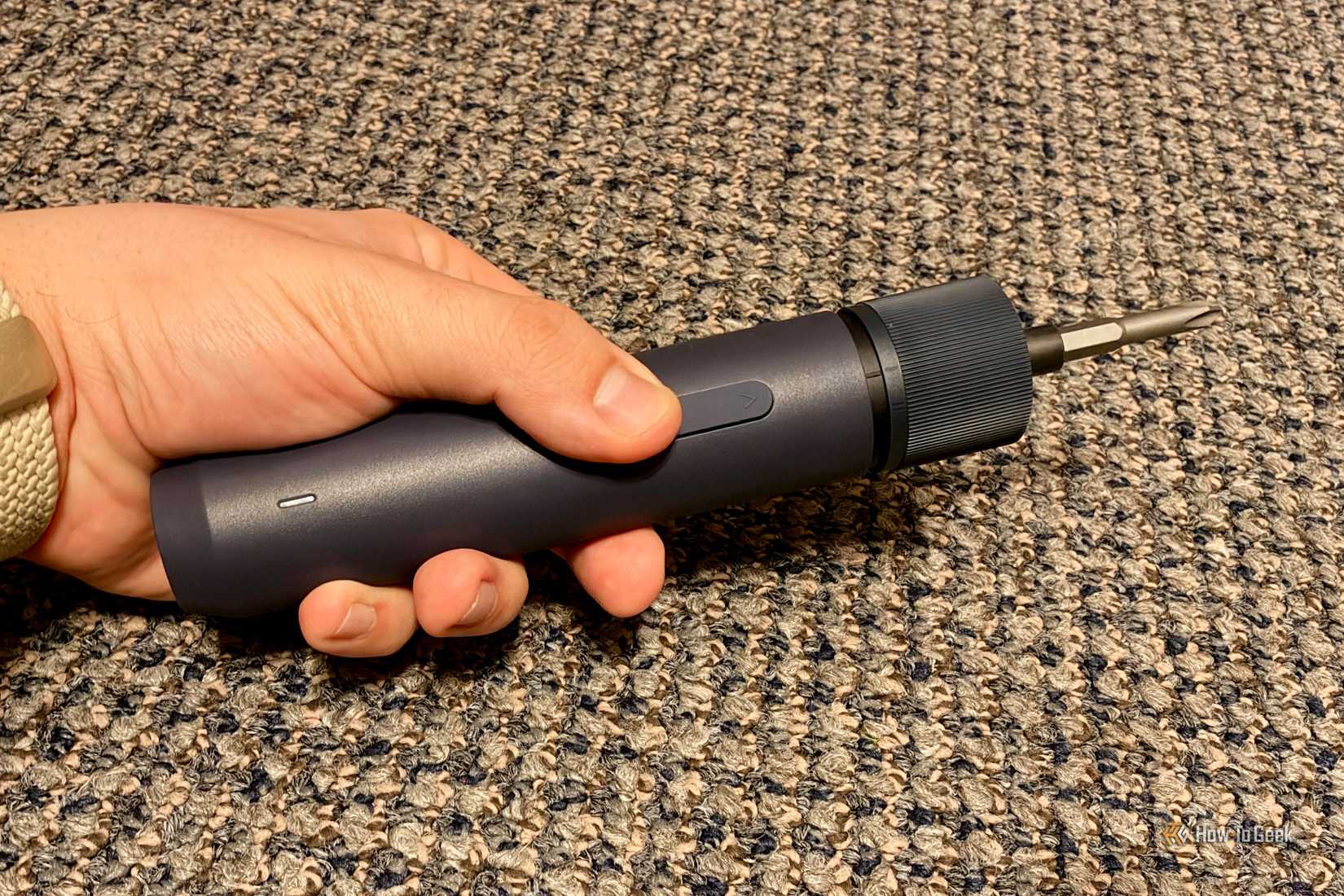
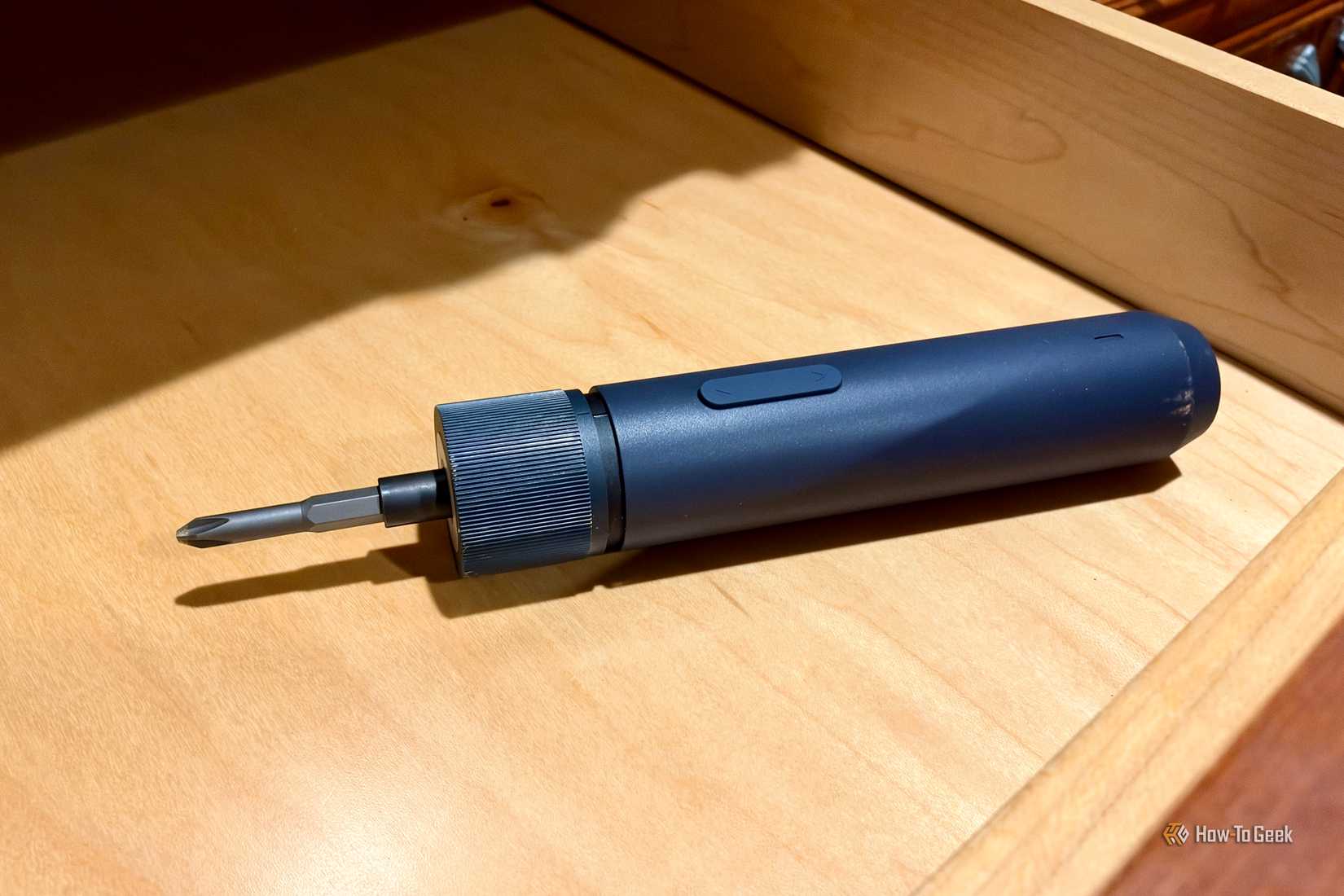
In contrast, the emergence of ultra-portable electric screwdrivers has redefined what "portable" means. Pangaro’s recent acquisition, the HOTO 3.6V Screwdriver, offers a stark comparison in form factor. Measuring approximately 7 inches in length and less than 2 inches in height, it weighs a mere 0.55 pounds. This represents a 75% reduction in weight compared to the standard 20V drill.
This weight difference is more than just a technical specification; it changes the way a user interacts with their environment. A 2.2-pound drill often requires its own dedicated carrying case, complete with a bulky charging dock and spare batteries. Transporting it from a basement workshop to a second-story bedroom becomes a deliberate act. The electric screwdriver, however, is small enough to fit into a jacket pocket or the back pocket of a pair of jeans. For tasks that require climbing a ladder or maneuvering through tight hallways, the ability to carry a powered tool without the need for a dedicated bag is a significant advantage.
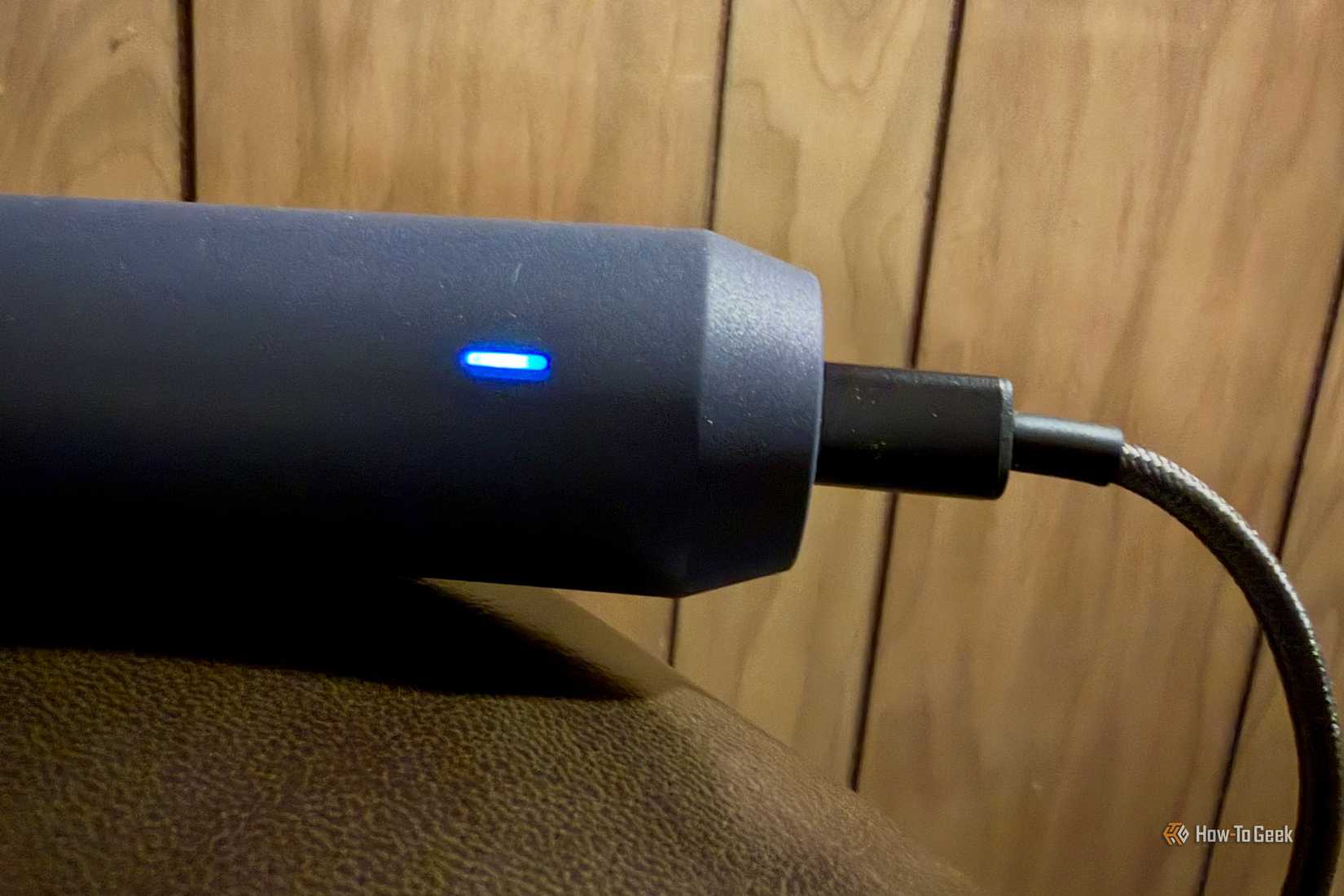
Furthermore, the evolution of charging standards has bolstered the screwdriver’s case for convenience. Traditional cordless drills almost exclusively rely on proprietary battery platforms and bulky AC-powered cradles. If you find yourself at a remote site or even just in a room without a specialized charger, a dead battery can bring a project to a grinding halt. The HOTO 3.6V and many of its contemporaries have adopted the universal USB-C standard. This allows users to charge their tools using the same cables and power bricks they use for their smartphones, tablets, and laptops. In an era where USB-C is becoming the global standard for electronics, the integration of this port into power tools removes a major layer of friction for the average consumer.
Navigating the Constraints of Tight Spaces
Beyond the ease of transport, the physical dimensions of a tool dictate its utility in the "real world" of home maintenance. Modern homes are filled with tight corners, recessed cabinets, and narrow gaps behind appliances—areas where the bulky head of a traditional cordless drill simply cannot reach.
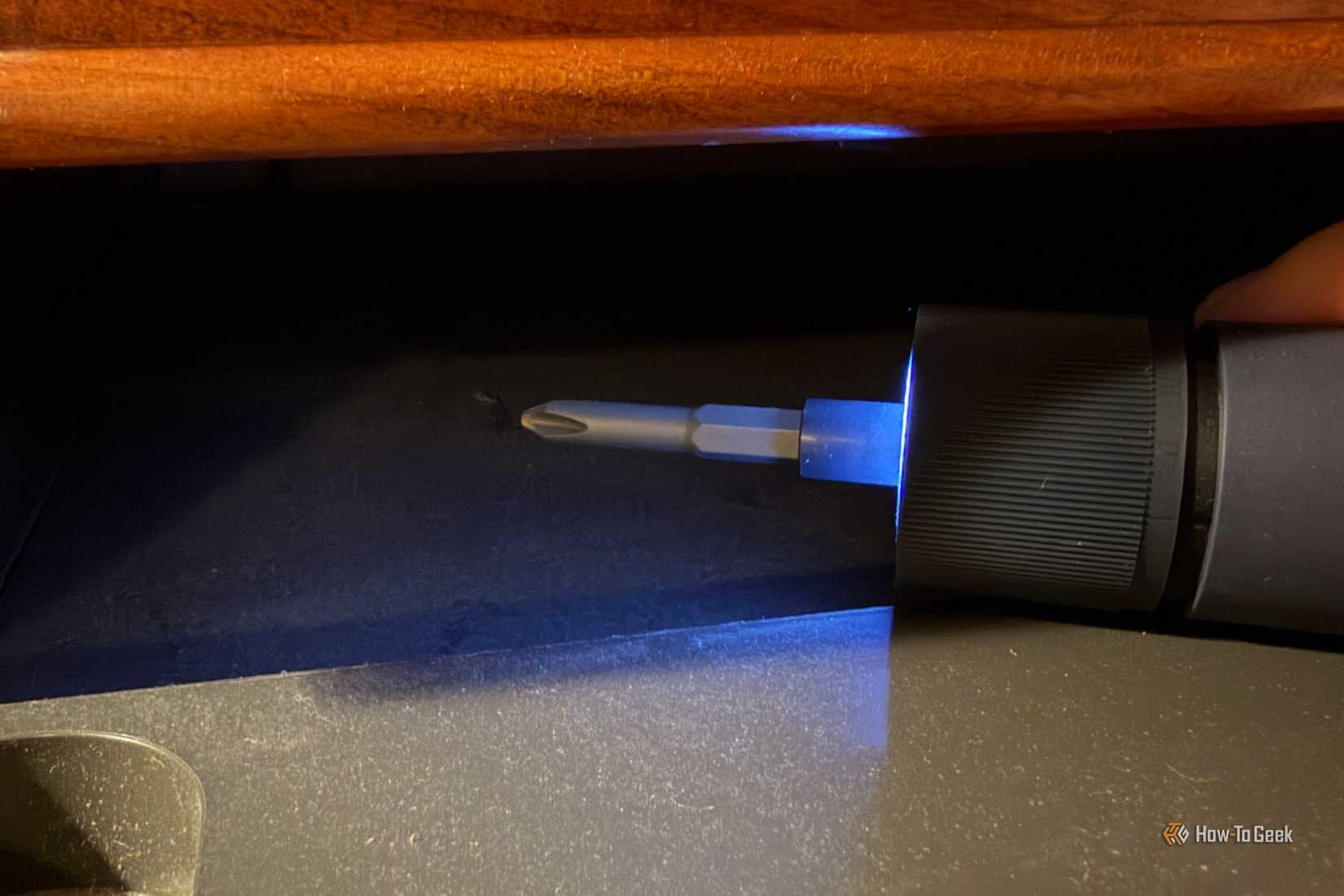
Pangaro recounts a specific instance involving maintenance in the narrow space above a refrigerator. Because of the appliance’s size, the clearance between the top of the fridge and the cabinetry was too restricted for a standard 20V drill to fit. In such scenarios, the traditional fallback is a manual screwdriver, which requires significant physical effort and can be difficult to turn in cramped quarters.
The slim, cylindrical profile of the electric screwdriver solves this problem. Its design allows it to slide into crevices where a pistol-grip drill would be obstructed by its own battery pack or motor housing. This "inline" design is particularly useful for tasks like tightening hinges inside a deep pantry, adjusting hardware behind a mounted television, or working within the confines of a computer chassis.
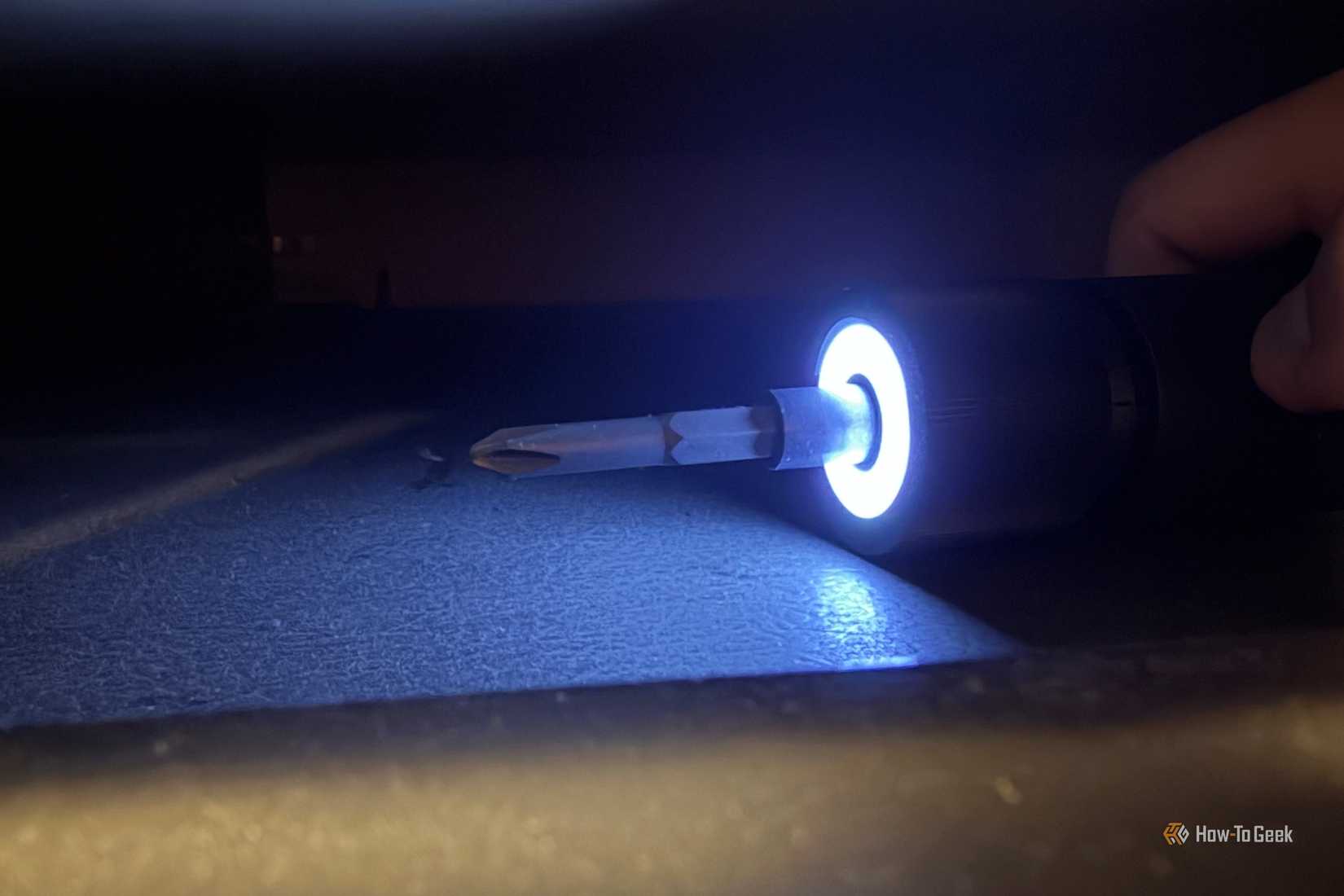
Lighting also plays a critical role in these "dead zones." While many high-end cordless drills feature integrated LEDs, the light is often positioned at the base of the handle, resulting in shadows cast by the tool’s own chuck or the user’s hand when working in deep recesses. Compact screwdrivers frequently feature circular "shadowless" LED rings around the bit holder, providing direct illumination exactly where the screw meets the surface. This ensures that even in the dark corners of a kitchen island or a crawlspace, the user maintains perfect visibility.
Ergonomics and the Reduction of Physical Strain
The shift toward smaller tools is also a matter of health and safety. Ergonomics in tool design has traditionally focused on grip and vibration reduction, but weight and torque-reactive force are equally important factors.
Using a two-pound drill for overhead tasks—such as installing a curtain rod or a ceiling light fixture—can lead to rapid muscle fatigue and wrist strain. The repetitive motion of lifting and holding a heavy tool at odd angles is a common cause of minor DIY injuries. By utilizing a tool that is a fraction of the weight, users can maintain a steadier hand for longer periods.
There is also the issue of torque management. High-voltage drills are designed to deliver massive amounts of rotational force. While this is necessary for driving long lag bolts into pressure-treated lumber, it can be a liability when working with delicate materials like plastic electronics housings or thin plywood. If a high-torque drill catches or reaches the end of a screw’s travel, the "kickback" or reactive force is transferred directly to the user’s wrist.
Small electric screwdrivers typically operate at lower speeds with gentler torque curves. This provides the user with much finer control, reducing the likelihood of stripping a screw head or cracking a fragile workpiece. The lower torque-reactive force makes the tool much more approachable for users who may lack the forearm strength to wrestle with a high-powered impact driver.
The Enduring Necessity of the Power Drill
Despite the clear advantages of the electric screwdriver, it is not a replacement for the cordless drill. The relationship between the two is one of synergy, not competition. As Pangaro notes, the drill remains the "throne holder" for heavy-duty applications.
The most significant divide between the two tools is raw power. A 3.6V motor is perfectly adequate for driving a pre-threaded screw into a metal frame or a small wood screw into a pilot hole. However, it lacks the "grunt" required for structural work. When it comes to driving fasteners through dense hardwoods, brick, or metal, the high-torque output of a 20V system is non-negotiable.
Furthermore, the cordless drill remains the primary tool for "boring"—the act of creating holes where none existed. Drill bits require high RPMs and significant pressure to cut through material. Most electric screwdrivers are designed primarily for "driving" (turning fasteners) rather than "drilling" (cutting material). In a typical workflow, the drill is used first to bore the pilot hole, and the electric screwdriver follows to precisely seat the fastener.
Systems like the Ryobi One+ Impact Drill/Driver illustrate the high end of this power spectrum. These tools are designed to "impact" the fastener, using internal hammers to provide bursts of rotational force that can drive even the most stubborn screws into solid timber. This is a level of mechanical intensity that a compact, USB-charged screwdriver is simply not designed to match.
A Unified Approach to the Modern Toolkit
The conclusion drawn by tech experts and hobbyists alike is that the "perfect" tool kit isn’t about finding a single device that does everything. Instead, it is about recognizing the limitations of power and the value of precision.
The cordless drill will likely always be the first tool purchased by a new homeowner; its ability to handle the "heavy lifting" of home ownership makes it an essential investment. However, the electric screwdriver has earned its place as the primary "companion" tool. By handling the 80% of household tasks that require finesse rather than force—assembling toys, fixing cabinet doors, or opening electronic compartments—the screwdriver preserves the user’s energy and protects delicate hardware.
As Pangaro aptly summarizes, these tools are not rivals. They are a team. In the modern home, the drill provides the muscle, while the electric screwdriver provides the touch. Together, they ensure that no project is too big to handle, and no space is too small to reach. By integrating both into a maintenance routine, DIYers can work faster, safer, and with a level of precision that a single tool could never achieve alone.
 Tech Tutorials & How-To Guides
The Hidden Expiry Date: Why Your Smart Home Hardware May Fail Sooner Than You Think
In the early days of the smart home revolution, early adopters were...
 Tech Tutorials & How-To Guides
Smart Solutions for Rising Utility Bills: How Specialized Tech Identifies and Reduces Residential Energy Waste
As global energy markets remain volatile and utility costs continue a steady...
 Tech Tutorials & How-To Guides
Streaming This Weekend: Horror Prequels, Marvel Returns, and High-Stakes Political Dramas Lead the Lineup
As the calendar turns toward the midpoint of October, the entertainment landscape...






