
As global energy markets remain volatile and utility costs continue a steady upward trajectory, homeowners are increasingly looking beyond basic habits like turning off lights to find more substantial ways to reduce their monthly expenses. While the traditional advice of "lowering the thermostat" remains valid, a new generation of specialized technology is providing consumers with the data and tools necessary to achieve more precise and effective energy management. From identifying invisible structural flaws to optimizing the way water and air move through a home, these innovations are shifting the focus from simple conservation to high-tech efficiency.
The challenge for many households is that energy waste is often invisible. A home may feel drafty, or a water bill may seem high, but pinpointing the exact source of the problem requires more than just intuition. By leveraging tools once reserved for industrial auditors—such as thermal imaging and localized power storage—homeowners can now take a more proactive, data-driven approach to their domestic utility consumption.
Thermal Imaging Cameras: Visualizing the Invisible
One of the most significant hurdles in home energy efficiency is the "envelope" of the building. Heating and cooling are historically the most energy-intensive activities within a residence. During the winter, the goal is to keep expensive heat trapped inside, while the summer months require the opposite. However, even well-built homes often suffer from air leaks that force HVAC systems to work significantly harder to maintain a consistent temperature.
While many homeowners attempt to find these leaks by hand—feeling for a breeze near window frames or door sills—this method is notoriously unreliable. It fails to account for "thermal bridging," where heat is lost through solid materials like wall studs or poorly insulated outlets. This is where the modern thermal imaging camera has become an essential tool for the energy-conscious resident.
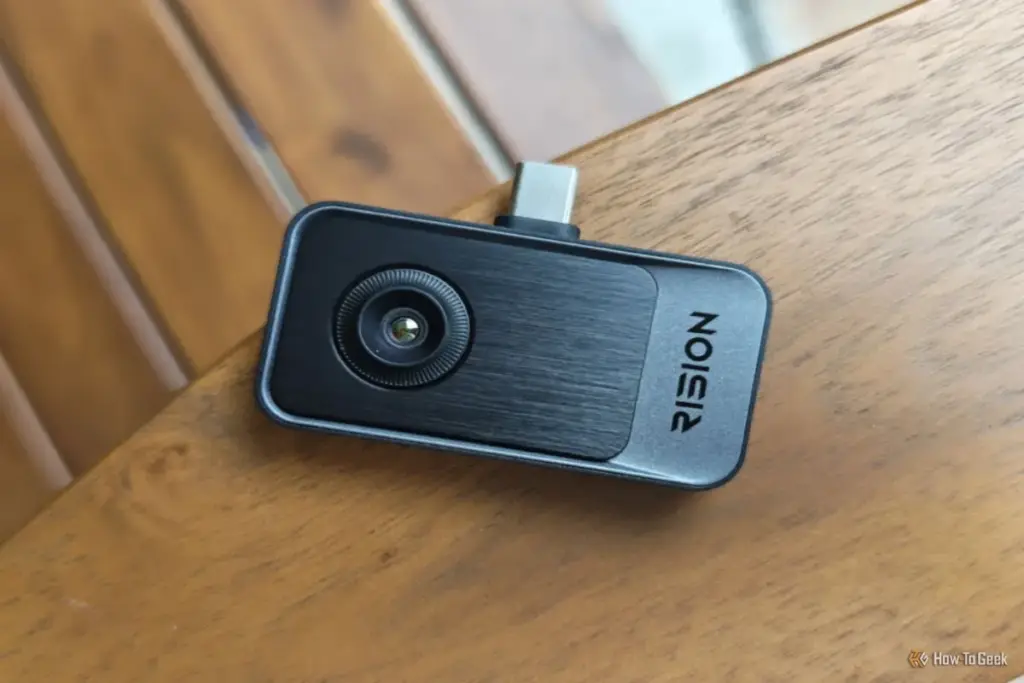
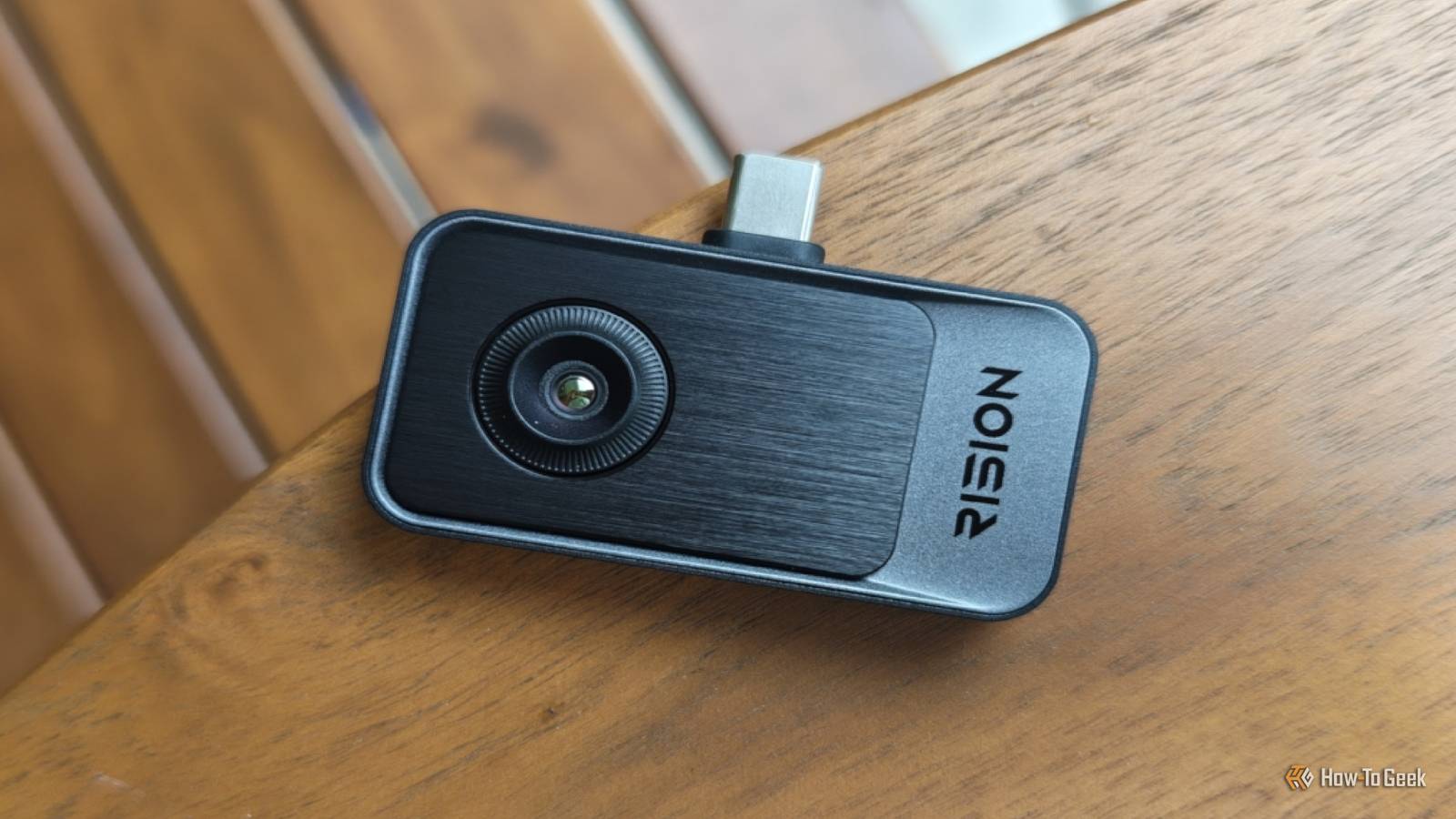
Previously, thermal cameras were bulky, standalone devices costing thousands of dollars. Today, the technology has been miniaturized into peripherals that plug directly into a smartphone. Devices like the Rision Magic Pro demonstrate this shift, requiring little more than a mobile app and a few permissions to turn a standard phone into a high-resolution heat mapping tool.

By viewing their home through a thermal lens, users can see exactly where cold air is infiltrating or where heat is escaping. The visual feedback is often surprising, revealing gaps in attic insulation, unsealed electrical boxes, or failing seals in double-pane windows that would otherwise go unnoticed. Identifying these specific failure points allows for targeted repairs—such as applying weatherstripping or spray foam—that offer a much higher return on investment than a generalized approach to home improvement.
Rethinking Water Heating with Instant Dispensers
While HVAC systems are the primary energy consumers, water heating typically ranks as the second-largest expense in the average home. The traditional method of heating water is inherently inefficient; standard water heaters maintain a large tank of water at a high temperature 24 hours a day, regardless of whether anyone is using it. This results in "standby heat loss," where energy is constantly expended just to keep the water ready.
 Tech Tutorials & How-To Guides
Paramount+ Thriller Spotlight: From Gritty Action Franchises to Luc Besson’s Reimagined Dracula
As the calendar turns deeper into October, the shift in atmosphere is...
 Tech Tutorials & How-To Guides
Beyond the Cloud: Why a Shift to Offline Password Management Is Becoming a Necessity for the Security-Conscious
In the modern digital landscape, the password manager has transitioned from a...
 Tech Tutorials & How-To Guides
To Boldly Go From Your Desktop: Celebrating 60 Years of Star Trek Through Modern Tech Hobbies
As the calendar turns to late 2026, the global science fiction community...







