
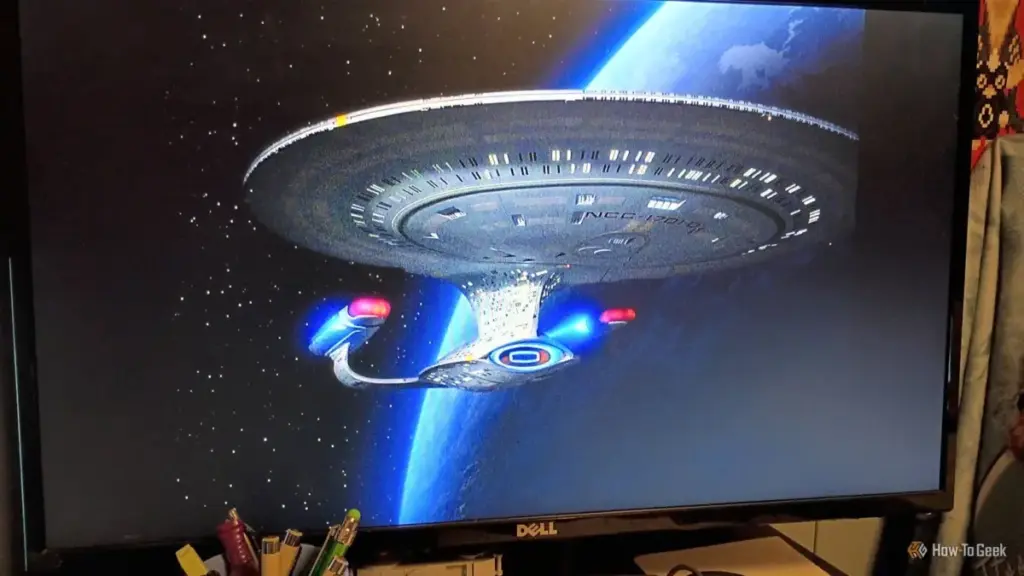
As the calendar turns to late 2026, the global science fiction community is pausing to recognize a monumental milestone: the 60th anniversary of Star Trek. Since its debut in 1966, the franchise has expanded from a struggling three-season television experiment into a sprawling multi-generational universe. Today, that universe encompasses dozens of television seasons, over a dozen feature films, a library of novels, and an ever-evolving digital landscape of video games and interactive media.
For long-time fans and researchers like David Buck—a veteran of the media industry with roots at I Heart Radio and PBS—the fascination with Star Trek has always been more than just a passive viewing experience. It is a world that invites participation. Buck, whose work has explored the intersections of retro technology, weird music, and the "old web" for outlets like Vice and Tedium, notes that the series’ longevity is fueled by the way it encourages fans to interact with its futuristic vision.
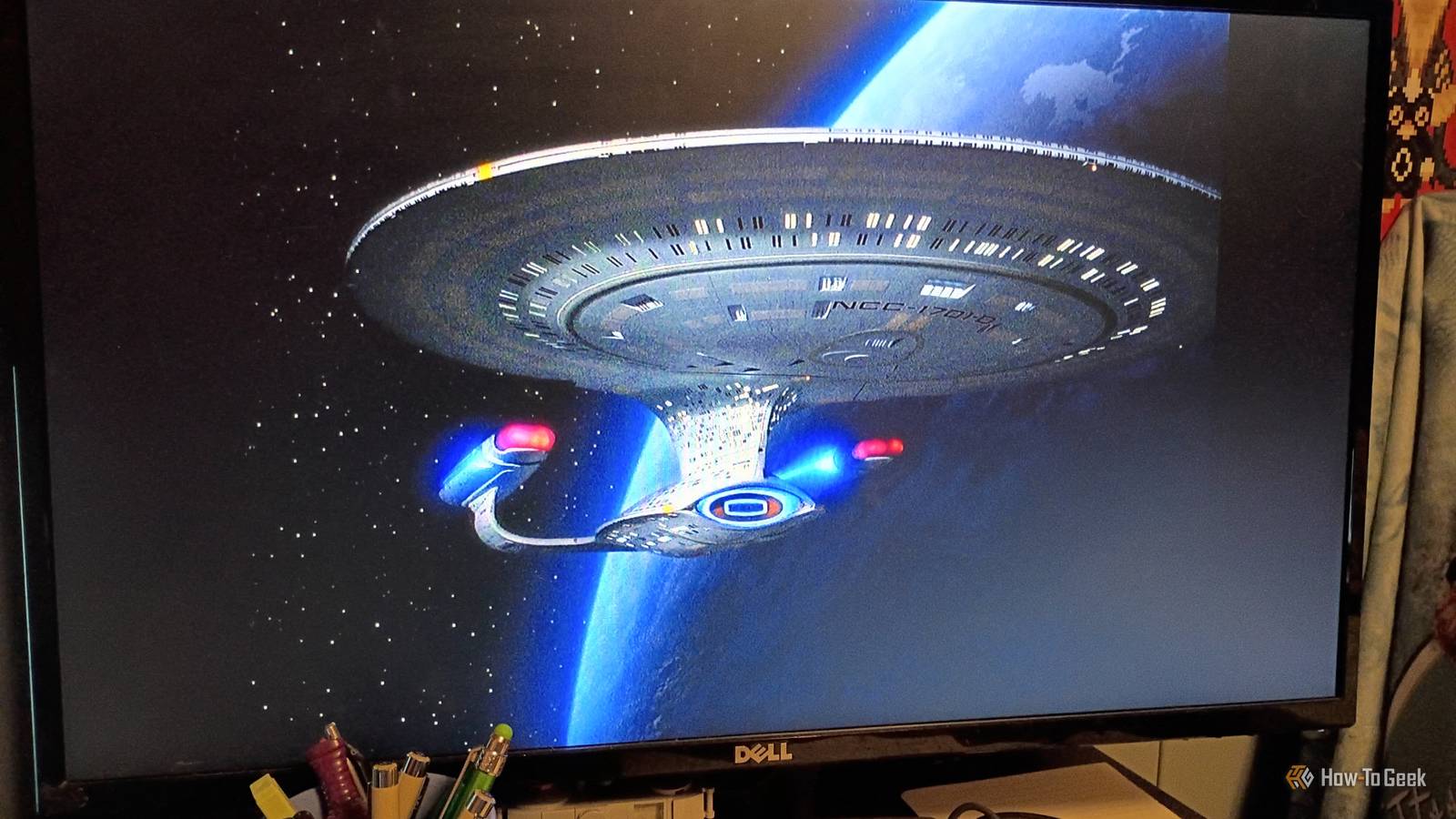
"The Star Trek universe is huge and full of different media," Buck says, reflecting on a lifetime of fandom that includes everything from the Star Trek: Titan novels to deep dives into the series’ eclectic musical history. To celebrate the diamond anniversary of Gene Roddenberry’s creation, Buck has highlighted several tech-driven hobbies that allow fans to immerse themselves in the 23rd and 24th centuries using the tools of today.
Exploring the Digital Frontier Through Virtual Bridges
One of the most evocative elements of the franchise has always been the bridge of the USS Enterprise—a hub of command, camaraderie, and cutting-edge technology. For decades, fans could only dream of stepping onto those sets. However, the preservation of "abandonware" and the dedication of digital archivists have made it possible to explore these iconic locations through a web browser.
A primary destination for this digital tourism is Trekorama. The site serves as a museum for content originally found on Star Trek CD-ROMs from the 1990s—a golden era for interactive "edutainment" and multimedia software. Last year, a developer known as mijofr on GitHub successfully converted and upgraded these vintage panoramas for modern browsers. These tours offer high-resolution, 360-degree views of the bridges, holodecks, and even the cramped, industrial interiors of a Klingon Bird-of-Prey. By revitalizing these old assets, Trekorama allows a new generation to appreciate the intricate set designs of the Original Series and The Next Generation era without needing to hunt down a vintage PC.

For those who want to do more than just look around, the world of bridge simulators offers a more active form of engagement. "If you’ve ever wanted to run your own starship or be part of a bridge crew, there are a few ways to make it so," Buck explains.
The most prominent of these is Artemis Spaceship Bridge Simulator, a game that turns a local network of computers into a functional starship bridge where players take on specific roles like Helm, Weapons, or Science. For those in the Linux community, Space Nerds in Space provides a similar open-source thrill. More ambitious hobbyists have turned to the Empty Epsilon project, a highly customizable simulator that allows users to build their own starship scenarios. While the technical barrier to entry is manageable, Buck notes that the "hardest part is finding a crew big enough to play with," highlighting the social nature of these high-tech simulations.
 Tech Tutorials & How-To Guides
Beyond the Drill: How Ryobi’s ONE+ Ecosystem is Redefining the Modern Home and Workshop
For decades, the image of a cordless power tool was tethered strictly...
 Tech Tutorials & How-To Guides
The Limits of DNS Privacy: Why Changing Your Resolver Is Not a Total Cloaking Device
In the modern era of digital surveillance and data harvesting, internet users...
 Tech Tutorials & How-To Guides
Google Transitions Beyond Chromebooks: A Deep Look at the New Googlebook OS and Its Enhanced Local File Management
The landscape of portable computing has undergone a seismic shift with the...







