
The rise of Virtual Tabletops (VTTs) like Fantasy Grounds has made it easier than ever to run these games remotely. These platforms allow a "Game Master" to share maps, track character stats, and roll digital dice while communicating via headsets. This digital shift has removed the geographical barriers that once prevented gaming groups from meeting regularly.
For those looking to start their own journey, the barrier to entry is low. Modiphius offers free "Quickstart" guides that provide the basic rules and a pre-written adventure. "All you really need for a Tabletop RPG is some players, a story, some dice, and your imagination," Buck notes, emphasizing that the technology serves primarily as a bridge to human connection and shared storytelling.
Gamified Training and Retro Preservation
Finally, the anniversary year serves as a reminder of the franchise’s long history in the world of personal computing. During research into alternative keyboard layouts like Dvorak, Buck rediscovered Type Trek, a unique typing tutor themed after the Original Series.
This software, preserved by the Internet Archive, uses the "line-art" aesthetic of 1960s and 70s computing to teach QWERTY typing. Players engage in tactical battles with Klingon ships by typing out specific words and phrases, turning a mundane skill-building exercise into a defense of the Federation. It is a piece of software that reflects a specific era of computing—one where "Warp 2" was a respectable speed for a program to run.
For those seeking more modern thrills, digital storefronts like Good Old Games (GOG) have ensured that classic titles like Star Trek: 25th Anniversary and the fan-favorite Star Trek: Voyager – Elite Force remain playable on modern hardware. These games allow players to step into the boots of a Hazard Team member or navigate the diplomatic minefields of the 23rd century, often for the price of a cup of coffee.
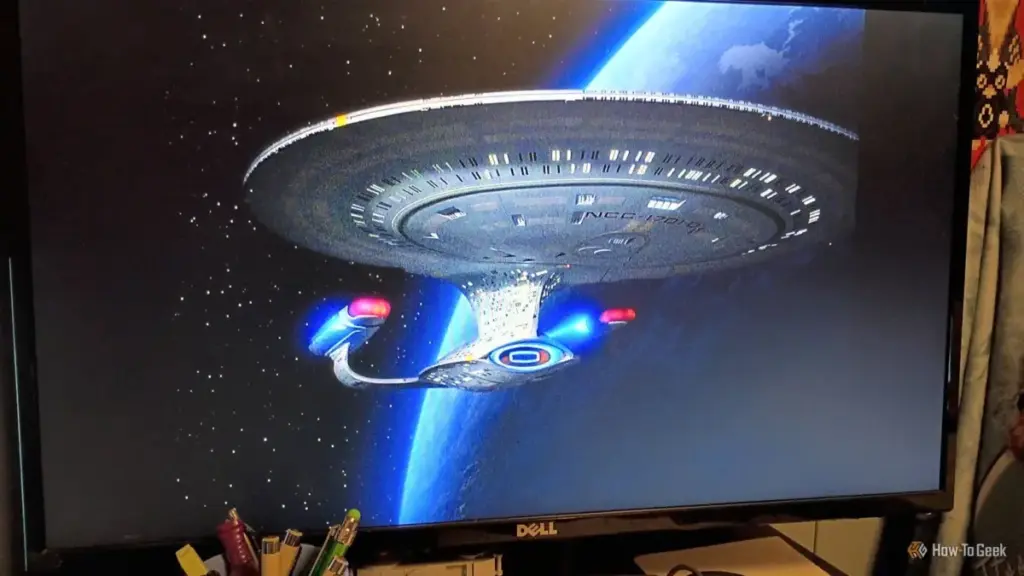
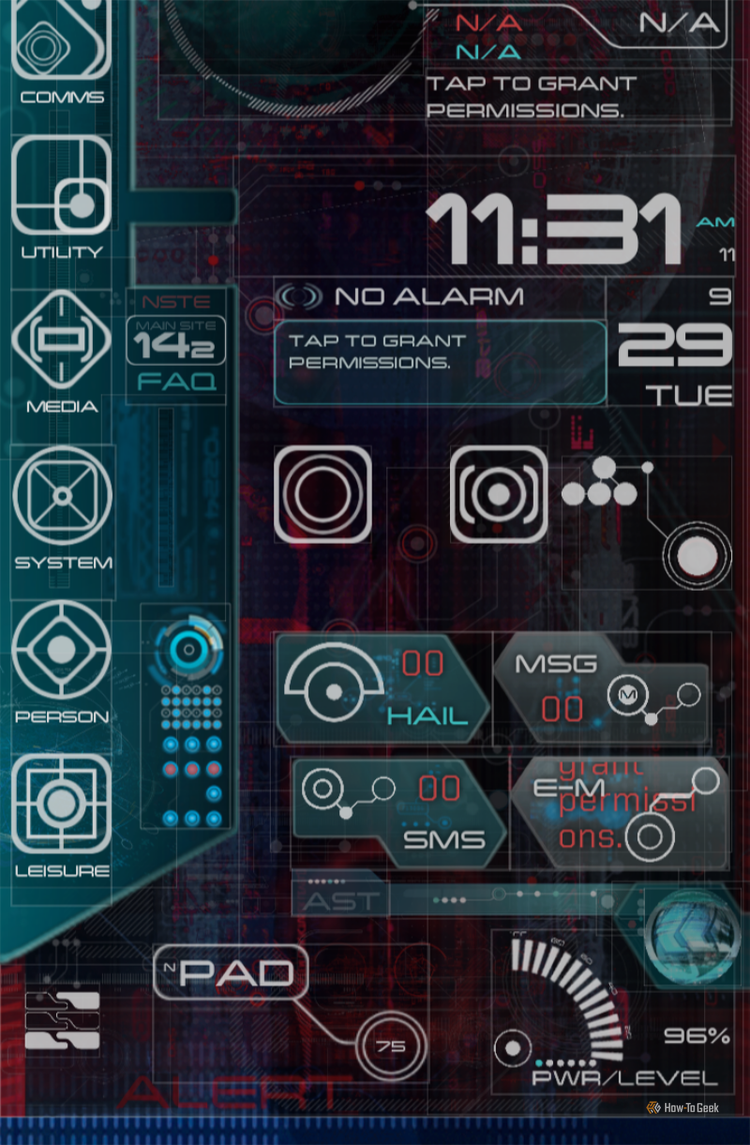
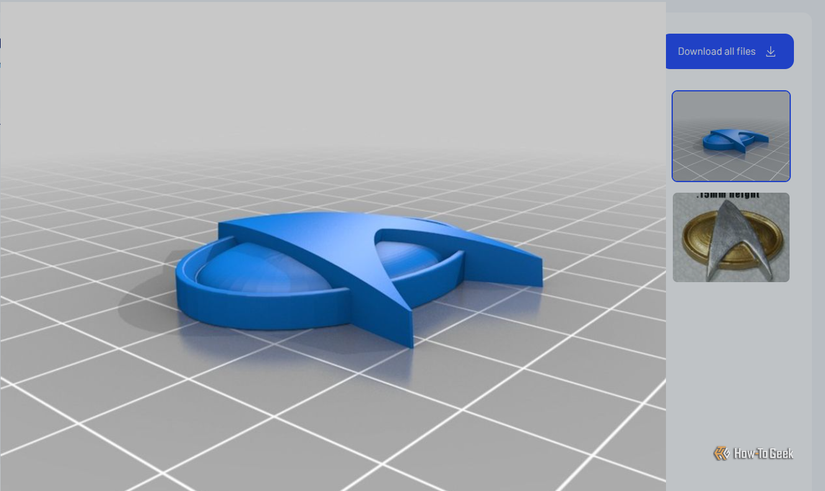
As the 60th anniversary celebrations continue throughout the year, these tech-driven hobbies offer fans a way to do more than just rewatch their favorite episodes. They provide a means to engage with the philosophy of the show—a philosophy rooted in exploration, technical proficiency, and the belief that the future is something we build together. Whether through 3D printing, virtual bridge simulations, or digital roleplaying, the message for the next sixty years remains the same: "Live long and prosper."
 Tech Tutorials & How-To Guides
Thrills and Psychological Chills: Netflix Bolsters October Lineup With ‘Unabomber’ and Genre Classics
As the calendar turns to the first full week of October, the...
 Tech Tutorials & How-To Guides
The Evolution of Mobile Audio: Why Your Smartphone is a Professional-Grade Microphone in Disguise
In the modern era of digital content creation, the barrier to entry...
 Tech Tutorials & How-To Guides
The Ghost in the Machine: Investigating the Root Causes of Unexpected Windows Wake Events
For many Windows users, the experience is unnervingly familiar: a desktop or...







