
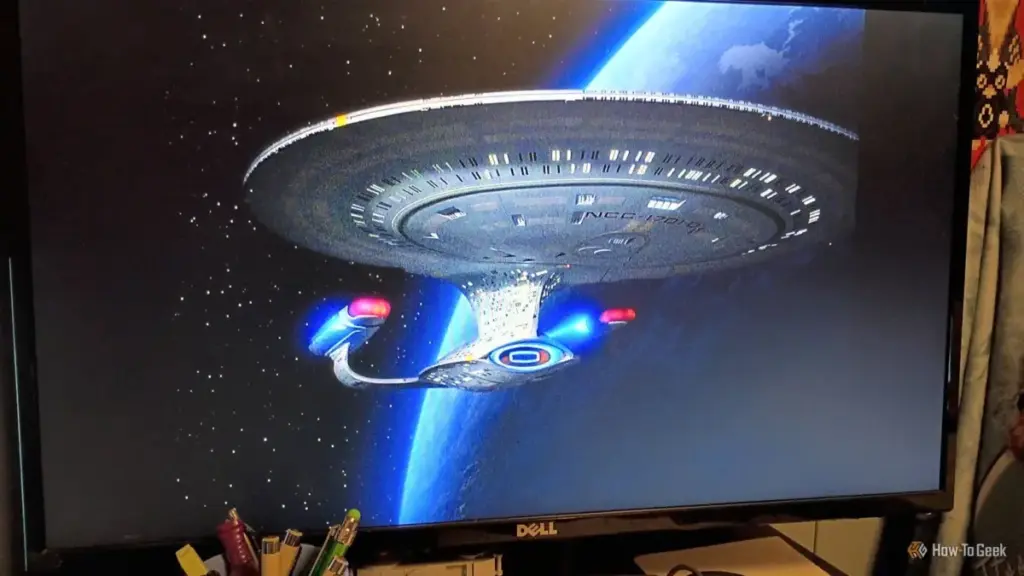
The Aesthetic of the Future: LCARS on Modern Devices
Beyond the ships themselves, the very visual language of Star Trek has left an indelible mark on UI/UX design. The Library Computer Access/Retrieval System, better known as LCARS, was introduced during The Next Generation as a way to provide a sleek, futuristic interface on a television budget. Designed by Michael and Denise Okuda, the "Okudagrams" featured bold blocks of color, rounded corners, and a minimalist aesthetic that remains iconic forty years after its debut.
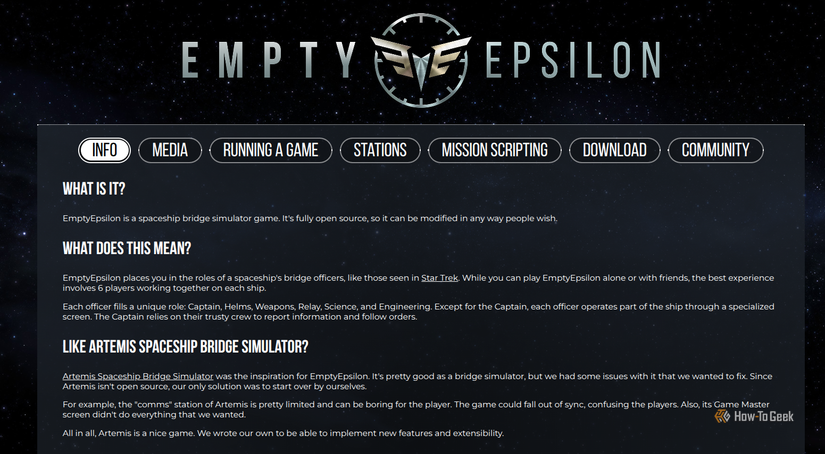
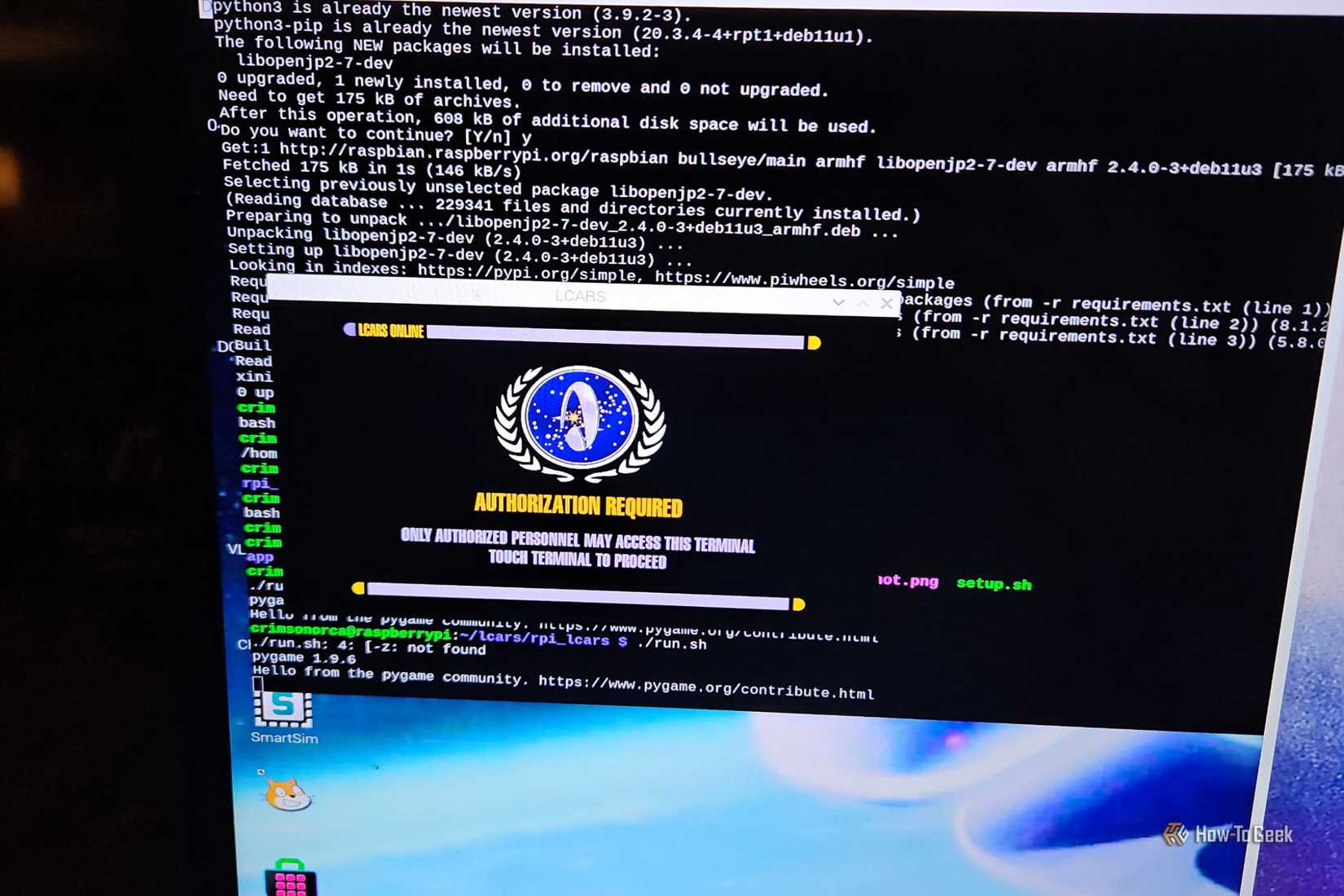
The desire to bring this aesthetic into the real world has led to a niche but dedicated community of "themers" who adapt mobile and desktop environments to mimic the Federation’s operating system. Buck’s own experimentation with these interfaces led him to explore everything from Raspberry Pi screensavers to complex mobile launchers.
"I’ve had some luck finding Android themes that simulate the style," Buck says. By using tools like Total Launcher, users can transform their tablets and smartphones into devices that look and feel like 24th-century PADDs (Personal Access Display Devices). While these themes are often highly customizable, they require a bit of technical patience to set up correctly. For a more immediate "Trek" fix on a desktop, interactive star charts built in the LCARS format offer a way to navigate the galaxy’s sectors with the same visual flair used by Captain Picard’s crew.
Replicating Props: The Intersection of 3D Printing and Fandom
Perhaps the closest technology we have to the Star Trek replicator is the 3D printer. For fans who enjoy tactile hobbies, the ability to "materialize" props from their favorite shows has revolutionized the world of cosplay and prop collecting.
The 60th anniversary has seen a surge in interest in DIY prop making, particularly regarding the communication badge. Using repositories like Thingiverse, fans can download high-resolution files for badges ranging from the classic TNG delta to the more angular designs of the later films.
"If you’re into 3D printing, you can print and paint your own comm badge," Buck suggests. The process involves more than just hitting a button; it is a multi-stage craft that involves printing the base, sanding away layer lines, priming the plastic, and applying metallic acrylic paints to achieve a screen-accurate finish. Adding a magnetic backing allows these props to be worn on everyday clothing without damaging the fabric, bridging the gap between the fictional uniform and modern fashion. For Buck, this is just the beginning: "When I eventually get a new 3D printer, I’m going to be printing Trek minis like they’re going out of style."
Collaborative Storytelling in the Virtual Federation
While simulators and props provide a physical or visual connection to the series, the Star Trek Adventures roleplaying game (RPG) allows fans to inhabit the characters and moral dilemmas that define the franchise. Published by Modiphius, the game has seen a resurgence in 2026, with the second edition of the rules offering a streamlined way to tell stories in the final frontier.
 Tech Tutorials & How-To Guides
Paramount+ Thriller Spotlight: From Gritty Action Franchises to Luc Besson’s Reimagined Dracula
As the calendar turns deeper into October, the shift in atmosphere is...
 Tech Tutorials & How-To Guides
The Hidden Bottleneck: Why Standard Speed Tests Often Fail to Detect Faulty Network Hardware
In the modern digital household, few things are as frustrating as a...
 Tech Tutorials & How-To Guides
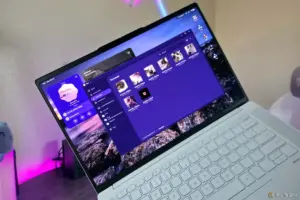
Google Transitions Beyond Chromebooks: A Deep Look at the New Googlebook OS and Its Enhanced Local File Management
The landscape of portable computing has undergone a seismic shift with the...







