
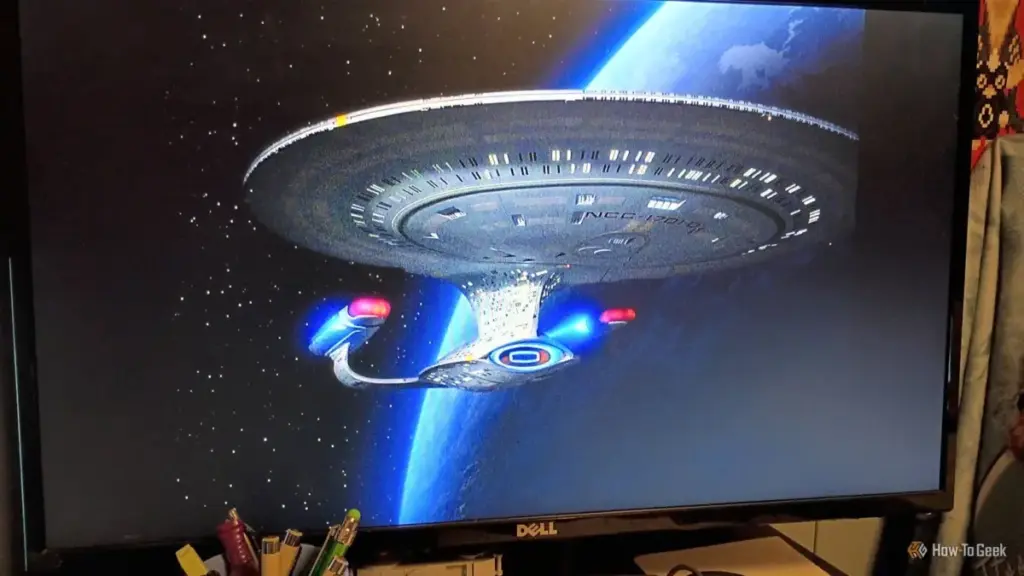
As the calendar turns to late 2026, the global science fiction community is pausing to recognize a monumental milestone: the 60th anniversary of Star Trek. Since its debut in 1966, the franchise has expanded from a struggling three-season television experiment into a sprawling multi-generational universe. Today, that universe encompasses dozens of television seasons, over a dozen feature films, a library of novels, and an ever-evolving digital landscape of video games and interactive media.
For long-time fans and researchers like David Buck—a veteran of the media industry with roots at I Heart Radio and PBS—the fascination with Star Trek has always been more than just a passive viewing experience. It is a world that invites participation. Buck, whose work has explored the intersections of retro technology, weird music, and the "old web" for outlets like Vice and Tedium, notes that the series’ longevity is fueled by the way it encourages fans to interact with its futuristic vision.
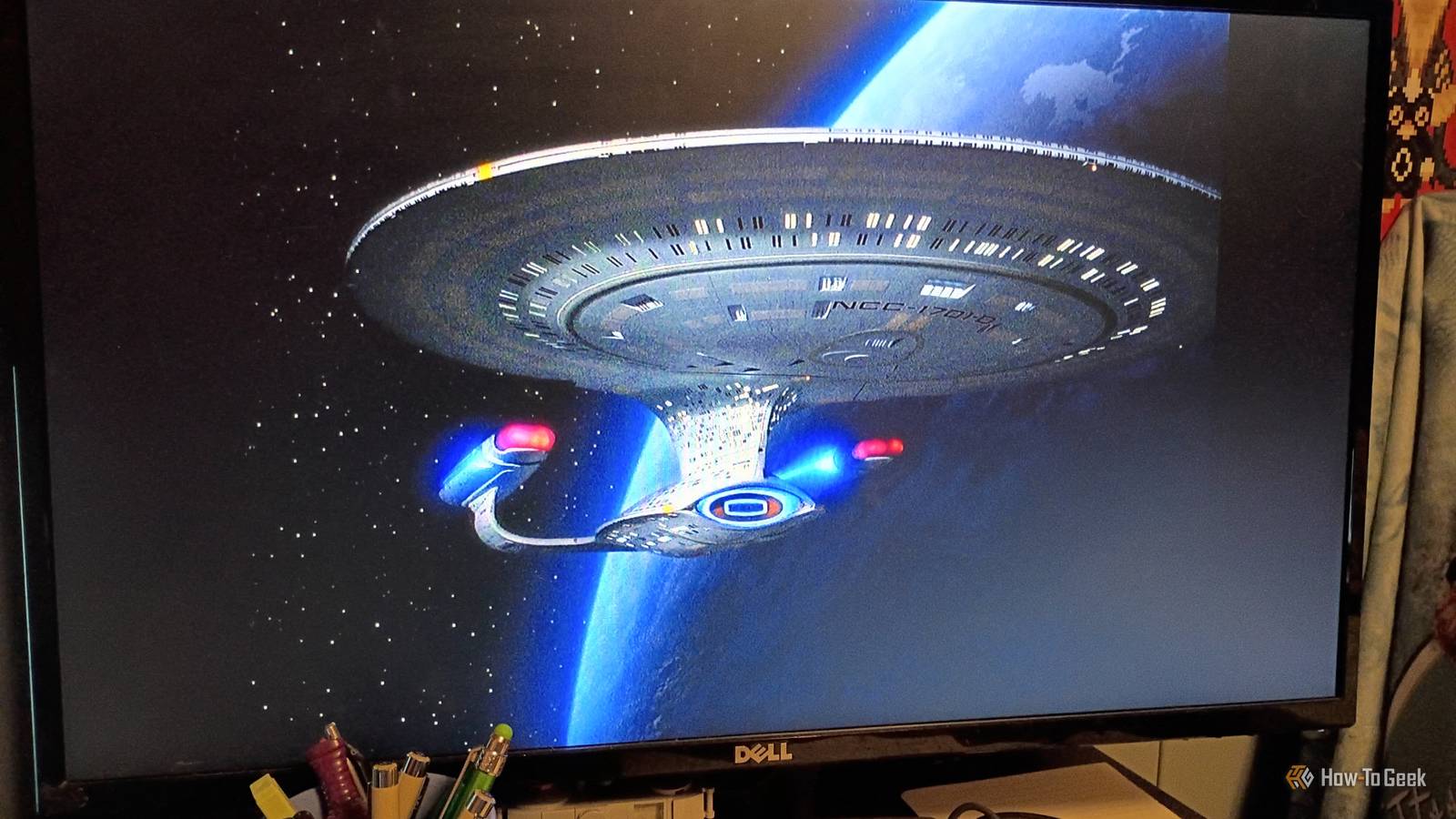
"The Star Trek universe is huge and full of different media," Buck says, reflecting on a lifetime of fandom that includes everything from the Star Trek: Titan novels to deep dives into the series’ eclectic musical history. To celebrate the diamond anniversary of Gene Roddenberry’s creation, Buck has highlighted several tech-driven hobbies that allow fans to immerse themselves in the 23rd and 24th centuries using the tools of today.
Exploring the Digital Frontier Through Virtual Bridges
One of the most evocative elements of the franchise has always been the bridge of the USS Enterprise—a hub of command, camaraderie, and cutting-edge technology. For decades, fans could only dream of stepping onto those sets. However, the preservation of "abandonware" and the dedication of digital archivists have made it possible to explore these iconic locations through a web browser.
A primary destination for this digital tourism is Trekorama. The site serves as a museum for content originally found on Star Trek CD-ROMs from the 1990s—a golden era for interactive "edutainment" and multimedia software. Last year, a developer known as mijofr on GitHub successfully converted and upgraded these vintage panoramas for modern browsers. These tours offer high-resolution, 360-degree views of the bridges, holodecks, and even the cramped, industrial interiors of a Klingon Bird-of-Prey. By revitalizing these old assets, Trekorama allows a new generation to appreciate the intricate set designs of the Original Series and The Next Generation era without needing to hunt down a vintage PC.

For those who want to do more than just look around, the world of bridge simulators offers a more active form of engagement. "If you’ve ever wanted to run your own starship or be part of a bridge crew, there are a few ways to make it so," Buck explains.
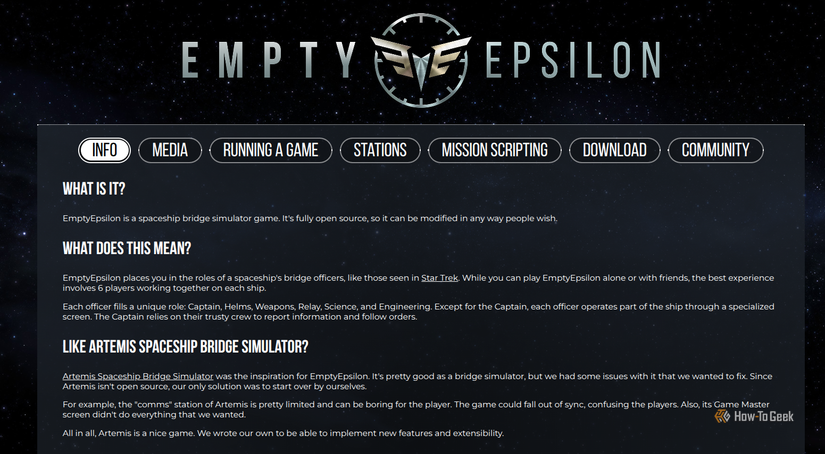
The most prominent of these is Artemis Spaceship Bridge Simulator, a game that turns a local network of computers into a functional starship bridge where players take on specific roles like Helm, Weapons, or Science. For those in the Linux community, Space Nerds in Space provides a similar open-source thrill. More ambitious hobbyists have turned to the Empty Epsilon project, a highly customizable simulator that allows users to build their own starship scenarios. While the technical barrier to entry is manageable, Buck notes that the "hardest part is finding a crew big enough to play with," highlighting the social nature of these high-tech simulations.
The Aesthetic of the Future: LCARS on Modern Devices
Beyond the ships themselves, the very visual language of Star Trek has left an indelible mark on UI/UX design. The Library Computer Access/Retrieval System, better known as LCARS, was introduced during The Next Generation as a way to provide a sleek, futuristic interface on a television budget. Designed by Michael and Denise Okuda, the "Okudagrams" featured bold blocks of color, rounded corners, and a minimalist aesthetic that remains iconic forty years after its debut.
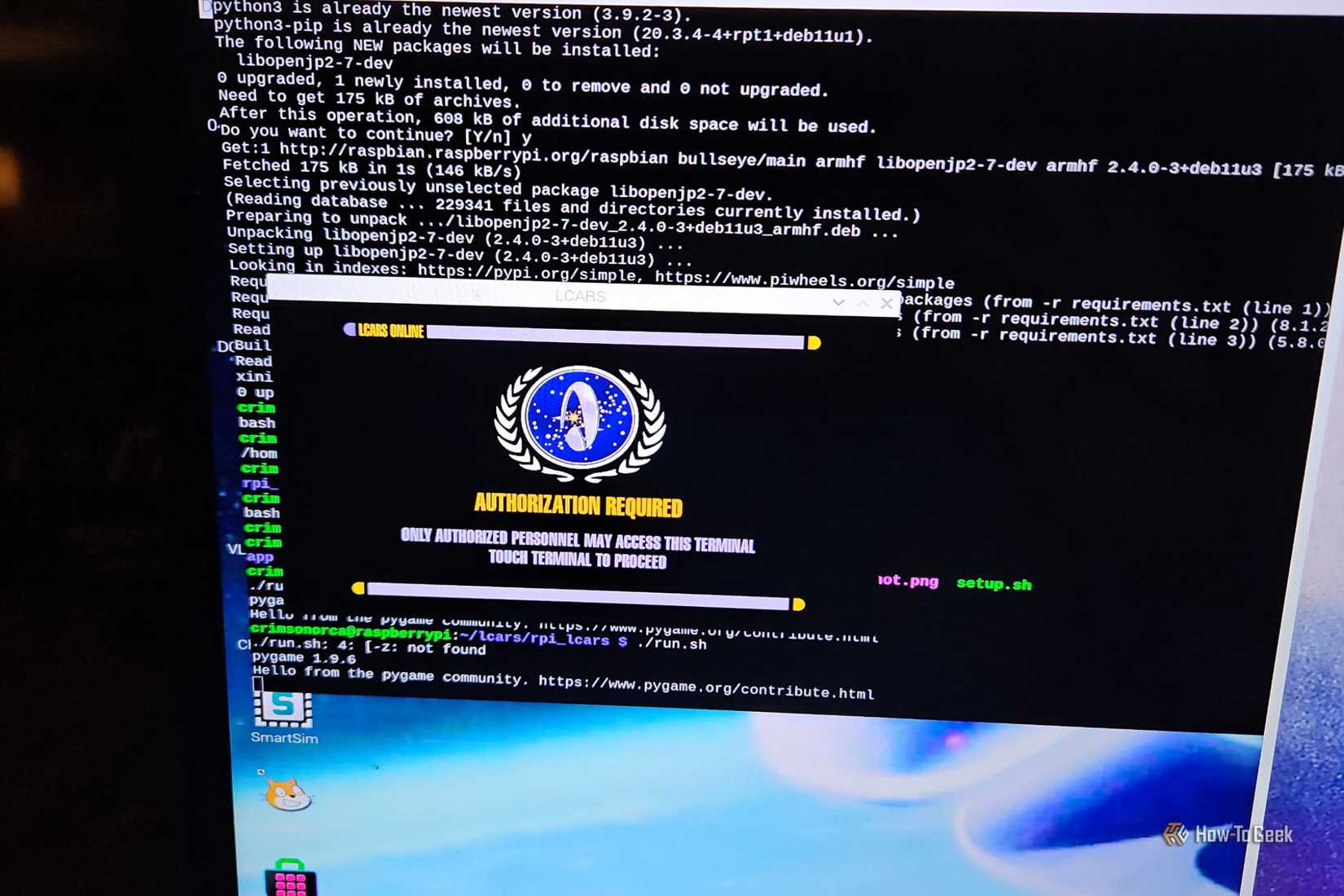
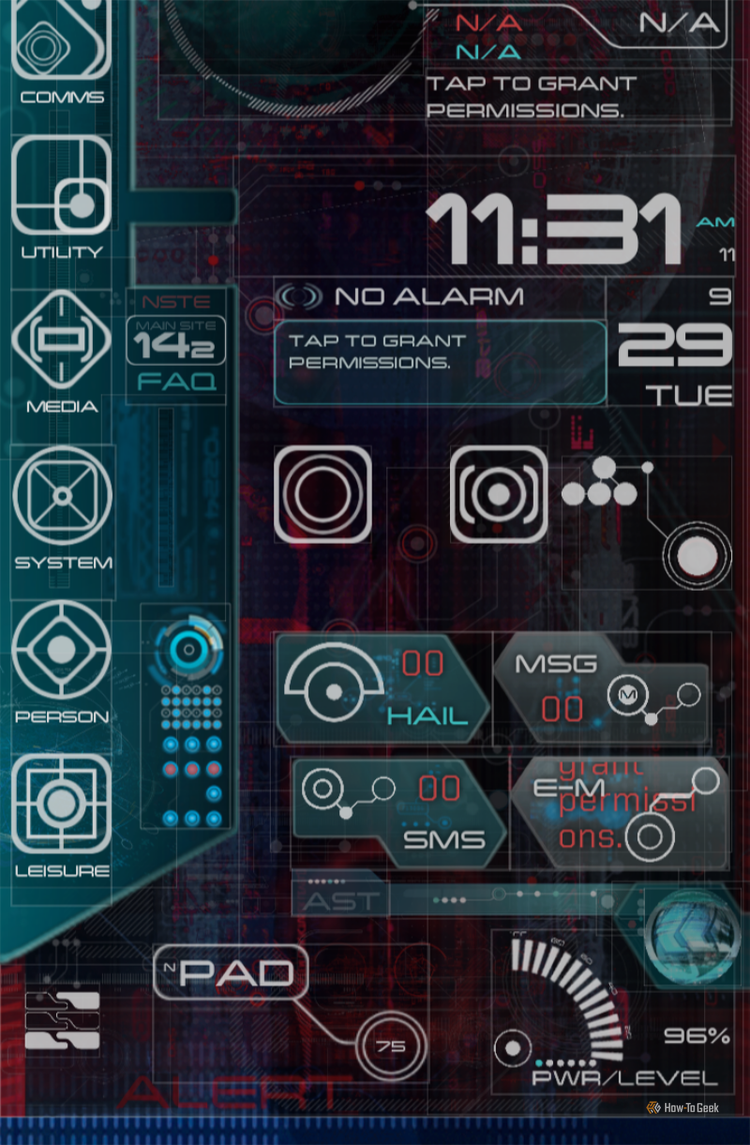
The desire to bring this aesthetic into the real world has led to a niche but dedicated community of "themers" who adapt mobile and desktop environments to mimic the Federation’s operating system. Buck’s own experimentation with these interfaces led him to explore everything from Raspberry Pi screensavers to complex mobile launchers.
"I’ve had some luck finding Android themes that simulate the style," Buck says. By using tools like Total Launcher, users can transform their tablets and smartphones into devices that look and feel like 24th-century PADDs (Personal Access Display Devices). While these themes are often highly customizable, they require a bit of technical patience to set up correctly. For a more immediate "Trek" fix on a desktop, interactive star charts built in the LCARS format offer a way to navigate the galaxy’s sectors with the same visual flair used by Captain Picard’s crew.
Replicating Props: The Intersection of 3D Printing and Fandom
Perhaps the closest technology we have to the Star Trek replicator is the 3D printer. For fans who enjoy tactile hobbies, the ability to "materialize" props from their favorite shows has revolutionized the world of cosplay and prop collecting.
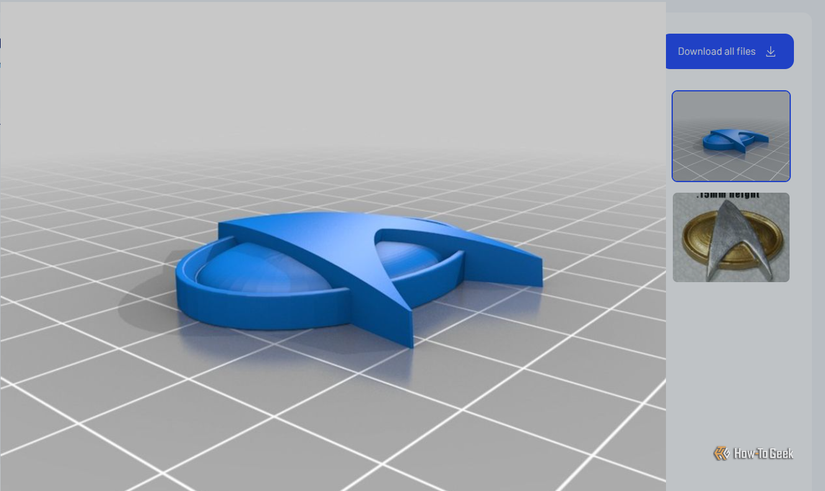
The 60th anniversary has seen a surge in interest in DIY prop making, particularly regarding the communication badge. Using repositories like Thingiverse, fans can download high-resolution files for badges ranging from the classic TNG delta to the more angular designs of the later films.
"If you’re into 3D printing, you can print and paint your own comm badge," Buck suggests. The process involves more than just hitting a button; it is a multi-stage craft that involves printing the base, sanding away layer lines, priming the plastic, and applying metallic acrylic paints to achieve a screen-accurate finish. Adding a magnetic backing allows these props to be worn on everyday clothing without damaging the fabric, bridging the gap between the fictional uniform and modern fashion. For Buck, this is just the beginning: "When I eventually get a new 3D printer, I’m going to be printing Trek minis like they’re going out of style."
Collaborative Storytelling in the Virtual Federation
While simulators and props provide a physical or visual connection to the series, the Star Trek Adventures roleplaying game (RPG) allows fans to inhabit the characters and moral dilemmas that define the franchise. Published by Modiphius, the game has seen a resurgence in 2026, with the second edition of the rules offering a streamlined way to tell stories in the final frontier.
The rise of Virtual Tabletops (VTTs) like Fantasy Grounds has made it easier than ever to run these games remotely. These platforms allow a "Game Master" to share maps, track character stats, and roll digital dice while communicating via headsets. This digital shift has removed the geographical barriers that once prevented gaming groups from meeting regularly.
For those looking to start their own journey, the barrier to entry is low. Modiphius offers free "Quickstart" guides that provide the basic rules and a pre-written adventure. "All you really need for a Tabletop RPG is some players, a story, some dice, and your imagination," Buck notes, emphasizing that the technology serves primarily as a bridge to human connection and shared storytelling.
Gamified Training and Retro Preservation
Finally, the anniversary year serves as a reminder of the franchise’s long history in the world of personal computing. During research into alternative keyboard layouts like Dvorak, Buck rediscovered Type Trek, a unique typing tutor themed after the Original Series.
This software, preserved by the Internet Archive, uses the "line-art" aesthetic of 1960s and 70s computing to teach QWERTY typing. Players engage in tactical battles with Klingon ships by typing out specific words and phrases, turning a mundane skill-building exercise into a defense of the Federation. It is a piece of software that reflects a specific era of computing—one where "Warp 2" was a respectable speed for a program to run.
For those seeking more modern thrills, digital storefronts like Good Old Games (GOG) have ensured that classic titles like Star Trek: 25th Anniversary and the fan-favorite Star Trek: Voyager – Elite Force remain playable on modern hardware. These games allow players to step into the boots of a Hazard Team member or navigate the diplomatic minefields of the 23rd century, often for the price of a cup of coffee.
As the 60th anniversary celebrations continue throughout the year, these tech-driven hobbies offer fans a way to do more than just rewatch their favorite episodes. They provide a means to engage with the philosophy of the show—a philosophy rooted in exploration, technical proficiency, and the belief that the future is something we build together. Whether through 3D printing, virtual bridge simulations, or digital roleplaying, the message for the next sixty years remains the same: "Live long and prosper."
 Tech Tutorials & How-To Guides
The Great Big-Box Battle: Evaluating the Power Tool Ecosystems of Ryobi, Craftsman, and Hyper Tough
For the modern homeowner or the burgeoning DIY enthusiast, the walk down...
 Tech Tutorials & How-To Guides
The Limits of DNS Privacy: Why Changing Your Resolver Is Not a Total Cloaking Device
In the modern era of digital surveillance and data harvesting, internet users...
 Tech Tutorials & How-To Guides
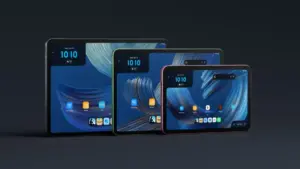
Amazon Retires Fire Tablet Brand in Favor of New Alexa Tablet Line with Google Play Support
In a sweeping transformation of its mobile hardware strategy, Amazon has announced...







