
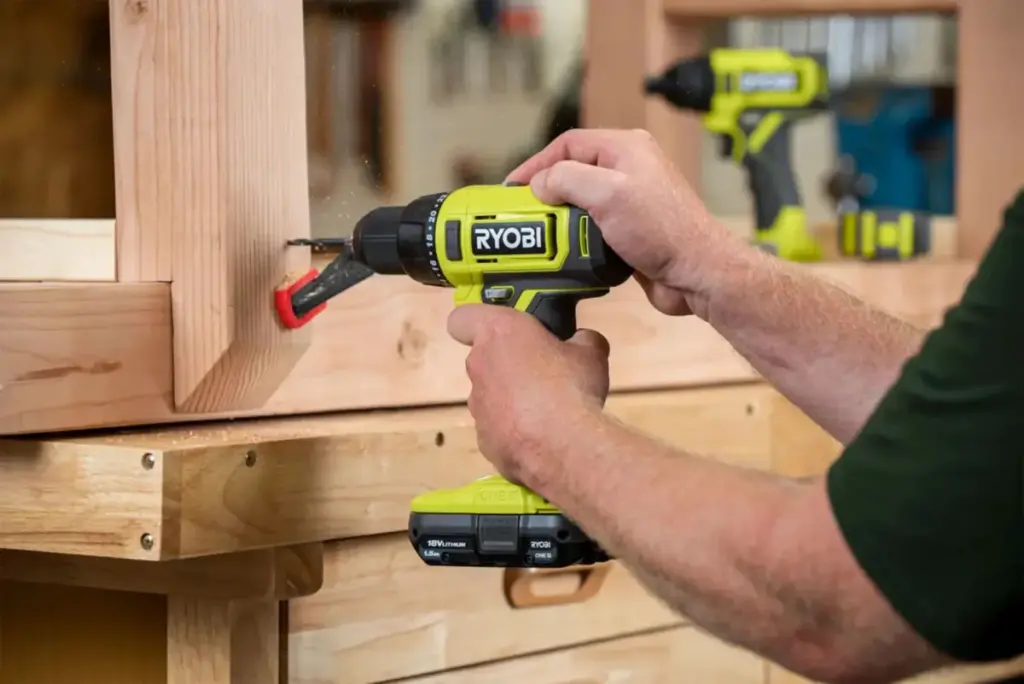
For the modern homeowner or the burgeoning DIY enthusiast, the walk down the power tool aisle of a major retailer can be a daunting experience. The shelves are stacked with various shades of neon green, bold red, and utilitarian black, each representing a different brand and, more importantly, a different ecosystem. In the current landscape of home improvement, the choice of a tool is rarely a one-off purchase; it is an entry into a battery platform that may last for decades.
Among the most prominent contenders in the consumer-grade market are Ryobi, found exclusively at Home Depot; Craftsman, the legacy brand now anchored at Lowe’s; and Hyper Tough, Walmart’s aggressively priced entry-point brand. While professional contractors often gravitate toward high-end names like Milwaukee or DeWalt, the average user is frequently left wondering how these store-exclusive brands truly compare. A closer look at the history, the breadth of the lineups, and the long-term viability of these platforms reveals a complex hierarchy based on value, variety, and retail convenience.
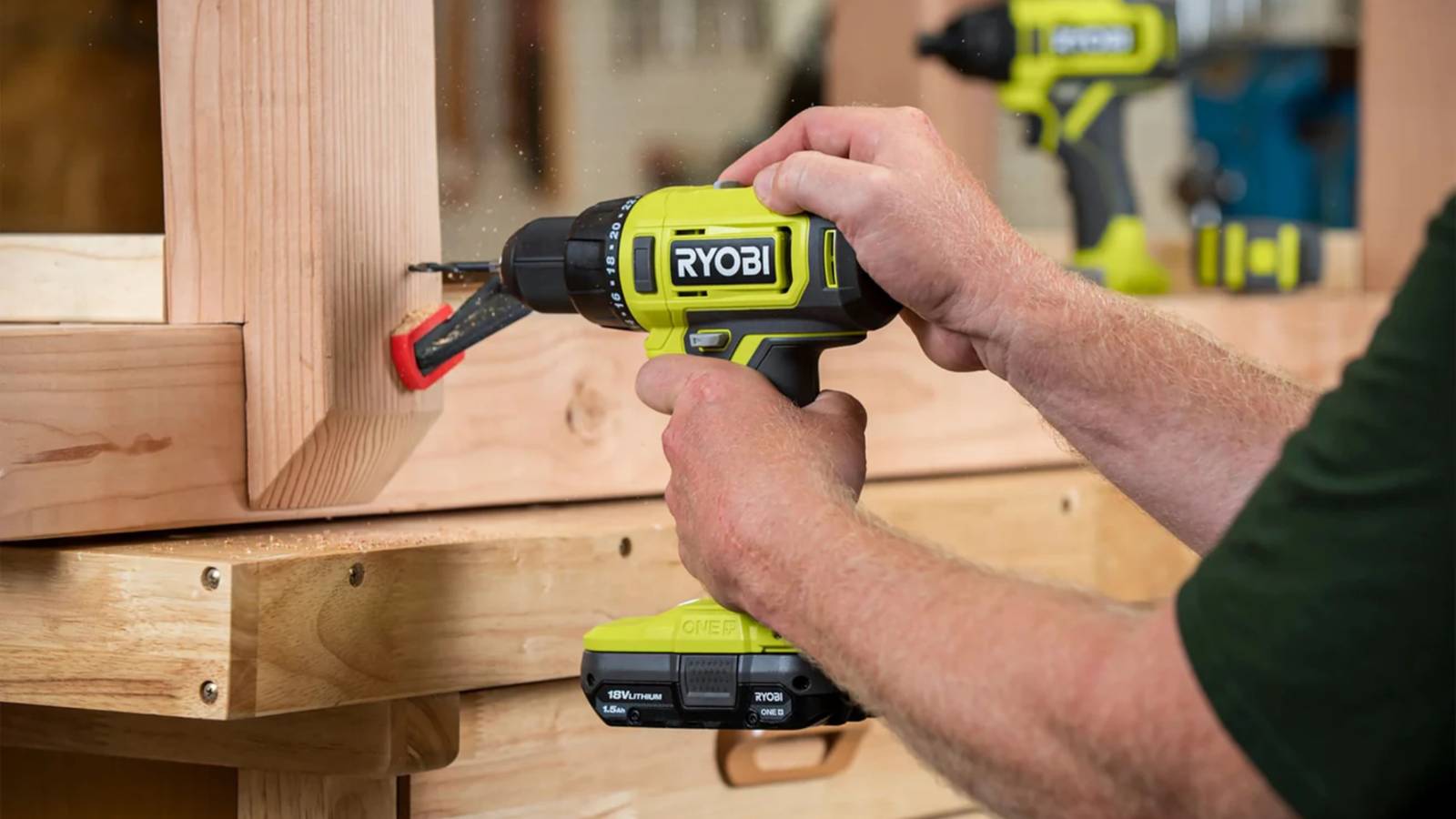
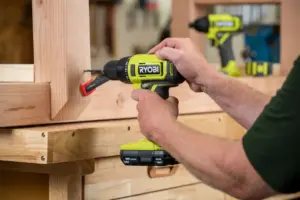
With over 300 tools on one battery, it’s hard to find something Ryobi doesn’t make
When discussing the dominance of store-brand power tools, Ryobi is almost inevitably the first name mentioned. The brand’s position in the market is not merely a result of its visibility at Home Depot, but rather a masterclass in long-term platform stability. Ryobi’s parent company, Techtronic Industries (TTI)—which also manufactures the professional-grade Milwaukee line—has maintained a remarkable level of consistency that is virtually unmatched in the industry.
The cornerstone of the Ryobi empire is the ONE+ 18V platform. Introduced in 1996, the physical design of the battery interface has remained unchanged for nearly 30 years. This means that a nickel-cadmium battery from the mid-nineties is theoretically compatible with a modern brushless drill, and more importantly, a brand-new lithium-ion battery will power a tool purchased three decades ago. This commitment to "forward and backward compatibility" has built a level of consumer trust that few other brands can claim.
Ryobi’s greatest strength, however, lies in its sheer variety. While most brands focus on the "core" tools—drills, impact drivers, and circular saws—Ryobi has expanded into nearly every niche imaginable. The lineup currently exceeds 300 products, ranging from standard construction equipment to lifestyle and outdoor tools. For the homeowner, this means the same battery that powers their drill can also power a cordless bug zapper, a pool vacuum, a chemical sprayer, or even a high-volume power inflator for car tires.

Beyond the retail shelves of Home Depot, Ryobi enthusiasts have access to a unique secondary market. Because TTI manages its own distribution, it operates a chain of outlet stores known as Direct Tools Outlet. This provides a rare opportunity for DIYers to purchase "factory blemished" or reconditioned tools at a fraction of their retail cost. It is not uncommon for savvy shoppers to find high-performance impact drivers or specialized saws for significantly less than their big-box sticker prices, a factor that further cements Ryobi’s status as the go-to brand for those looking to build a massive tool collection on a budget.
It’s been around for almost a century, and V20 is its modern battery platform
For many Americans, the name Craftsman evokes a sense of nostalgia. For nearly a hundred years, it was the flagship brand of Sears, known for its "forever" warranty and robust hand tools. However, the modern iteration of Craftsman is a different beast entirely. Following the brand’s acquisition by Stanley Black & Decker in 2017, Craftsman underwent a significant revitalization, eventually finding its new home at Lowe’s in 2018.
 Tech Tutorials & How-To Guides
Smart Solutions for Rising Utility Bills: How Specialized Tech Identifies and Reduces Residential Energy Waste
As global energy markets remain volatile and utility costs continue a steady...
 Tech Tutorials & How-To Guides
The Mechanical Resilience of the Hard Disk Drive: Utilizing Hook-and-Loop Fasteners to Combat Vibration and Extend Hardware Longevity
In an era increasingly dominated by the blistering speeds of NVMe solid-state...
 Tech Tutorials & How-To Guides
Battle of the Store Brands: How Ryobi, Craftsman, and Hyper Tough Reshape the DIY Power Tool Market
In the modern landscape of home improvement, the barrier to entry for...







