
For the modern homeowner or the burgeoning DIY enthusiast, the walk down the power tool aisle of a major retailer can be a daunting experience. The shelves are stacked with various shades of neon green, bold red, and utilitarian black, each representing a different brand and, more importantly, a different ecosystem. In the current landscape of home improvement, the choice of a tool is rarely a one-off purchase; it is an entry into a battery platform that may last for decades.
Among the most prominent contenders in the consumer-grade market are Ryobi, found exclusively at Home Depot; Craftsman, the legacy brand now anchored at Lowe’s; and Hyper Tough, Walmart’s aggressively priced entry-point brand. While professional contractors often gravitate toward high-end names like Milwaukee or DeWalt, the average user is frequently left wondering how these store-exclusive brands truly compare. A closer look at the history, the breadth of the lineups, and the long-term viability of these platforms reveals a complex hierarchy based on value, variety, and retail convenience.
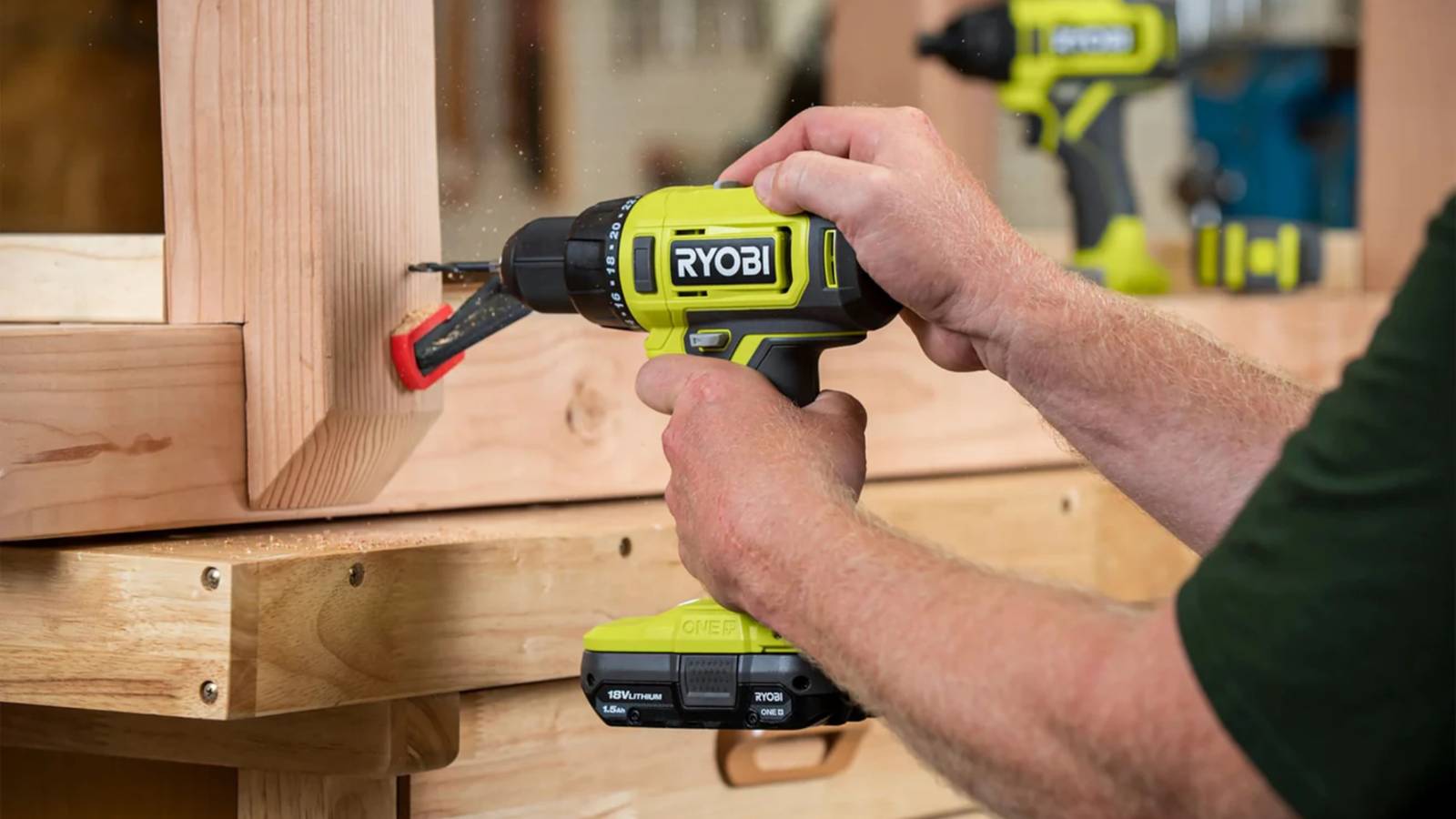
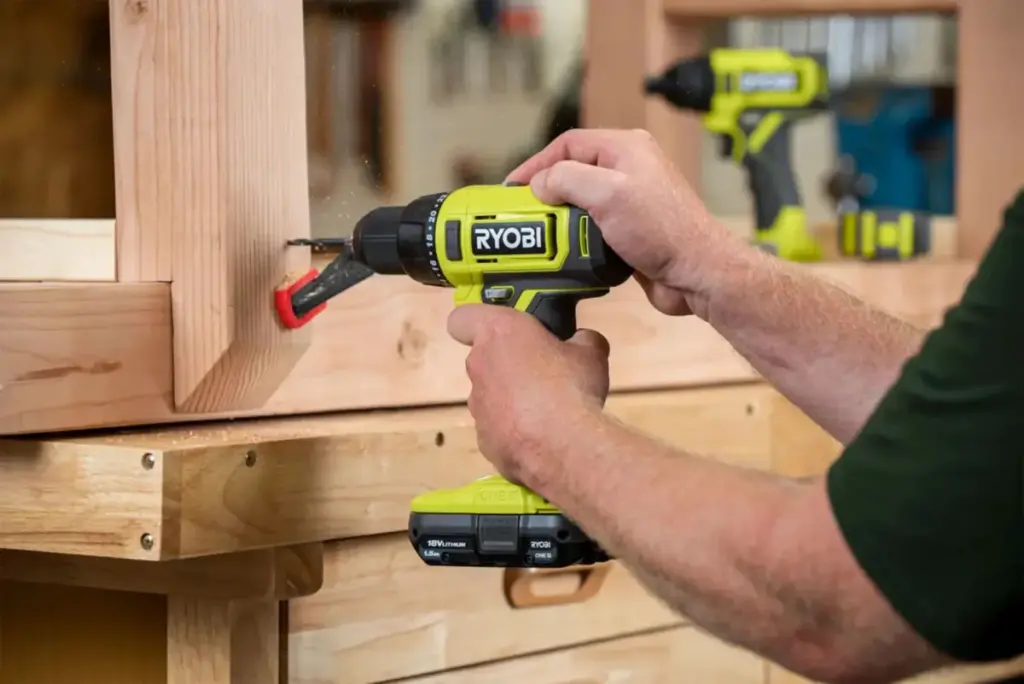
With over 300 tools on one battery, it’s hard to find something Ryobi doesn’t make
When discussing the dominance of store-brand power tools, Ryobi is almost inevitably the first name mentioned. The brand’s position in the market is not merely a result of its visibility at Home Depot, but rather a masterclass in long-term platform stability. Ryobi’s parent company, Techtronic Industries (TTI)—which also manufactures the professional-grade Milwaukee line—has maintained a remarkable level of consistency that is virtually unmatched in the industry.
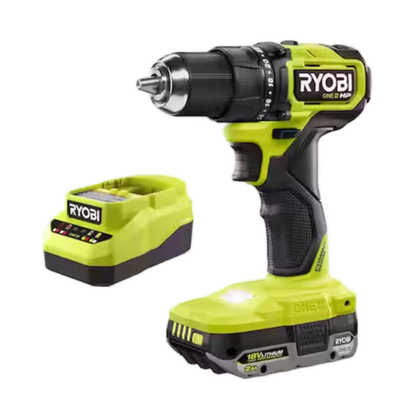
The cornerstone of the Ryobi empire is the ONE+ 18V platform. Introduced in 1996, the physical design of the battery interface has remained unchanged for nearly 30 years. This means that a nickel-cadmium battery from the mid-nineties is theoretically compatible with a modern brushless drill, and more importantly, a brand-new lithium-ion battery will power a tool purchased three decades ago. This commitment to "forward and backward compatibility" has built a level of consumer trust that few other brands can claim.
Ryobi’s greatest strength, however, lies in its sheer variety. While most brands focus on the "core" tools—drills, impact drivers, and circular saws—Ryobi has expanded into nearly every niche imaginable. The lineup currently exceeds 300 products, ranging from standard construction equipment to lifestyle and outdoor tools. For the homeowner, this means the same battery that powers their drill can also power a cordless bug zapper, a pool vacuum, a chemical sprayer, or even a high-volume power inflator for car tires.

Beyond the retail shelves of Home Depot, Ryobi enthusiasts have access to a unique secondary market. Because TTI manages its own distribution, it operates a chain of outlet stores known as Direct Tools Outlet. This provides a rare opportunity for DIYers to purchase "factory blemished" or reconditioned tools at a fraction of their retail cost. It is not uncommon for savvy shoppers to find high-performance impact drivers or specialized saws for significantly less than their big-box sticker prices, a factor that further cements Ryobi’s status as the go-to brand for those looking to build a massive tool collection on a budget.
It’s been around for almost a century, and V20 is its modern battery platform
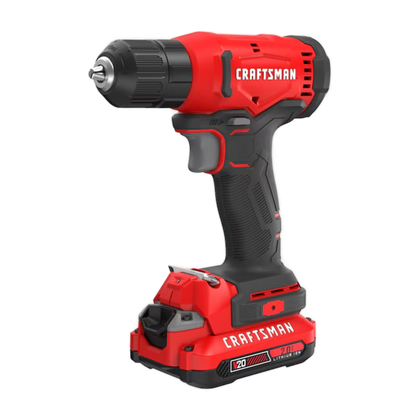
For many Americans, the name Craftsman evokes a sense of nostalgia. For nearly a hundred years, it was the flagship brand of Sears, known for its "forever" warranty and robust hand tools. However, the modern iteration of Craftsman is a different beast entirely. Following the brand’s acquisition by Stanley Black & Decker in 2017, Craftsman underwent a significant revitalization, eventually finding its new home at Lowe’s in 2018.
While Lowe’s continues to carry its own in-house brand, Kobalt, it has increasingly pivoted toward Craftsman as its primary consumer-facing powerhouse. This shift has allowed Craftsman to leverage the engineering prowess of Stanley Black & Decker, which also owns professional mainstays like DeWalt and Porter-Cable. The result is the V20 line, a modern 20V battery platform designed to compete directly with Ryobi and other mid-tier brands.
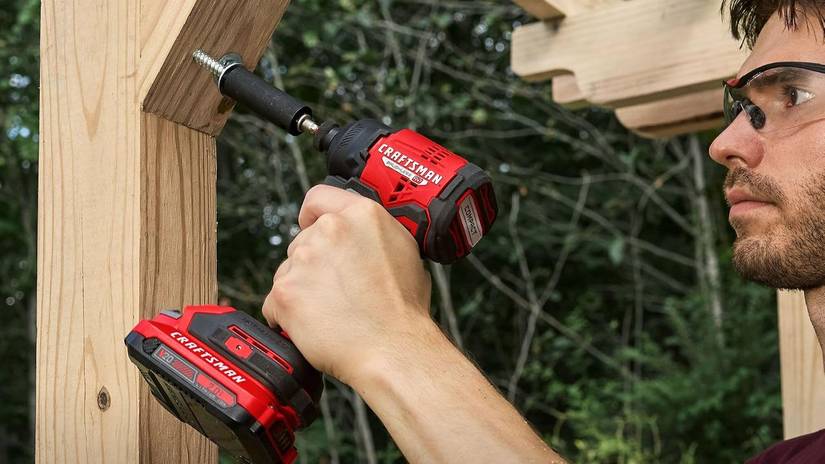
The Craftsman V20 lineup is significantly younger than Ryobi’s ONE+ system, having launched alongside the brand’s rollout at Lowe’s. Consequently, its library of tools is smaller, currently sitting at just over 100 products. While it lacks the sheer eccentricity of Ryobi’s catalog—you won’t find quite as many niche lifestyle gadgets—it covers the essential needs of any homeowner with high-quality execution. The V20 line includes everything from compact brushless drills and reciprocating saws to more heavy-duty equipment like sliding miter saws and lawnmowers.
One of the primary advantages of the Craftsman brand is its accessibility and the aggressive sales cycles at Lowe’s. The retailer frequently runs "Buy One, Get One" events or battery trade-in deals that make it easy for new users to jump into the ecosystem. Furthermore, for those who still own legacy Craftsman hand tools, Lowe’s often honors the traditional warranties, maintaining a bridge between the brand’s storied past and its cordless future. For a user who prefers the shopping experience of Lowe’s over Home Depot, the V20 platform offers a reliable, well-engineered alternative that feels more like a traditional tool brand and less like a hobbyist’s toy box.
Hyper Tough is Walmart’s budget-friendly option
It’s the cheapest way to get a cordless drill, but the lineup is a lot thinner
In the hierarchy of power tools, Hyper Tough occupies a unique space. As Walmart’s house brand, it does not aim to compete with the high-torque specifications of professional tools or even the massive variety of Ryobi. Instead, Hyper Tough is designed for the absolute budget-conscious consumer—the individual who needs a tool that works for occasional repairs without the "platform tax" associated with more established names.
Unlike Ryobi and Craftsman, whose manufacturing origins are well-documented, the specific manufacturer of Hyper Tough tools is less publicized. However, Walmart’s backing provides a significant level of retail support and a straightforward warranty process. For many, the appeal of Hyper Tough is its sheer affordability. In a market where a single battery from a premium brand can cost $100, Hyper Tough offers entire starter kits—including a 12V or 20V drill, a battery, a charger, and often a set of accessories—for under $40.
Despite its reputation as a "budget" brand, Hyper Tough has been making strides to appeal to more serious DIYers. The brand has expanded its cordless offerings to include roughly 100 tools across its 12V and 20V lines. Perhaps most surprisingly, Hyper Tough has begun introducing brushless motors into its lineup. Brushless technology, which was once reserved for high-end professional tools, offers better efficiency, less heat, and a longer lifespan than traditional brushed motors. By bringing this technology to a Walmart price point, Hyper Tough is challenging the notion that "cheap" tools must inherently be "low-tech."
For a college student moving into their first apartment, or a homeowner who only needs to hang a few pictures and assemble flat-pack furniture once a year, the value proposition of Hyper Tough is difficult to beat. It provides a functional entry point into the world of power tools without requiring a significant financial commitment.
All three brands have their own strengths and weaknesses
When comparing Ryobi, Craftsman, and Hyper Tough, the "best" brand is ultimately determined by the user’s specific needs and their proximity to a particular retailer. Each ecosystem offers a distinct trade-off between price, variety, and performance.
Ryobi remains the undisputed king of variety. With over 300 tools and a 30-year history of battery compatibility, it is the safest bet for someone who wants to "buy into" a system and never look back. The ability to find tools second-hand or at specialized outlets makes it incredibly cost-effective for those willing to hunt for deals. Its three-year warranty on both tools and batteries provides a solid safety net for the average DIYer.
Craftsman offers a middle ground, blending legacy brand recognition with modern Stanley Black & Decker engineering. While its tool count is lower than Ryobi’s, its focus on core construction and lawn care tools ensures that most users will find exactly what they need. Its presence at Lowe’s and the frequent promotional events make it a strong contender for those who find Home Depot’s "neon green" aesthetic a bit too unconventional.
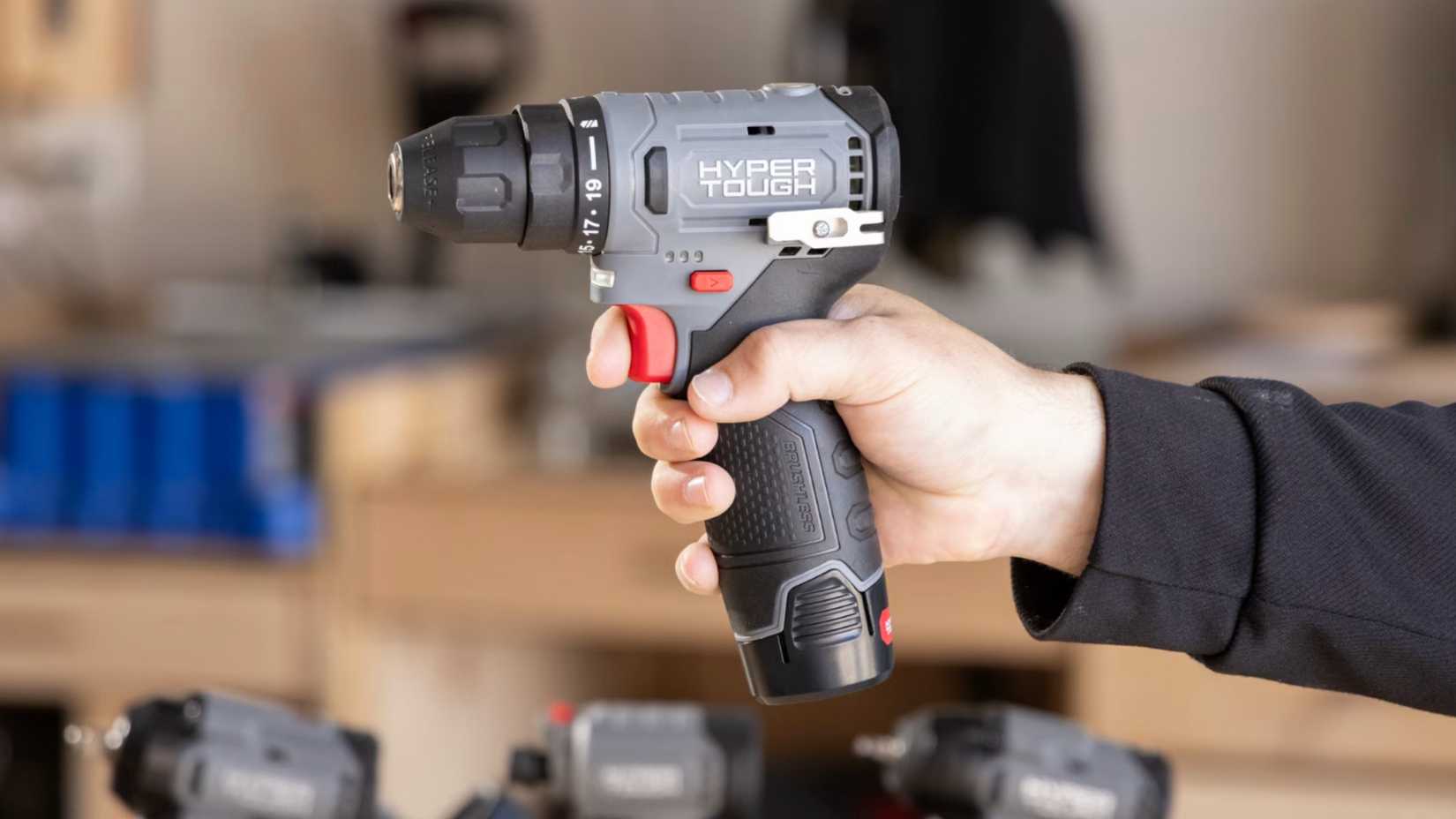
Hyper Tough serves the entry-level market with unmatched pricing. While the lineup is thinner and the brand lacks the long-term "prestige" of its competitors, it delivers functional tools for the most common household tasks. For the user who prioritizes the lowest possible price point, Hyper Tough is a legitimate contender that is increasingly offering more advanced features like brushless motors.
Ultimately, the most important realization for any consumer is that they are not just buying a tool; they are choosing a battery platform. Once a workshop is filled with chargers and batteries of a specific color, the "switching cost" to another brand becomes high. Whether it is the massive catalog of Ryobi, the revitalized reliability of Craftsman, or the extreme value of Hyper Tough, all three brands have proven that the modern store-brand tool is more than capable of handling the rigors of home ownership. The choice comes down to which retail aisle you prefer to walk down and how many different tools you plan to power with a single battery.
 Tech Tutorials & How-To Guides
The Best Documentaries and Docuseries to Stream: September 2026’s Top Picks
The landscape of streaming television continues to be heavily influenced by the...
 Tech Tutorials & How-To Guides
From Satire to Slapstick: A Curated Selection of Netflix Comedies to Cure the Workday Blues
In the modern professional landscape, the transition from a high-stress office environment...
 Tech Tutorials & How-To Guides
The Hidden Cost of DLSS: Why NVIDIA’s Software Lead No Longer Justifies the GeForce Price Premium
For over a decade, NVIDIA has cultivated a nearly impenetrable software ecosystem...







