
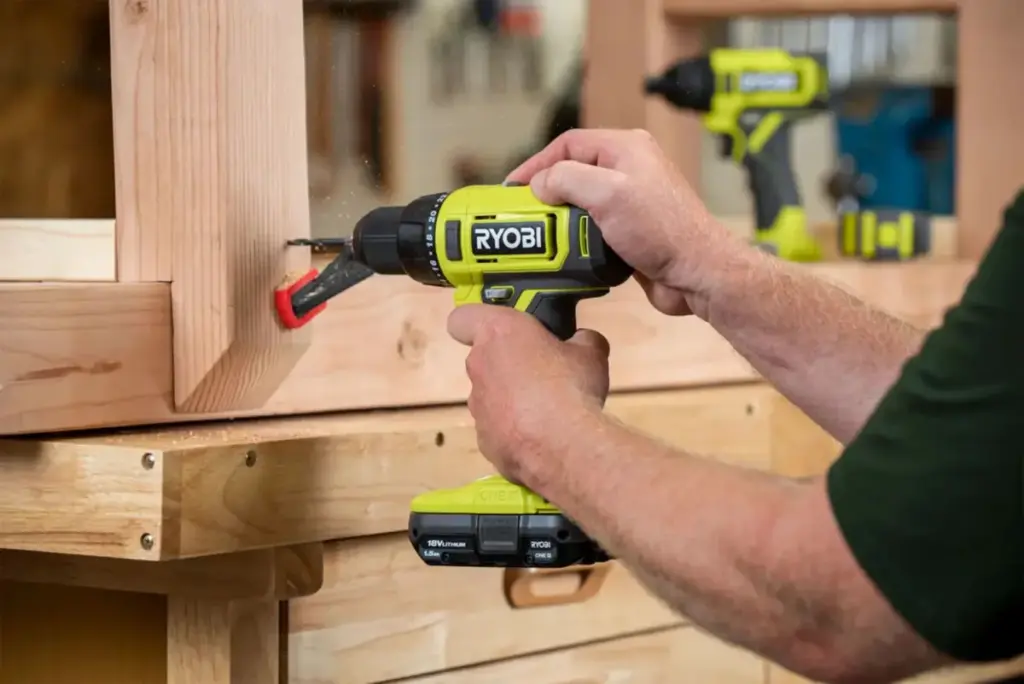
In the modern landscape of home improvement, the barrier to entry for DIY enthusiasts and hobbyists has never been lower. For decades, the power tool industry was sharply divided between high-end professional equipment and subpar, corded alternatives. However, the rise of sophisticated store-branded battery platforms has fundamentally shifted this dynamic. Today, the choice often comes down to three dominant players: Ryobi, sold primarily through Home Depot; Craftsman, the cornerstone of Lowe’s tool department; and Hyper Tough, Walmart’s aggressively priced entry-level brand.
While these brands are often grouped together as "budget" or "consumer-grade" options, they offer vastly different value propositions, histories, and technological ecosystems. For a consumer, selecting a tool is no longer a one-off purchase; it is a long-term commitment to a battery platform. Understanding the nuances between Ryobi’s massive catalog, Craftsman’s legacy branding, and Hyper Tough’s value-first approach is essential for any homeowner looking to build a reliable workshop.
The Longevity and Versatility of the Ryobi ONE+ Ecosystem
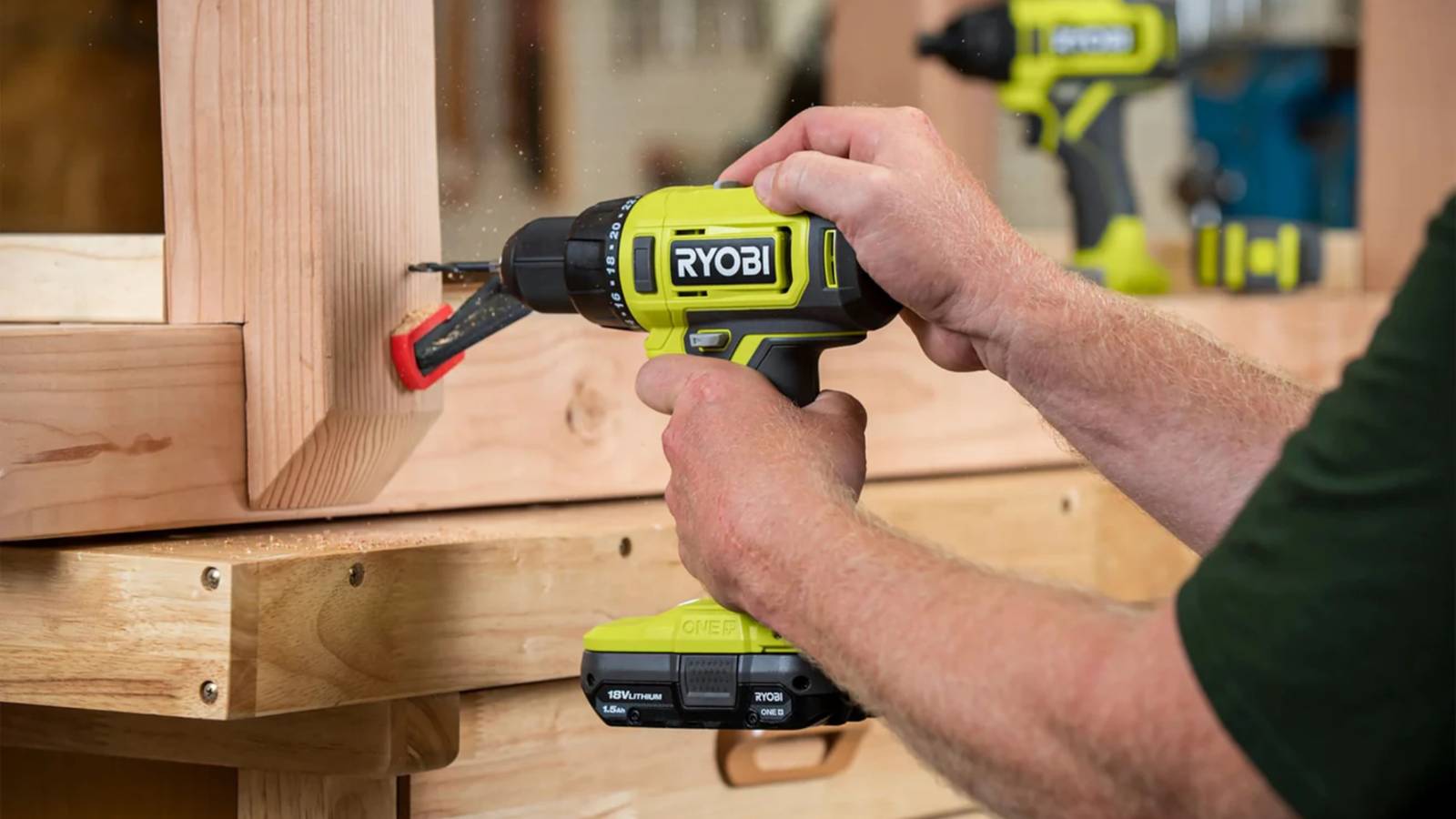
When discussing consumer-grade power tools, Ryobi is frequently the first name mentioned, and for good reason. The brand has cultivated a level of loyalty that is rare in the hardware industry, largely due to its unprecedented commitment to its battery platform. Since 1996, Ryobi has maintained the same 18V ONE+ battery interface. While other brands have forced consumers to upgrade their entire tool collections when battery technology shifted from Nickel-Cadmium (NiCad) to Lithium-ion, Ryobi’s parent company, Techtronic Industries (TTI), opted for backward compatibility.
This 30-year consistency has created a massive secondary market and instilled deep consumer confidence. If you buy a Ryobi tool today, there is a high probability that the battery will still fit a tool released a decade from now. TTI, which also manufactures professional-grade brands like Milwaukee, has leveraged its engineering expertise to expand Ryobi’s 18V ONE+ lineup to over 300 products.
The sheer variety of the Ryobi catalog is perhaps its greatest strength. Beyond the standard drills, saws, and impact drivers, Ryobi has ventured into niche "lifestyle" and "hobbyist" categories that competitors rarely touch. From cordless bug zappers and pool vacuums to high-volume power inflators and chemical sprayers, Ryobi has positioned itself as a brand that can power an entire household, not just a construction project.

Furthermore, the brand’s accessibility is bolstered by unique retail channels. Beyond the aisles of Home Depot, savvy shoppers often turn to Direct Tools Outlet. As a factory-authorized retailer owned by TTI, Direct Tools offers "factory blemished" or reconditioned Ryobi tools at significant discounts. It is not uncommon for enthusiasts to find high-performance tools, such as three-speed impact drivers, for as little as $10 during clearance events. This ecosystem of affordability and variety makes Ryobi the benchmark against which all other store brands are measured.
Craftsman’s Modern Era Under the Stanley Black & Decker Umbrella
While Ryobi dominates the aisles of Home Depot, Lowe’s has increasingly leaned into the Craftsman brand to anchor its consumer and "prosumer" offerings. The history of Craftsman is one of the most storied in American retail, originally launched by Sears nearly a century ago. Following the decline of Sears, the brand was acquired by Stanley Black & Decker in 2017, a move that revitalized the nameplate and brought it to the shelves of Lowe’s in 2018.
 Tech Tutorials & How-To Guides
The Self-Hosted Revolution: Leveraging Raspberry Pi for Professional and Personal Digital Sovereignty
In the rapidly evolving landscape of modern technology, the boundary between consumer-grade...
 Tech Tutorials & How-To Guides
Paramount+ Expands Library with Major October Update as Spooky Season Begins
As the calendar turns to October and the first chill of autumn...
 Tech Tutorials & How-To Guides
A New Titan in Entertainment: Navigating the Skydance Merger and the Future of Streaming
The landscape of global media has undergone a seismic shift as the...







