
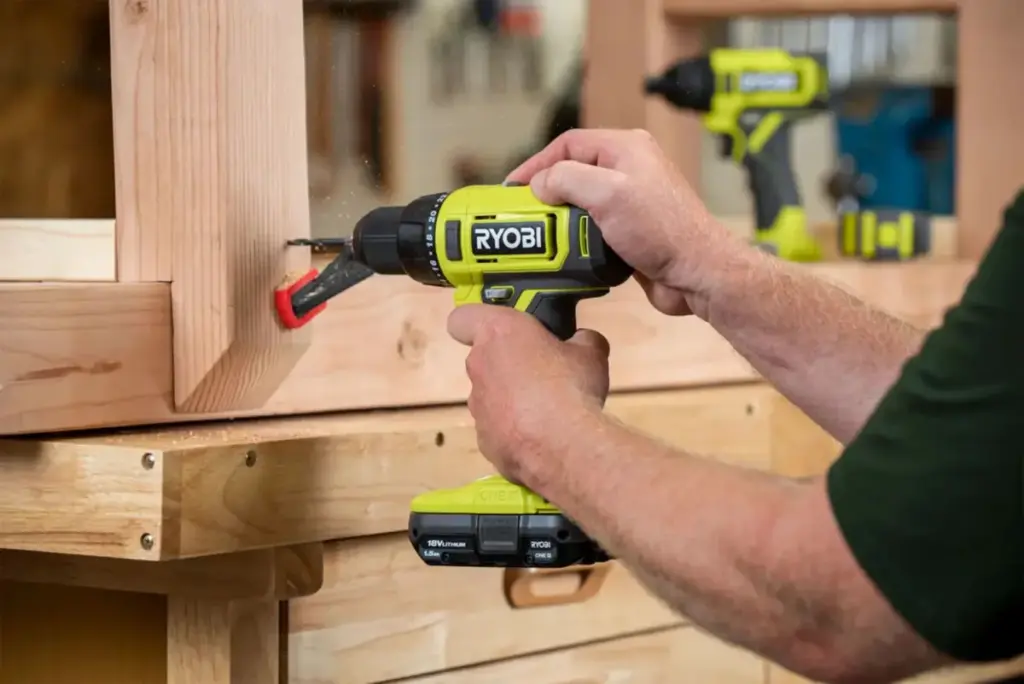
In the modern landscape of home improvement, the barrier to entry for DIY enthusiasts and hobbyists has never been lower. For decades, the power tool industry was sharply divided between high-end professional equipment and subpar, corded alternatives. However, the rise of sophisticated store-branded battery platforms has fundamentally shifted this dynamic. Today, the choice often comes down to three dominant players: Ryobi, sold primarily through Home Depot; Craftsman, the cornerstone of Lowe’s tool department; and Hyper Tough, Walmart’s aggressively priced entry-level brand.
While these brands are often grouped together as "budget" or "consumer-grade" options, they offer vastly different value propositions, histories, and technological ecosystems. For a consumer, selecting a tool is no longer a one-off purchase; it is a long-term commitment to a battery platform. Understanding the nuances between Ryobi’s massive catalog, Craftsman’s legacy branding, and Hyper Tough’s value-first approach is essential for any homeowner looking to build a reliable workshop.
The Longevity and Versatility of the Ryobi ONE+ Ecosystem
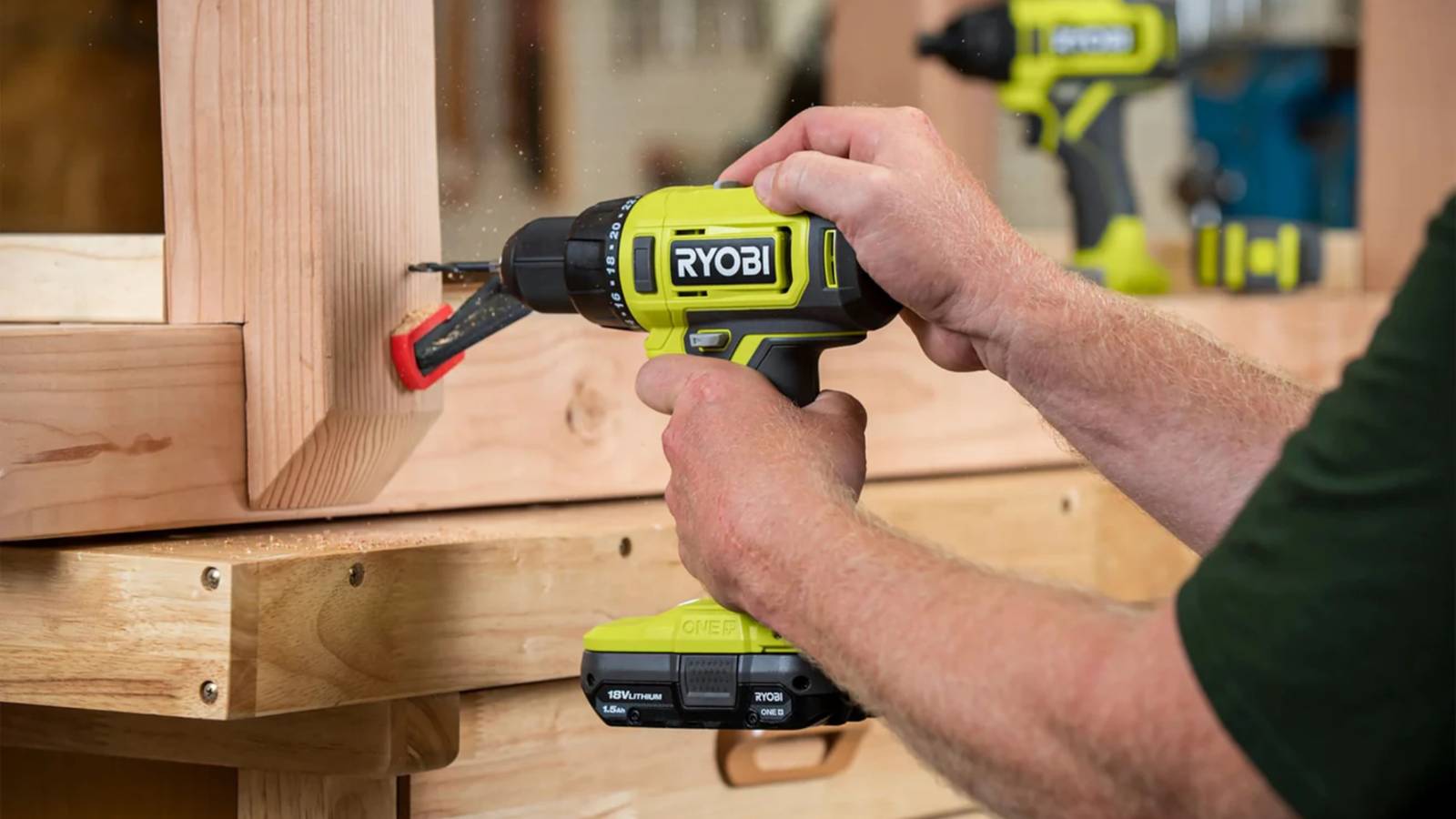
When discussing consumer-grade power tools, Ryobi is frequently the first name mentioned, and for good reason. The brand has cultivated a level of loyalty that is rare in the hardware industry, largely due to its unprecedented commitment to its battery platform. Since 1996, Ryobi has maintained the same 18V ONE+ battery interface. While other brands have forced consumers to upgrade their entire tool collections when battery technology shifted from Nickel-Cadmium (NiCad) to Lithium-ion, Ryobi’s parent company, Techtronic Industries (TTI), opted for backward compatibility.
This 30-year consistency has created a massive secondary market and instilled deep consumer confidence. If you buy a Ryobi tool today, there is a high probability that the battery will still fit a tool released a decade from now. TTI, which also manufactures professional-grade brands like Milwaukee, has leveraged its engineering expertise to expand Ryobi’s 18V ONE+ lineup to over 300 products.
The sheer variety of the Ryobi catalog is perhaps its greatest strength. Beyond the standard drills, saws, and impact drivers, Ryobi has ventured into niche "lifestyle" and "hobbyist" categories that competitors rarely touch. From cordless bug zappers and pool vacuums to high-volume power inflators and chemical sprayers, Ryobi has positioned itself as a brand that can power an entire household, not just a construction project.

Furthermore, the brand’s accessibility is bolstered by unique retail channels. Beyond the aisles of Home Depot, savvy shoppers often turn to Direct Tools Outlet. As a factory-authorized retailer owned by TTI, Direct Tools offers "factory blemished" or reconditioned Ryobi tools at significant discounts. It is not uncommon for enthusiasts to find high-performance tools, such as three-speed impact drivers, for as little as $10 during clearance events. This ecosystem of affordability and variety makes Ryobi the benchmark against which all other store brands are measured.
Craftsman’s Modern Era Under the Stanley Black & Decker Umbrella
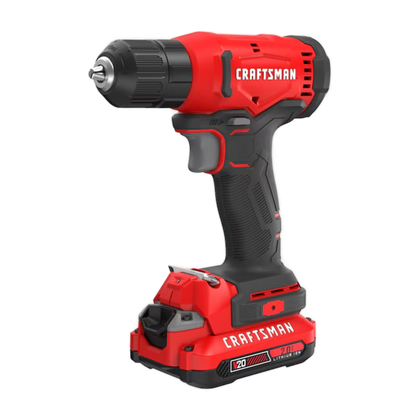
While Ryobi dominates the aisles of Home Depot, Lowe’s has increasingly leaned into the Craftsman brand to anchor its consumer and "prosumer" offerings. The history of Craftsman is one of the most storied in American retail, originally launched by Sears nearly a century ago. Following the decline of Sears, the brand was acquired by Stanley Black & Decker in 2017, a move that revitalized the nameplate and brought it to the shelves of Lowe’s in 2018.
Stanley Black & Decker, which also owns DeWalt and Porter-Cable, has positioned Craftsman as a bridge between entry-level DIY tools and professional equipment. The current Craftsman V20 line was launched alongside the Lowe’s rollout, making it a much younger platform than Ryobi’s ONE+ system. While it cannot yet match Ryobi’s 300-tool count, the V20 lineup has rapidly expanded to over 100 products, focusing heavily on the "core" tools required for home renovation and automotive work.
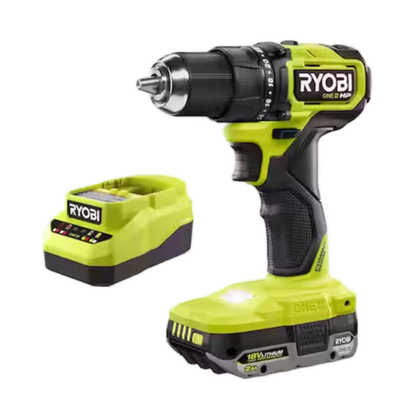
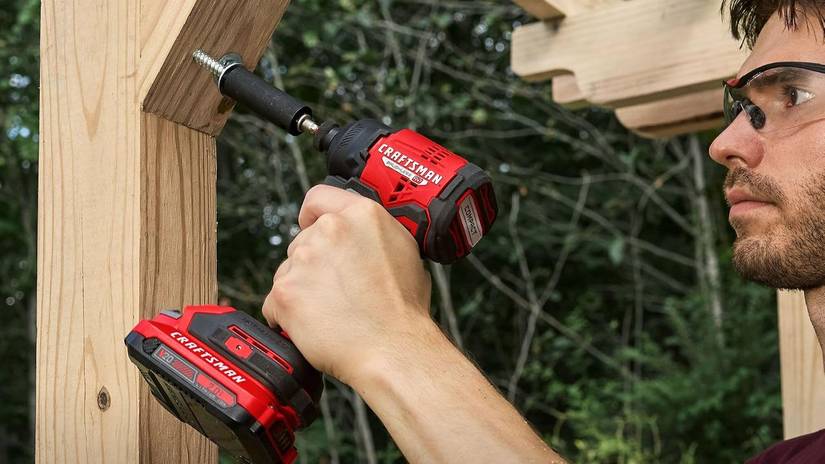
The Craftsman V20 ecosystem is characterized by a clean, modern design and a focus on ergonomics. The lineup includes a robust selection of brushless motors, which offer higher efficiency and longer life spans than traditional brushed motors. For those tackling more intensive projects, Craftsman offers specialized equipment like sliding miter saws and high-torque reciprocating saws that rival the performance of more expensive brands.
One of the significant advantages of the Craftsman brand at Lowe’s is the retailer’s aggressive promotional strategy. Lowe’s frequently hosts "Buy One, Get One" events or battery trade-in programs that allow users to enter the V20 ecosystem at a very low cost. Additionally, Lowe’s continues to honor many of the traditional warranties associated with the Craftsman name, providing a sense of security for long-time fans of the brand. For consumers who prefer the shopping experience at Lowe’s over Home Depot, Craftsman represents a highly capable and reliable alternative.
Hyper Tough is Walmart’s budget-friendly option
The Economy of Scale: Hyper Tough’s Entry into the Cordless Market
For many years, Walmart’s Hyper Tough brand was primarily known for hand tools, bits, and basic corded equipment. However, in recent years, Walmart has made a concerted effort to compete in the cordless power tool market. Hyper Tough has emerged as the most budget-friendly option for homeowners who need a tool for occasional repairs rather than daily projects.
The manufacturing origins of Hyper Tough are less transparent than those of Ryobi or Craftsman. While we know Ryobi is a TTI brand and Craftsman belongs to Stanley Black & Decker, Hyper Tough is a proprietary Walmart brand. Despite the mystery regarding its factory of origin, Walmart stands firmly behind the products, offering warranties and customer support that have helped the brand gain traction among price-sensitive shoppers.
Hyper Tough’s strategy is built on extreme affordability. For the price of a single bare tool from a premium brand, consumers can often purchase an entire Hyper Tough kit, including a battery, charger, and a set of accessories. For example, a 12V project kit—complete with a drill and a 50-piece accessory set—often retails for under $40. Even stepping up to the 20V Max line remains remarkably inexpensive, with brushless drills frequently priced under $39.
The Hyper Tough lineup has grown to include approximately 100 tools across its 12V and 20V platforms. While the selection is thinner than that of its competitors, it covers the essential needs of most households: drills, impact drivers, sanders, and leaf blowers. Notably, the brand has begun introducing brushless technology into its higher-end 20V tools. This is a significant development for a budget brand, as brushless motors provide better power delivery and durability, suggesting that Walmart is looking to move the brand beyond just "disposable" tools and into the realm of legitimate DIY utility.
Assessing Strengths, Weaknesses, and the Reality of Battery Platforms
When comparing Ryobi, Craftsman, and Hyper Tough, the "best" brand is often determined by the specific needs of the user and their proximity to a particular retailer. Each brand has distinct advantages and trade-offs that become apparent once a user begins to build a collection.
Ryobi’s primary strength is its sheer volume. With over 300 tools, it is the only brand in this category that can truly claim to have a tool for every possible scenario. Its 30-year battery consistency is a feat of engineering and marketing that remains unmatched in the industry. However, the sheer size of the ONE+ ecosystem can be overwhelming, and the quality can vary between their entry-level brushed tools and their premium "HP" (High Performance) brushless line.
Craftsman offers a middle ground, providing a sense of heritage backed by the modern manufacturing power of Stanley Black & Decker. While its tool count is lower than Ryobi’s, its focus on "core" construction tools and its presence at Lowe’s make it a convenient and high-quality choice for those who find Ryobi’s neon-green aesthetic or massive catalog unnecessary.
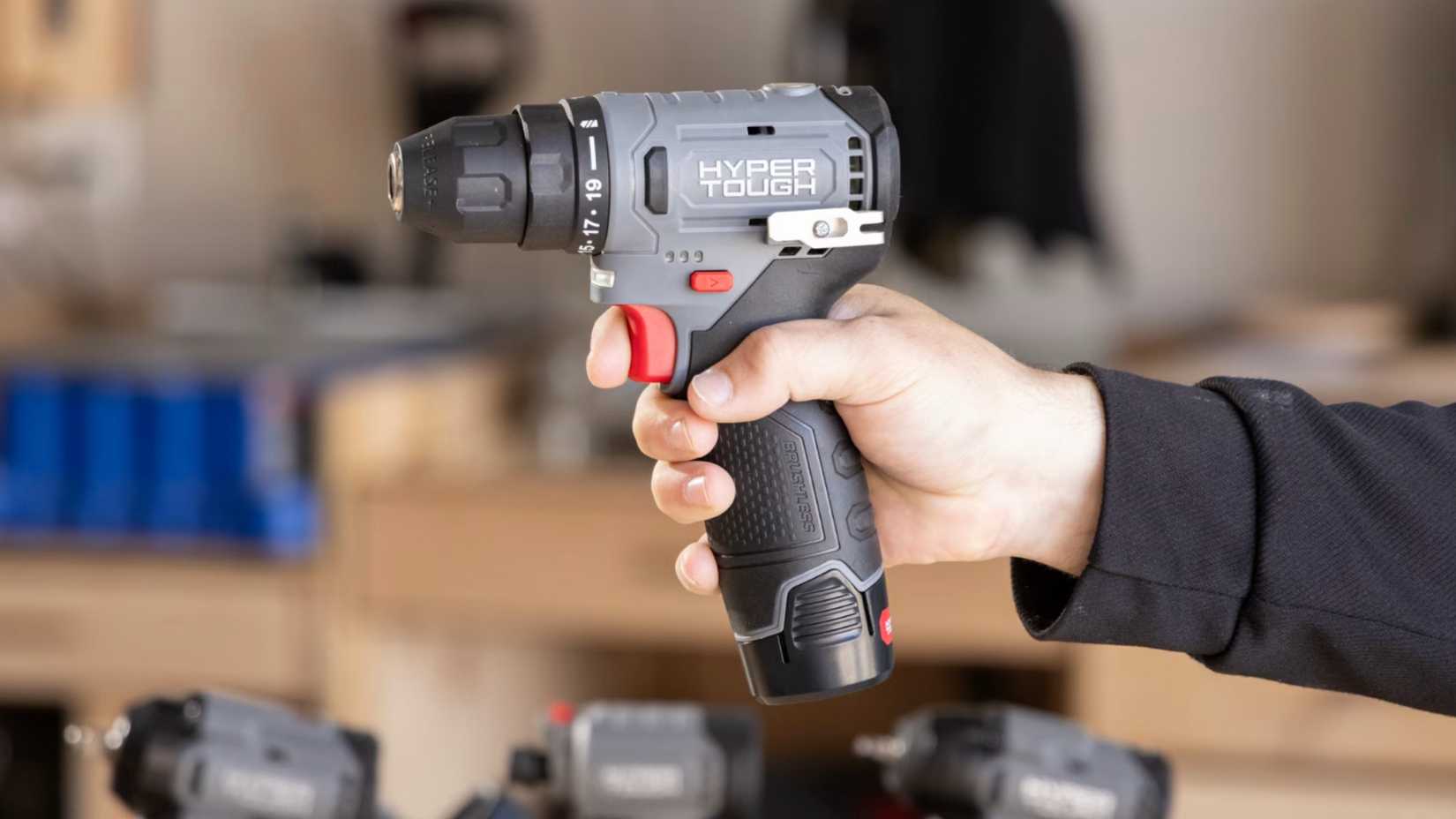
Hyper Tough remains the undisputed king of value. It is the ideal choice for the "accidental" DIYer—someone who needs to hang a gallery wall or assemble furniture twice a year. While it may lack the depth of specialty tools found in the other two brands, its 20V Max platform is proving to be a capable entry point for those on a strict budget.
Ultimately, the most critical factor in this decision is the realization that you are not just buying a tool; you are choosing a battery platform. Because batteries and chargers are often the most expensive components of a cordless system, once you own two or three tools from one brand, the "switching cost" to move to a competitor becomes prohibitively high.
Consumers must consider which retailer they visit most often and which ecosystem offers the specific tools they might need in the future. Whether it is the vast expanses of the Ryobi ONE+ system, the revitalized legacy of Craftsman V20, or the extreme value of Walmart’s Hyper Tough, all three brands have proven that high-quality cordless power is no longer reserved for the professional job site. For the modern homeowner, the power to build, repair, and create is more accessible than ever before.
 Tech Tutorials & How-To Guides
Asustor Lockerstor 2 Gen2+ NAS Review: A High-Security Storage Solution for Power Users and Small Businesses
In the rapidly evolving landscape of network-attached storage (NAS), the market is...
 Tech Tutorials & How-To Guides
The Hidden Hazards of Pausing 3D Prints: Why Glitter and Sand Can Devastate Your Hardware
The ability to pause a 3D print mid-operation has long been celebrated...
 Tech Tutorials & How-To Guides
To Boldly Go From Your Desktop: Celebrating 60 Years of Star Trek Through Modern Tech Hobbies
As the calendar turns to late 2026, the global science fiction community...







