
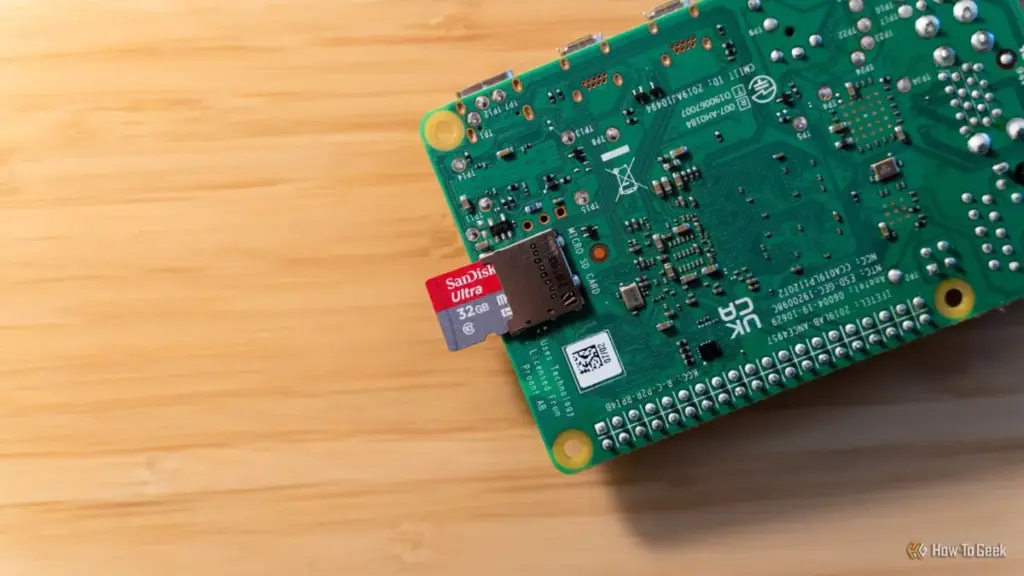
In the rapidly evolving landscape of modern technology, the boundary between consumer-grade hardware and professional-grade infrastructure has become increasingly blurred. At the heart of this shift is the Raspberry Pi, a credit-card-sized computer that has transcended its origins as an educational tool to become a cornerstone of the global "homelab" movement. For tech enthusiasts and small business owners alike, the weekend often represents an opportunity to reclaim digital independence from expensive, cloud-dependent subscription models.
Patrick Campanale, a tech industry veteran with over a decade of experience spanning the Palm/webOS era to high-end custom PC manufacturing, has long advocated for the utility of these low-power devices. With a background that includes extensive work in YouTube production, overclocking, and media direction for local community organizations, Campanale emphasizes that the Raspberry Pi is not merely a hobbyist’s toy but a robust engine for productivity. As the digital world leans more heavily into algorithmic feeds and recurring monthly fees, the push toward self-hosting—running one’s own services on local hardware—has moved from a niche interest to a practical necessity for those seeking data privacy and cost efficiency.
This weekend’s focus highlights three distinct projects that demonstrate the versatility of the Raspberry Pi: streamlining administrative workflows with DocuSeal, securing personal information with Trilium Notes, and curating information through Miniflux. These projects represent a broader trend in the technology sector where users are choosing "sovereign" software—tools that the user owns, controls, and maintains without third-party interference.
Digital Document Management: DocuSeal as a Formidable Alternative to Enterprise SaaS
For many organizations, from small creative agencies to local non-profit groups, the process of obtaining signatures on legal documents is a persistent friction point. In the professional world, DocuSign has long been the industry standard, offering a seamless way to fill out and sign PDFs without the need for physical printing or scanning. However, the convenience of such enterprise-level Software as a Service (SaaS) platforms often comes with a significant financial burden, particularly for entities that require frequent document processing but lack the budget for high-tier subscriptions.

The emergence of DocuSeal provides a powerful, open-source solution to this problem. Campanale, who utilized the platform during his tenure as a youth pastor to manage parental permission waivers, notes that the shift to a self-hosted signing platform solves two problems simultaneously: it eliminates the risk of lost paperwork and removes the recurring costs associated with commercial platforms. In a creative or small business context, this translates to more efficient handling of invoices, project scopes, and liability forms.
Deploying DocuSeal on a Raspberry Pi is made possible through Docker, a containerization technology that allows complex software to run in isolated environments with minimal configuration. By hosting the service locally, the user retains total control over the sensitive data contained within the documents. Instead of uploading a client’s personal information or a project’s financial details to a third-party cloud, the data stays within the user’s own network. The workflow remains modern and professional: a PDF is uploaded to the local server, signature and date fields are added via a web interface, and a secure link is sent to the recipient. The recipient can sign the document on any device, including a smartphone, without ever knowing the service is being powered by a small computer in a home office.
 Tech Tutorials & How-To Guides
From E-Waste to New Passions: How Repurposed Technology is Fueling a New Era of Accessible Geek Hobbies
For many technology enthusiasts, the "junk drawer" is a common household fixture—a...
 Tech Tutorials & How-To Guides
Amazon Retires Fire Tablet Brand in Favor of New Alexa Tablet Line with Google Play Support
In a sweeping transformation of its mobile hardware strategy, Amazon has announced...
 Tech Tutorials & How-To Guides
Battle of the Store Brands: How Ryobi, Craftsman, and Hyper Tough Reshape the DIY Power Tool Market
In the modern landscape of home improvement, the barrier to entry for...







